
How Does a Self-Heating Stackable LiFePO4 Battery Module Improve Cold-Weather Energy Storage?
Low temperatures can create a particular challenge for lithium battery energy storage systems. LiFePO4 batteries can generally operate in cold environments, but charging at temperatures below the manufacturer's permitted range can require protection or heating because low-temperature charging may negatively affect cell performance and service life. Self-heating battery technology addresses this issue by incorporating a heating function into the battery system, allowing the cells to reach an appropriate temperature before normal charging begins.
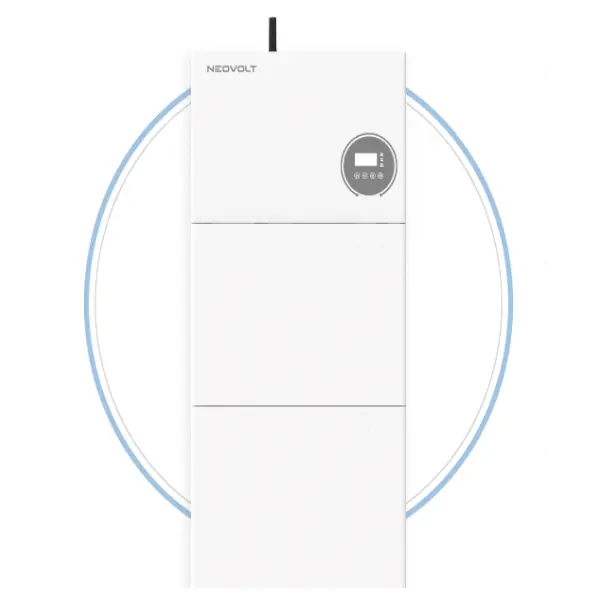
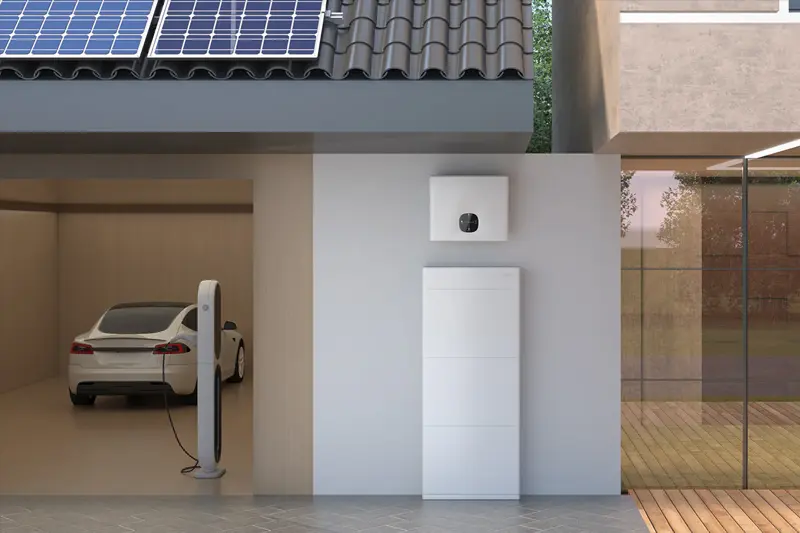
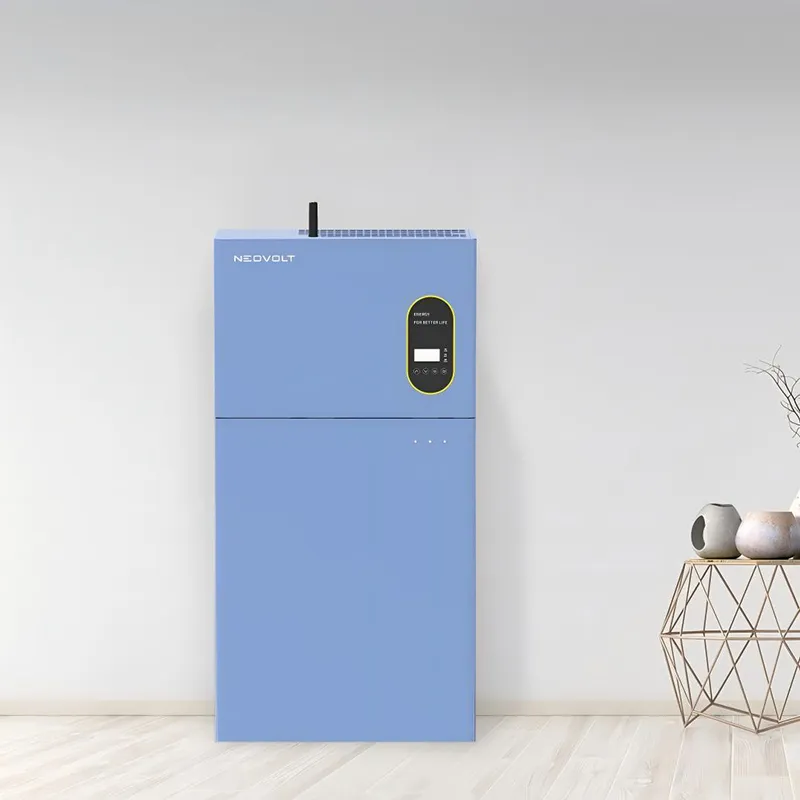
A Self-Heating Stackable LiFePO4 Battery Module combines this cold-weather function with a modular battery architecture. Instead of designing an energy storage system around one large battery unit, multiple modules can be configured according to the required energy capacity and installation conditions. Sinoah Energy provides battery energy storage solutions for applications where flexible capacity and reliable operation in changing environmental conditions are important considerations.
Why Does Low Temperature Affect LiFePO4 Battery Charging?
Charging and Discharging Have Different Temperature Requirements
One important consideration in cold-weather battery applications is that charging and discharging do not necessarily have the same allowable temperature range. A battery may continue to provide power in low-temperature conditions while charging may need to be restricted until the cells reach a suitable temperature.
For this reason, battery management systems commonly monitor cell temperature and can prevent charging when the battery is outside the permitted charging range. Self-heating designs add another layer by using available charging power to warm the cells before normal charging resumes.
Why Conventional LiFePO4 Batteries May Need Low-Temperature Protection
Standard LiFePO4 batteries without a dedicated heating function generally rely on low-temperature charging protection. If the cell temperature falls below the specified charging threshold, the BMS can interrupt the charging process.
For installations in cold climates, this can result in longer charging periods or reduced availability after the battery has been exposed to low temperatures. A self-heating configuration is designed to address this operating condition by warming the battery before charging continues.
How Does a Self-Heating Battery Module Work?
Temperature Monitoring by the BMS
The Battery Management System monitors important operating conditions such as cell temperature, voltage, and current. When the battery temperature is too low for normal charging, the BMS can control the heating function instead of immediately allowing the battery cells to accept charging current.
The exact heating activation and recovery thresholds vary by battery design. Some self-heating LiFePO4 systems, for example, activate heating below a defined temperature and resume charging after the cells reach a higher safe temperature.
Heating Before Normal Charging
During the heating stage, the available input power can be directed to the internal heating element rather than directly charging the battery cells. Once the required cell temperature is reached, the BMS can allow normal charging to resume.
This process reduces the need for users to manually warm the battery before charging in cold conditions and makes the energy storage system easier to operate in winter environments.
Where Can Self-Heating LiFePO4 Battery Modules Be Used?
Cold-Climate Solar Energy Storage
Solar energy storage systems installed in northern regions can experience significant temperature changes between seasons and between day and night. During winter, low battery temperatures may affect charging availability, particularly when solar generation becomes available after a cold night.
A self-heating battery module can help address this situation by managing the battery temperature before charging. This makes the technology relevant to off-grid solar systems, residential energy storage, and other renewable energy installations located in cold climates.
Remote and Off-Grid Power Systems
Remote cabins, telecommunications sites, monitoring equipment, and other off-grid installations may not have convenient access to external heating equipment. A battery with an integrated heating function can reduce the need for separate battery warming systems.
For remote installations, the BMS, heating system, inverter compatibility, and overall system control should be evaluated together before deployment.
Outdoor and Mobile Energy Applications
Outdoor equipment can experience rapid changes in ambient temperature. Applications such as mobile power systems, recreational vehicles, marine equipment, and outdoor workstations may require battery operation in environments where conventional indoor energy storage conditions cannot be maintained.
Self-heating functionality can be particularly useful when battery charging needs to remain available despite low ambient temperatures.
What Are the Benefits of a Stackable Battery Architecture?
Flexible Energy Capacity
Stackable battery modules allow system designers to build an energy storage system by combining multiple units. This approach can make it easier to adjust total capacity according to the project's energy demand rather than selecting a single fixed-capacity battery.
For residential and small commercial energy storage projects, modular expansion can also simplify future capacity planning when electricity consumption increases.
More Flexible Installation Planning
Individual modules can provide greater flexibility when transporting and positioning the battery system. Instead of handling one very large battery enclosure, installers can work with modular units according to the system's mechanical and electrical configuration.
Scalable System Design
A modular system can support different capacity configurations when the battery manufacturer specifies compatible series or parallel connections. However, the maximum number of modules, communication requirements, balancing strategy, and inverter compatibility must always follow the manufacturer's technical documentation.
What Should Buyers Check for Cold-Weather Projects?
| Evaluation Item | Why It Matters |
|---|---|
| Self-Heating Function | Determines how the battery manages low-temperature charging |
| Heating Activation Temperature | Defines when the heating function starts |
| Charging Temperature Range | Important for determining actual cold-weather charging capability |
| Discharging Temperature Range | Shows whether the battery can supply power under the expected outdoor conditions |
| BMS Protection | Helps manage temperature, voltage, current, and other operating conditions |
| Stacking Configuration | Determines how multiple modules can be combined |
| Inverter Compatibility | Ensures communication and electrical parameters match the energy storage system |
| Installation Environment | Determines enclosure, ventilation, humidity, and temperature requirements |
| Certification | Should match the requirements of the target market and application |
How Should Self-Heating Battery Systems Be Installed?
Allow Sufficient Installation Space
The battery installation area should provide sufficient space for electrical connections, inspection, maintenance, and heat management. Stacked modules should be installed according to the manufacturer's specified configuration rather than creating an unsupported arrangement.
Check the Inverter and Charger
The inverter or charger must be compatible with the battery's voltage range, charging requirements, communication protocol, and maximum current. A self-heating function does not eliminate the need for correct charger configuration.
Follow the Battery Management System Requirements
The BMS is an important part of the complete battery system. Installers should follow the manufacturer's instructions for communication wiring, module addressing, connection sequence, and system commissioning.
Before commissioning a cold-climate energy storage system, installers should verify the actual battery temperature, charging status, module communication, and protection functions.
How Is Self-Heating Different from External Battery Heating?
| Consideration | Integrated Self-Heating | External Heating |
|---|---|---|
| Heating Equipment | Built into the battery system | Installed separately |
| Temperature Control | Can be managed by the battery's BMS | Requires separate control arrangements |
| Installation | Part of the battery configuration | Requires additional installation |
| System Integration | Heating and battery protection can work together | Depends on external system design |
| Cold-Weather Application | Designed specifically to support low-temperature charging | Depends on heater capacity and control strategy |
The best approach depends on the installation environment and system architecture. For new energy storage projects, an integrated self-heating battery can simplify system design where low-temperature charging is a recurring requirement.
What Maintenance Points Should Operators Consider?
Monitor Battery Temperature
Temperature monitoring is important in cold-weather installations. Operators should pay attention to abnormal temperature readings, repeated heating cycles, or unexpected charging interruptions.
Inspect Electrical Connections
Battery terminals, power cables, communication connections, and module interfaces should be checked according to the manufacturer's maintenance schedule. Loose or damaged connections can affect system performance and safety.
Review System Alarms
If the BMS reports temperature, voltage, current, or communication alarms, operators should identify the cause before continuing normal operation. Repeated protection events should not simply be reset without checking the underlying operating condition.
How Can Sinoah Energy Support Modular Energy Storage Projects?
Focus on Modular Battery Solutions
Sinoah Energy develops LiFePO4 battery solutions for energy storage applications where modular capacity and system flexibility are important. The stackable architecture provides a practical approach for projects that may require different energy capacities.
Cold-Weather Application Considerations
For projects located in cold climates, the battery should be evaluated according to the actual ambient temperature, charging profile, installation location, and inverter configuration. A Self-Heating Stackable LiFePO4 Battery Module can be considered when low-temperature charging is an important system requirement.
Support for Different Energy Storage Requirements
Residential, commercial, off-grid, and renewable energy projects can have different requirements for capacity, installation, communication, and environmental conditions. Selecting the battery configuration according to the complete system architecture helps improve compatibility and long-term operation.
Conclusion
A Self-Heating Stackable LiFePO4 Battery Module combines low-temperature heating functionality with a modular energy storage structure. By monitoring cell temperature and managing the heating process through the BMS, this type of battery can help address the charging limitations associated with cold environments. Similar self-heating LiFePO4 systems use automatic temperature monitoring and heating before normal charging resumes.
For buyers planning energy storage projects in cold climates, important considerations include the self-heating temperature range, charging and discharging limits, BMS protection, module configuration, inverter compatibility, installation environment, and applicable certifications.
With modular LiFePO4 battery technology and application-oriented energy storage solutions, Sinoah Energy supports customers evaluating battery systems for residential, commercial, renewable energy, and cold-weather applications.
Related News
- What Is a 10kW Single Phase Hybrid Inverter and How Does It Support Modern Energy Systems?
- Why Modular Home Battery Storage Is Becoming More Important for Solar Energy Systems
- Why Stackable LiFePO4 Battery Modules Are Gaining Attention in Energy Storage
- How to Choose a Residential Energy Storage System
- What are the application scenarios for single-phase hybrid inverters?
- Advantages of Single-Phase Hybrid Inverters
Leave me a message