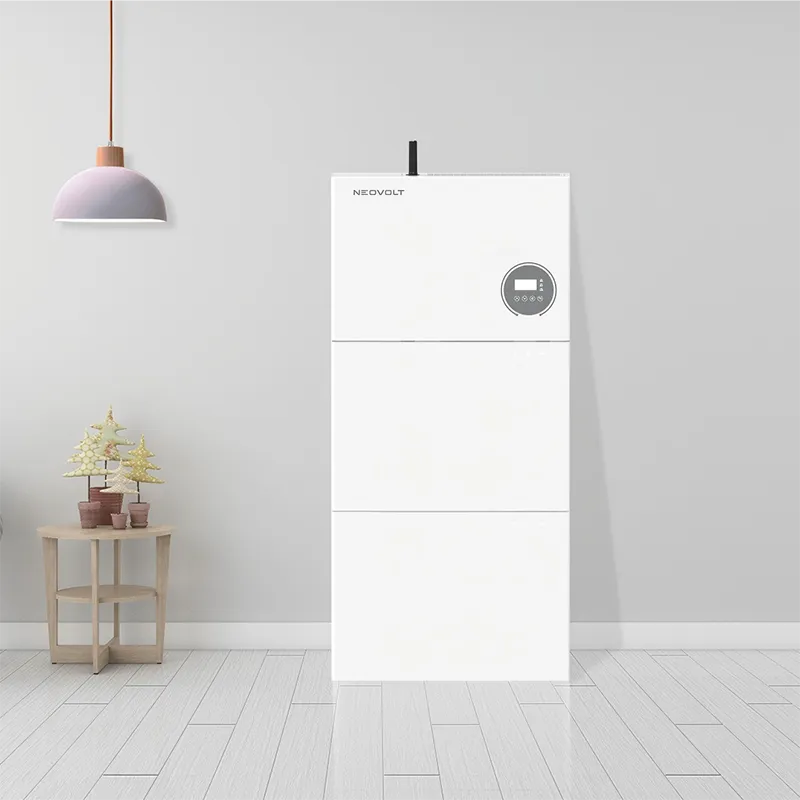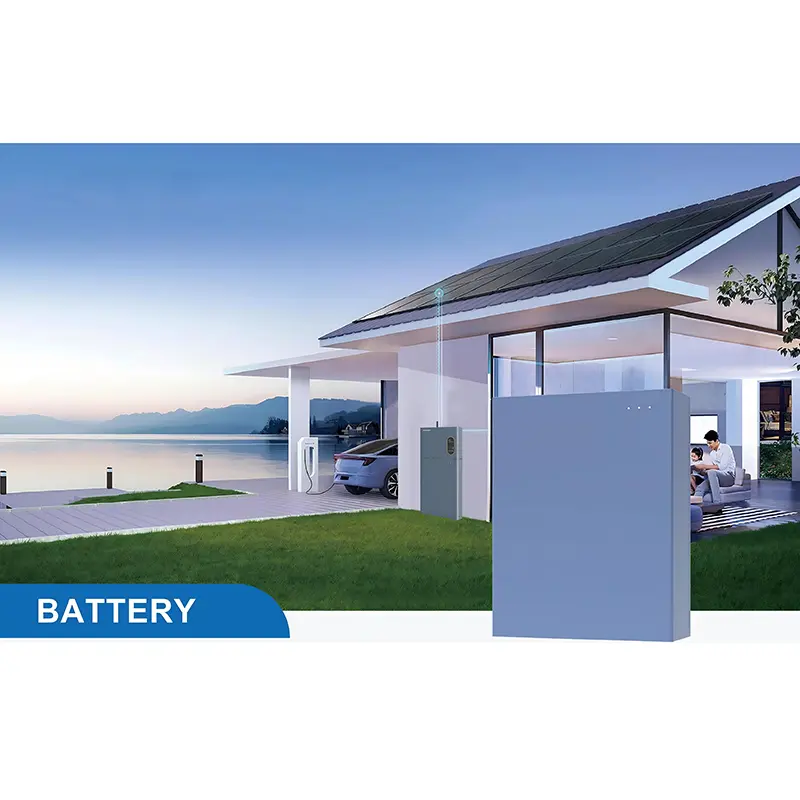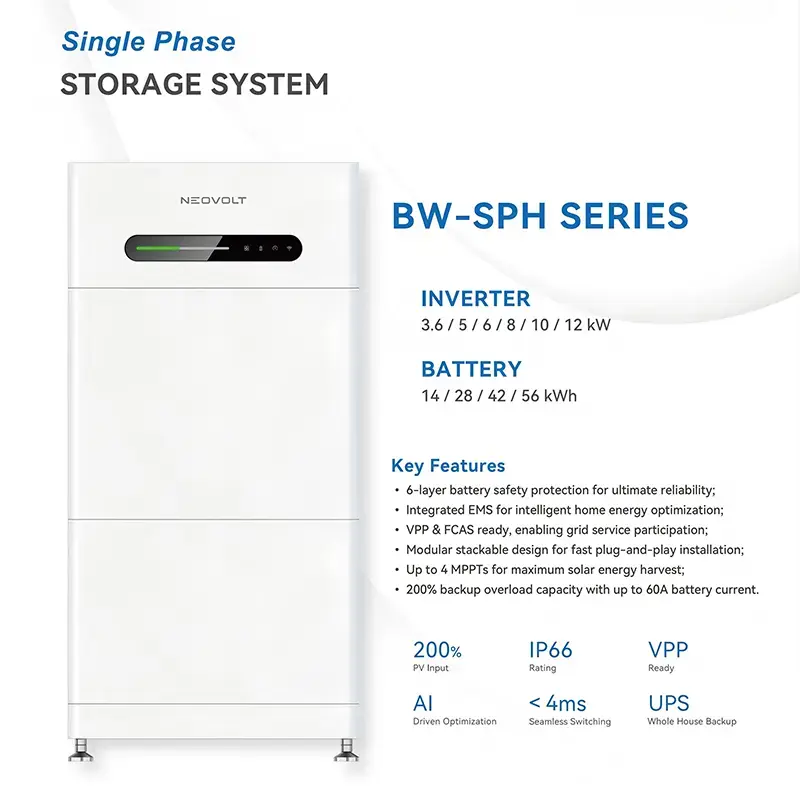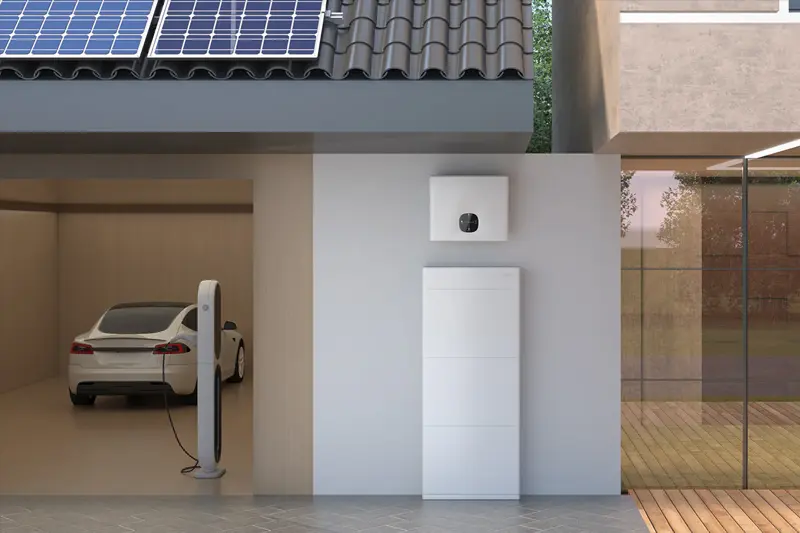
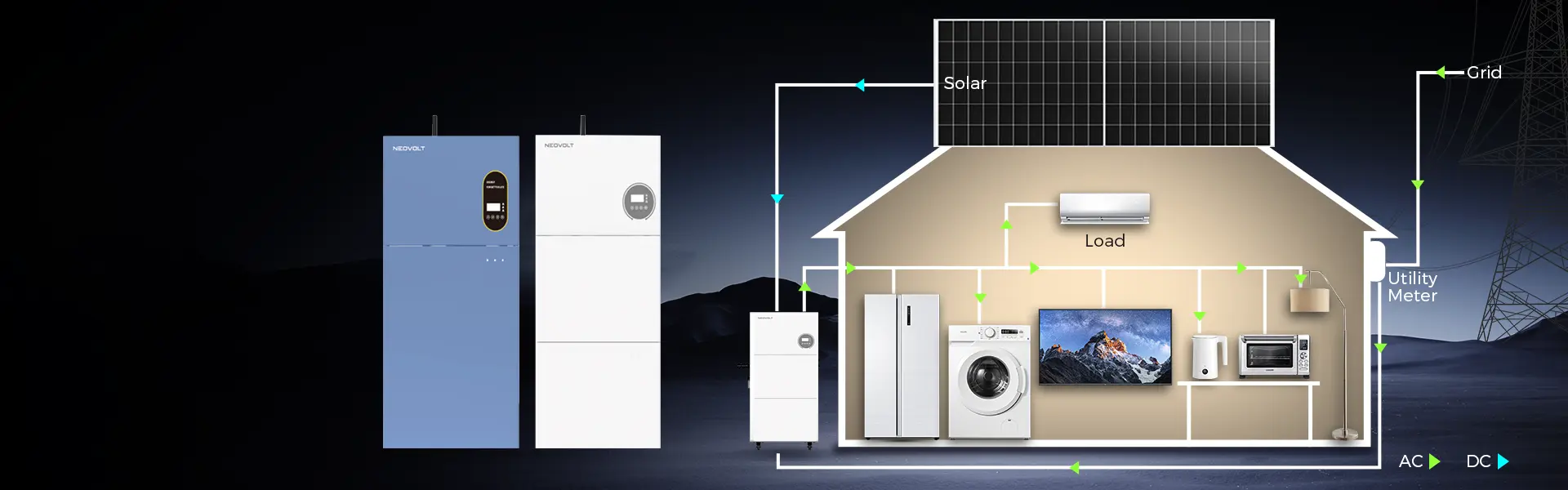
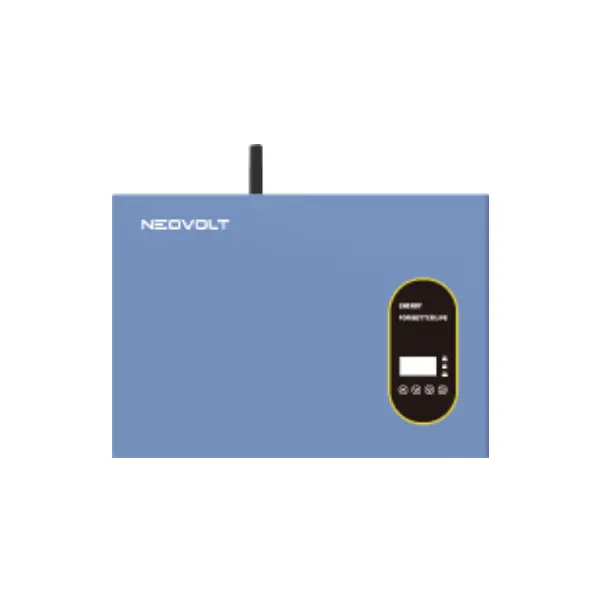
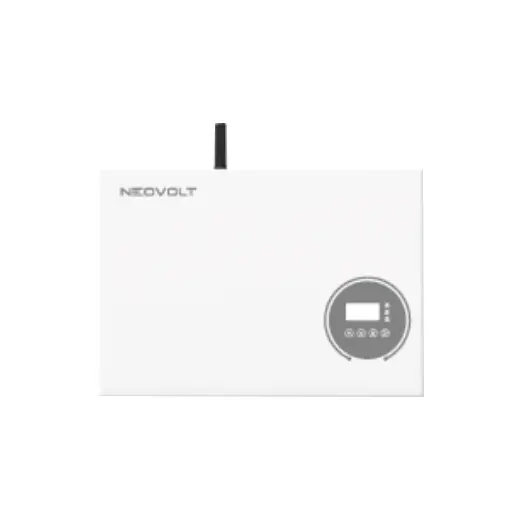

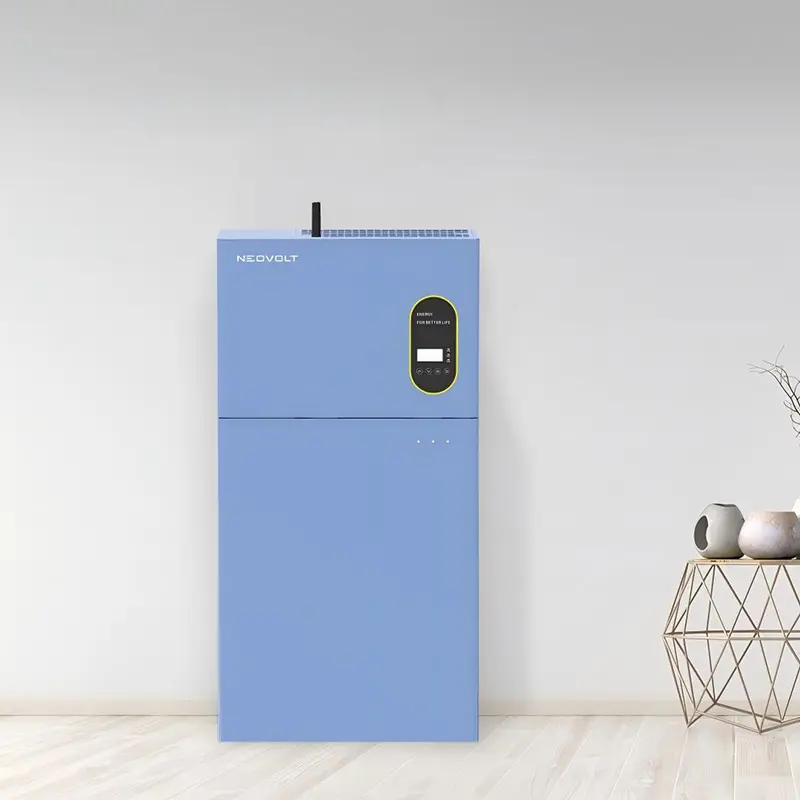
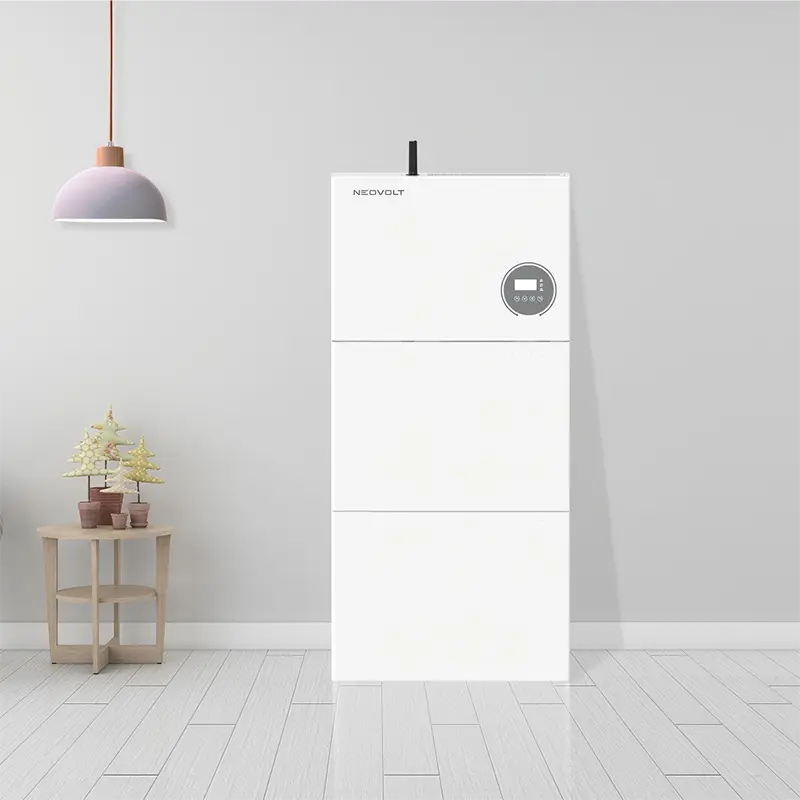
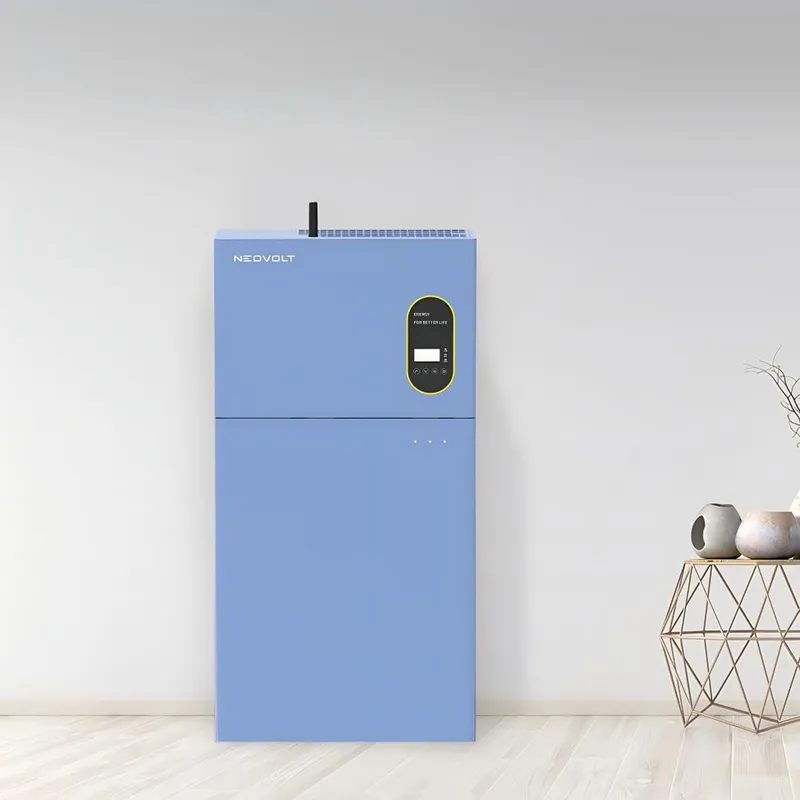
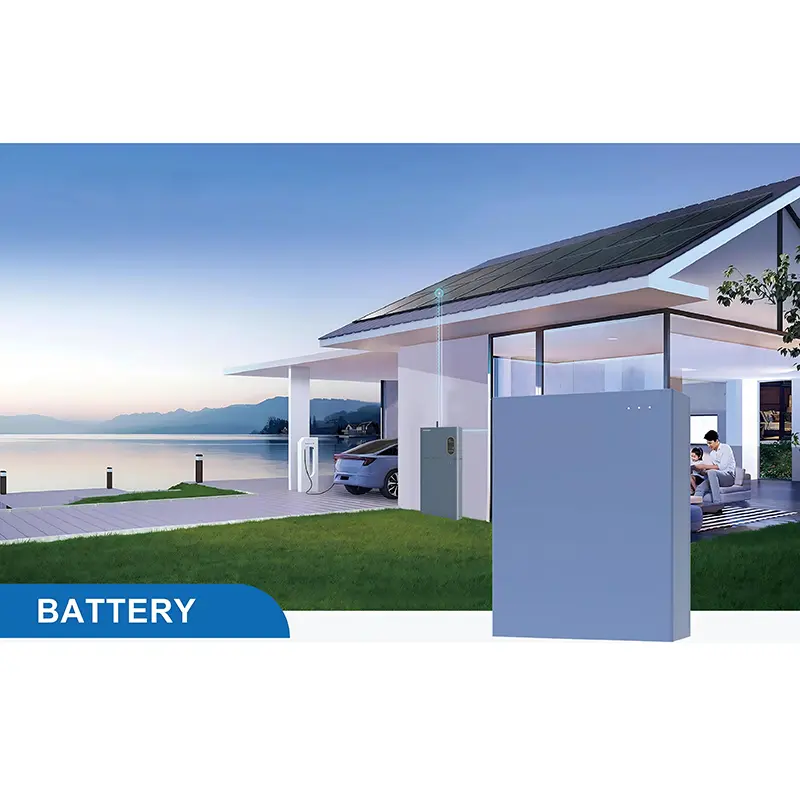

Self-Heating Stackable LiFePO4 Battery Module
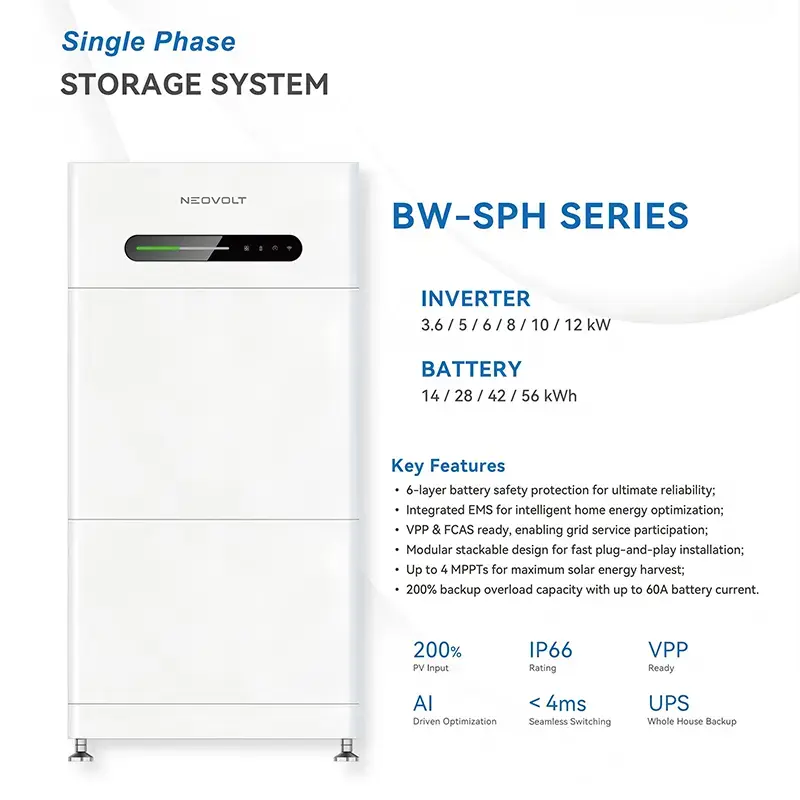
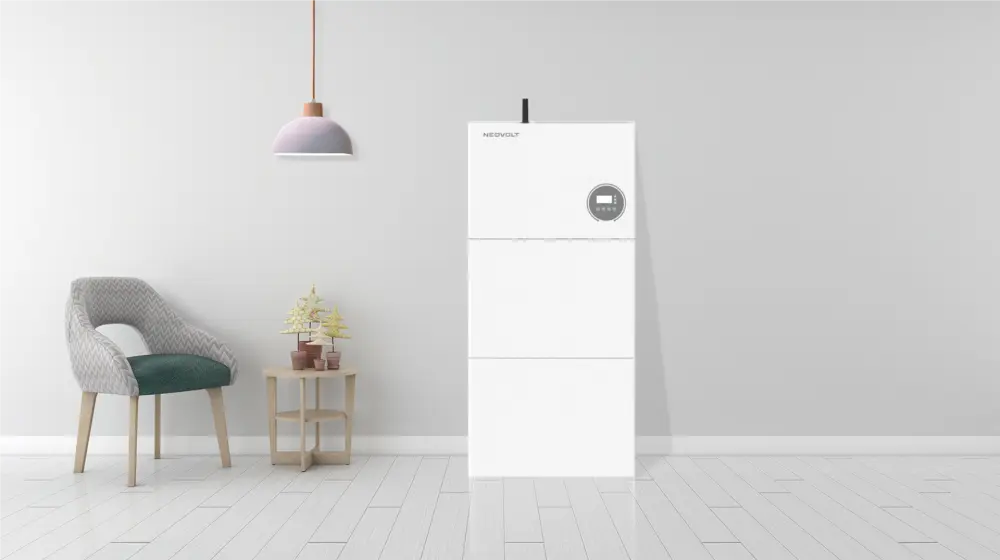
The Sinoah Self-Heating Stackable LiFePO4 Battery Module is the first UK-focused residential storage battery designed specifically for installations in unheated spaces – garages, outbuildings, external walls, and carports where winter temperatures regularly drop below freezing. Manufactured by NeoVolt, a Chinese power electronics manufacturer with over a decade of lithium battery production experience, this module features integrated self-heating technology that enables reliable charging at temperatures as low as -20°C.
As a trusted supplier to the UK market, Sinoah Energy stocks this battery module in our UK warehouse for fast delivery to installers and trade partners nationwide. Featuring genuine LFP chemistry, 8000+ cycle life, IP66 weatherproof rating, and intelligent thermal management that automatically activates when temperatures fall, the Self-Heating Stackable LiFePO4 Battery Module solves the problem that most lithium batteries face in UK winters – they simply stop working when it gets cold.
The Problem: Most Lithium Batteries Stop Working in UK Winters
Standard lithium batteries have a fundamental limitation: they cannot charge when the temperature drops below 0°C. Many manufacturers even specify 5°C as the minimum charging temperature. This is because charging cold lithium cells causes lithium plating – a process where lithium metal deposits on the anode, permanently reducing capacity and creating a fire risk.
For UK homeowners, this creates a serious problem. Where are batteries installed?
· Garages – often unheated, frequently below 5°C in winter
· External walls – exposed to the elements, regularly below freezing
· Outbuildings – no heating, often sub-zero overnight
· Carports – fully exposed, subject to snow and ice
A standard lithium battery installed in any of these locations will simply refuse to charge during cold spells. The BMS disconnects, the inverter shows a fault, and the homeowner is left without storage – just when they need it most, during winter’s short, cloudy days.
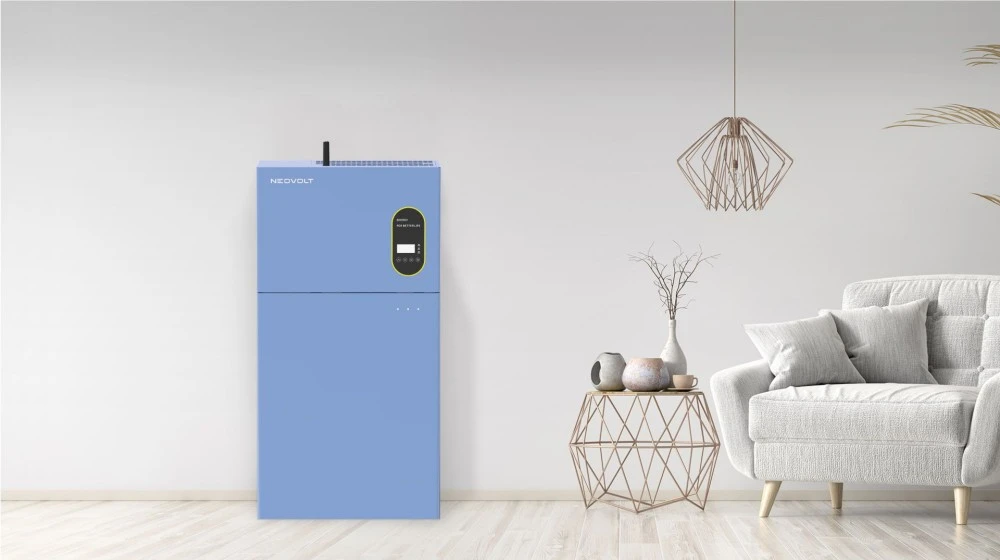
The Sinoah Solution: Integrated Self-Heating Technology
TheSinoah Self-Heating Stackable LiFePO4 Battery Module solves this problem at the source. When the battery’s internal temperature sensors detect conditions below the safe charging threshold, the system automatically activates its built-in heating elements. The battery warms itself to operating temperature, then begins charging – all without any homeowner intervention.
How does it work? The module draws a small amount of power (approximately 50–80W) from the inverter or grid to heat the internal cell pack. Once the temperature reaches the safe charging range (typically 5–10°C), the BMS enables charging. The heating process takes 15–45 minutes depending on ambient temperature – then the battery charges normally.
For UK installers, this has one clear implication: install anywhere. No need to specify heated utility rooms or internal installations. No need to advise homeowners to insulate their garages. No callbacks when the battery stops working on a January morning. The self-heating module performs reliably in any location, in any weather.
How It Works: Intelligent Thermal Management
The Sinoah self-heating system is fully automated and requires no user configuration:
1. Temperature monitoring – Multiple sensors across the module continuously track internal cell temperatures
2. Threshold detection – When temperatures approach the safe charging limit (0–5°C), the BMS prepares to activate heating
3. Heating activation – Power is drawn from the inverter (or grid) to warm the internal cell pack
4. Heating cycle – The battery warms itself to 10–15°C, typically taking 15–45 minutes
5. Charging enabled – Once the safe temperature is reached, the BMS allows charging to begin
6. Idle heating – During very cold weather, the system maintains a minimum temperature when idle to ensure quick response when charging is required
The heating system is efficient: approximately 50–80W during active heating, which typically consumes 0.05–0.1kWh per heating cycle. Compared to the 7–56kWh stored energy, this is negligible – less than 0.2% of capacity.
Where Does This Matter Most?
The self-heating feature is essential for a significant portion of UK installations:
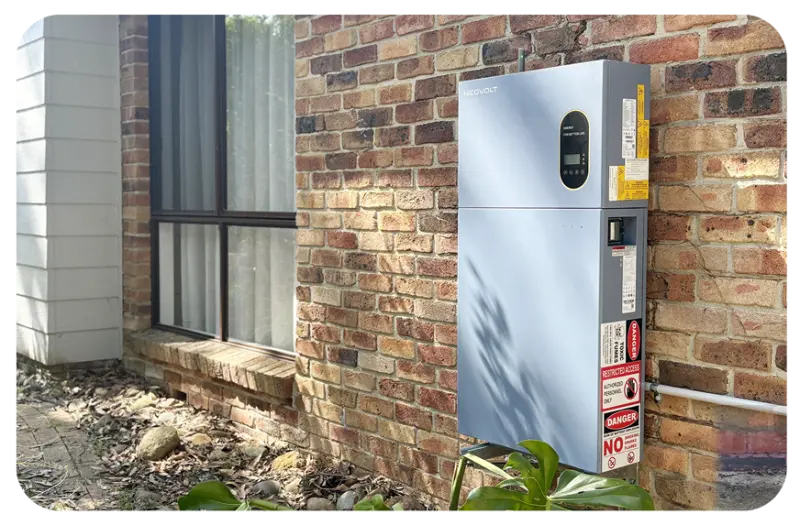
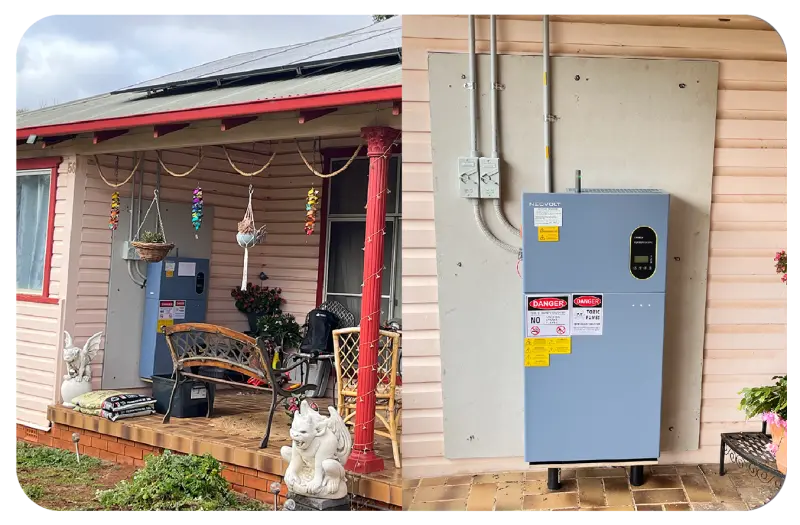
External wall installations – Many UK homes lack internal space for batteries. Installers mount inverters and batteries on external walls – exposed to the full force of winter weather. In January 2024, the UK experienced temperatures as low as -14°C in Scotland and -8°C in southern England. A standard battery on an external wall would have refused to charge for days. The self-heating module would have kept working.
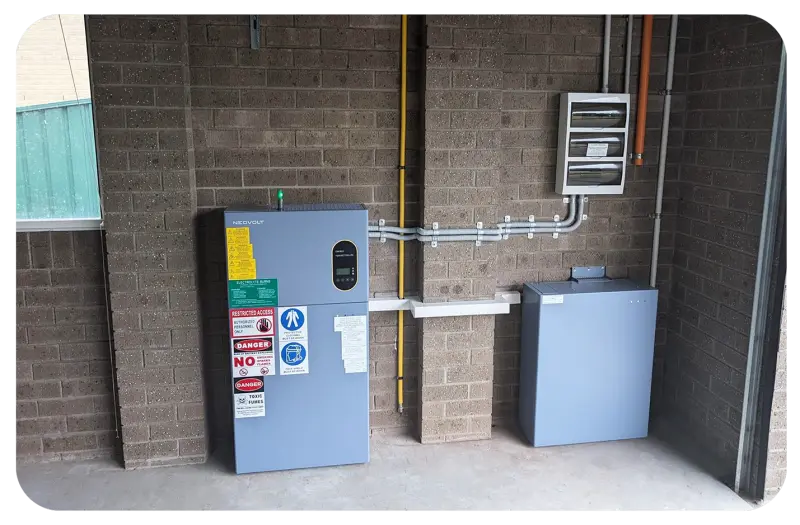
Garage and outbuilding installations – Most UK garages are unheated. Temperature monitoring shows garages regularly drop below 5°C for weeks during winter months. Standard batteries charge slowly or not at all. The self-heating module maintains full charging capability year-round.
Coastal and exposed locations – In exposed locations, wind chill and sea spray combine to create challenging conditions. The IP66 rating provides weather protection; the self-heating technology ensures the battery stays operational regardless of ambient temperature.
Real-World Application: The Cold Garage in the North
Consider a 4-bedroom home in Yorkshire with a 6kWp solar array. The battery is installed in the attached garage –convenient, but unheated. During a cold spell in January, overnight temperatures drop to -5°C. The homeowner wakes up to find that solar generation is minimal (winter clouds, short days) and the battery is at 20% capacity.
A standard battery installed in this garage would refuse to charge from the grid overnight (when the cheap rate applies) because the garage temperature is below 0°C. The homeowner would either wait for a warmer day (which might not come for a week) or manually warm the garage (impractical and expensive).
TheSinoah Self-Heating Stackable LiFePO4 Battery Module handles this scenario automatically. When the overnight cheap rate begins at midnight, the inverter attempts to charge the battery. The BMS detects the cold temperature, activates the heating system for 30 minutes, warms the cells to 10°C, and begins charging. By 7am, the battery is fully charged at the cheap rate – ready for the day’s consumption.
Installer Feedback: “I Can Install Anywhere Now”
We asked a UK MCS-certified installer about the self-heating feature.
“Before self-heating batteries, I had to carefully consider the installation location. In a cold garage? No. External wall? Not without a heated enclosure. I lost a few jobs because the only practical location was the garage, and the customer didn’t want to heat it. With theSinoah self-heating module, I can fit batteries anywhere. The customer gets the convenience of a garage installation without the heating cost. It’s a practical feature that genuinely solves a real-world problem.”
Installation flexibility – The self-heating module can be installed in unheated garages, external walls, carports, and outbuildings without performance concerns.
No customer education required – Homeowners don’t need to remember to heat their garage or insulate their battery. The system handles everything automatically.
Winter performance guarantee – The self-heating feature ensures the battery delivers rated capacity even in the coldest UK winters – a significant confidence builder for homeowners.
Beyond the Cold: The CompleteSinoah Module
The self-heating technology is integrated intoSinoah battery modules across the G3 and G4 ranges – available in 7kWh, 14kWh, 28kWh, 42kWh, and 56kWh configurations. All modules share the same core specifications:
· Genuine LFP chemistry – Safe, durable, cobalt-free
· 8000+ cycle life – Decades of reliable service
· IP66 weatherproof – Protected against dust and powerful water jets
· CAN communication – Seamless integration withSinoah inverters
· 10-year warranty – Long-term confidence
The self-heating feature is not an optional extra – it is standard on allSinoah modules, across all capacities. This means every installation benefits from winter protection, regardless of the size of the system.
Safety: Six Layers of Protection Including Temperature Management
The Self-Heating Stackable LiFePO4 Battery Module incorporates a six-layer safety protection system, with temperature management playing a central role:
1. Cell-Level Protection – Each prismatic LFP cell is individually monitored for voltage and temperature
2. Module-Level BMS – The built-in BMS balances cells and manages self-heating activation
3. Pack Over-Voltage / Under-Voltage Protection – Automatic disconnection if voltage strays outside limits
4. Temperature Monitoring – Multiple sensors detect cold conditions and trigger self-heating
5. Short Circuit and Over-Current Protection – The BMS responds to fault currents within milliseconds
6. Communication Redundancy – CAN bus provides real-time data; if communication is lost, the system defaults to safe mode
The self-heating system itself is designed with safety in mind: heating elements are fail-safe and controlled by the BMS, ensuring the battery never overheats.
Technical Specifications
|
Parameter |
G3 Series、G4 Series |
|
Self-Heating Activation |
Below 0–5°C |
|
Heating Power |
50–80W |
|
Heating Time |
(Typical) 15–45 minutes |
|
Minimum Charging Temperature |
-20°C |
|
Minimum Discharge Temperature |
-20°C |
|
Battery Type |
LiFePO4 (LFP) |
|
Nominal System Voltage |
350 V |
|
Operating Voltage Range |
200 – 500 V |
|
Max. Charge / Discharge Current |
60A / 60A |
|
Cycle Life |
8000+ cycles |
|
Ingress Protection |
IP66 |
|
Warranty |
10 Years |
Why Choose the Self-Heating Battery from Sinoah Energy
1. Install Anywhere – Unheated garages, external walls, carports, outbuildings – the self-heating module works in any UK location.
2. Automatic Winter Protection – The BMS activates self-heating automatically; no homeowner intervention required.
3. Reliable Year-Round Performance – The battery charges even when ambient temperatures drop to -20°C – essential for UK winters.
4. Genuine LFP Chemistry – Safe, durable LFP cells with 8000+ cycle life.
5. UK Stock, Fast Delivery – Sinoah Energy maintains inventory in our UK warehouse.
6. Factory Direct Pricing – Direct fromNeovolt’s manufacturing facility with over a decade of experience.
7. 10-Year Warranty – Long-term confidence for installers and homeowners.
8. IP66 Weatherproof – Suitable for indoor or outdoor installation.
9. VPP and FCAS Ready – Future-proof investment.
10. Range of Capacities – Available from 7kWh to 56kWh.
Available Capacities (All with Self-Heating)
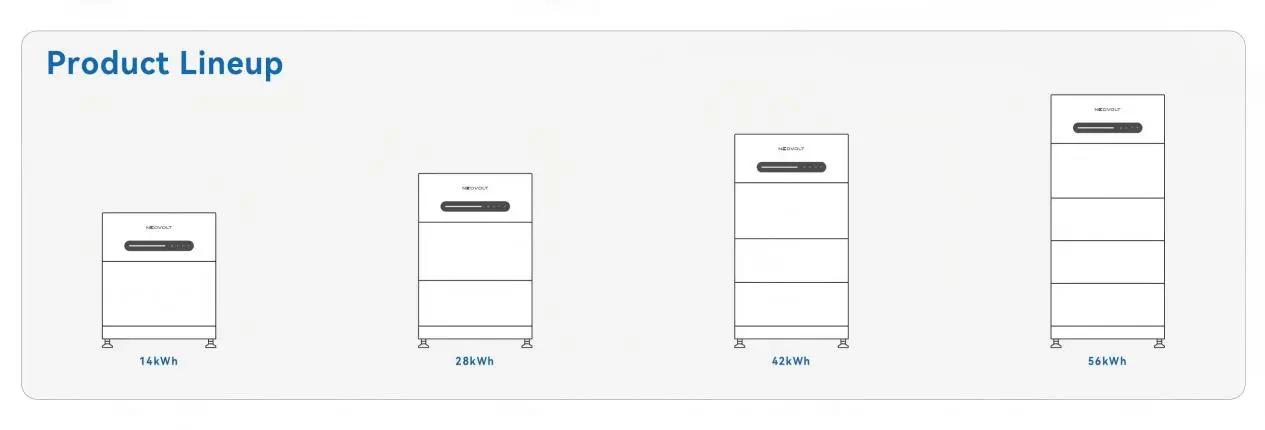
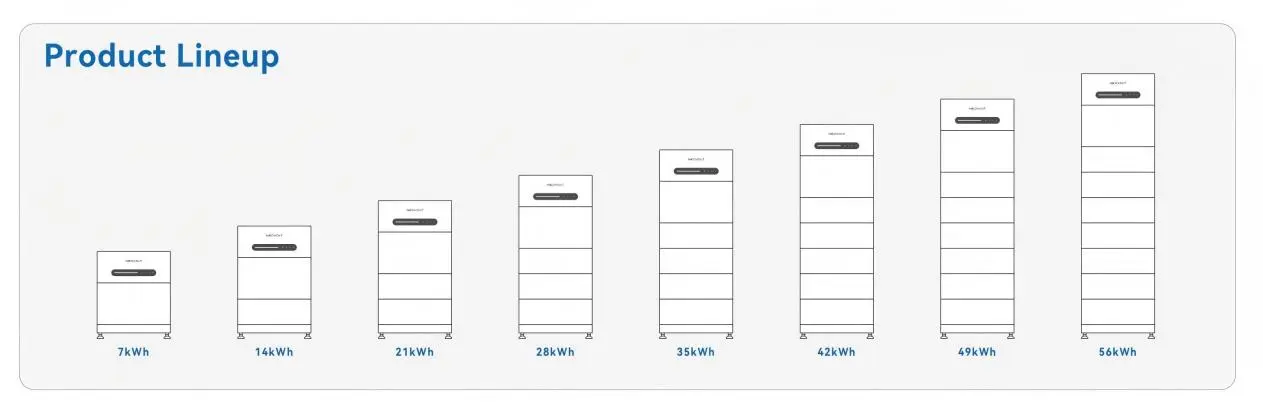
Ready to add the NeoVolt Self-Heating Stackable LiFePO4 Battery Module to your product range?
Contact us and become a trade partner today and access competitive pricing, UK stock, and dedicated technical support.
FAQ:
Q1: Why does a battery need self-heating in the UK?
A: Most lithium batteries cannot charge below 0°C – charging cold cells causes permanent damage and creates a fire risk. In UK winters, garages, external walls, and outbuildings regularly drop below freezing. A standard battery installed in these locations will simply refuse to charge during cold spells – exactly when homeowners need it most. Self-heating ensures the battery charges reliably all year round, regardless of installation location.
Q2: How does the self-heating system work?
A: Multiple temperature sensors continuously monitor the battery. When temperatures drop below the safe charging threshold (0–5°C), the BMS automatically activates built-in heating elements. The battery warms itself to operating temperature (typically 15–45 minutes), then begins charging normally. The system draws approximately 50–80W during heating – less power than a light bulb – and consumes less than 0.1kWh per cycle, a negligible fraction of the stored energy.
Q3: Does self-heating add cost or reduce battery life?
A: The heating system adds minimal cost (built-in, no external components) and has negligible impact on battery life. The 8000+ cycle rating applies with self-heating enabled – the heating system is designed for decades of reliable operation. Compared to the alternative – a standard battery that stops working in winter – self-heating delivers far better value and a much better user experience.
Hot Tags: Self-Heating Stackable LiFePO4 Battery Module, stackable LiFePO4 battery, LiFePO4 battery module wholesale
Related Category
Send Inquiry
Contact Info
-
Address
Neo bankside, 50 Holland Street, London, SE1 9FU, United Kindom
-
Tel
-
E-mail
If you have any inquiry about a quotation or cooperation, please feel free to email or use the following inquiry form. Our sales representative will contact you within 24 hours.