
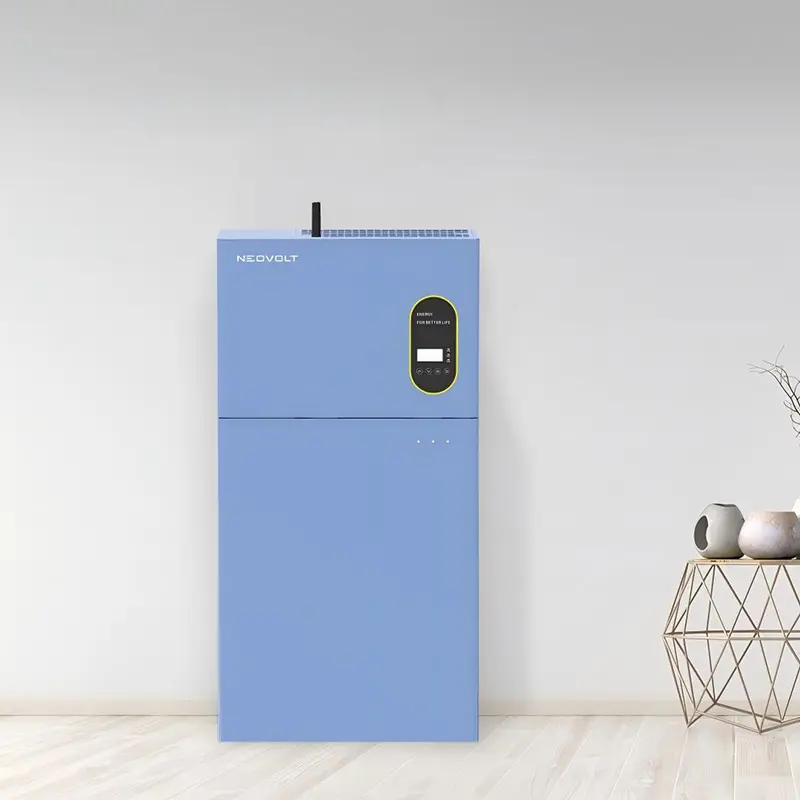
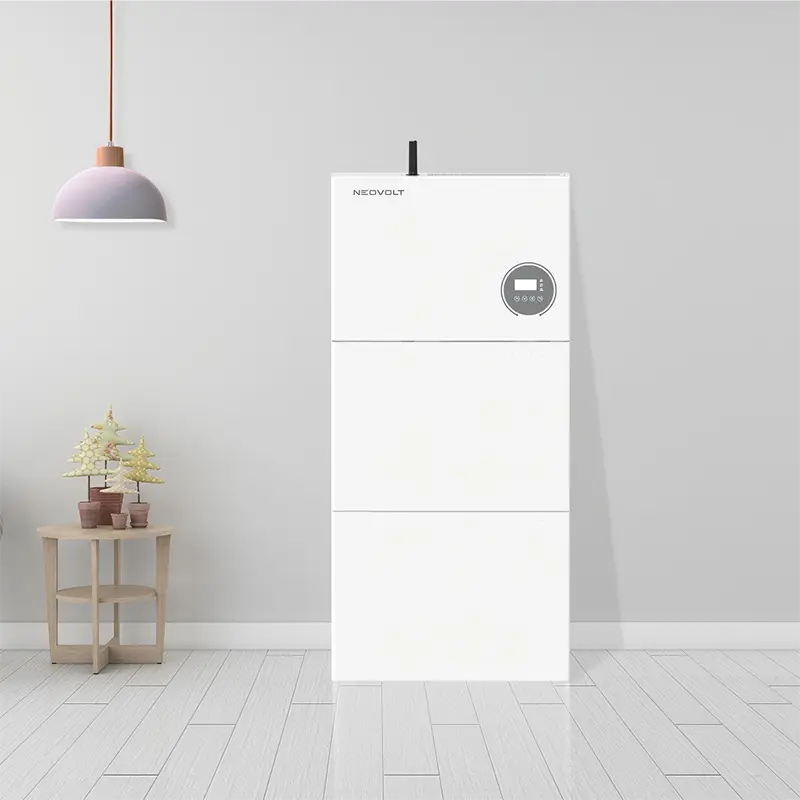


IP66 Stackable LiFePO4 Battery Module
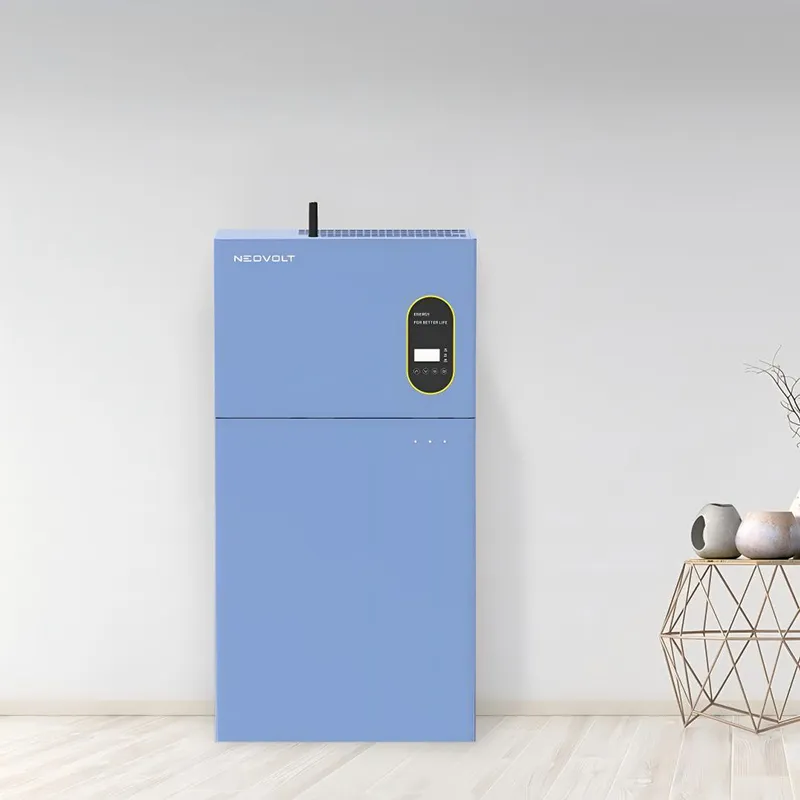
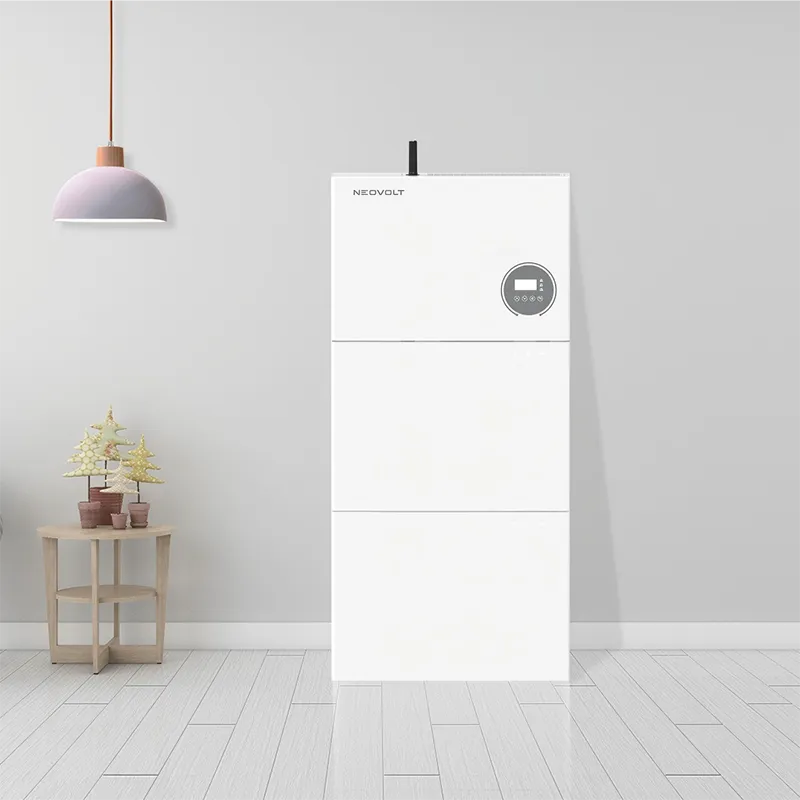
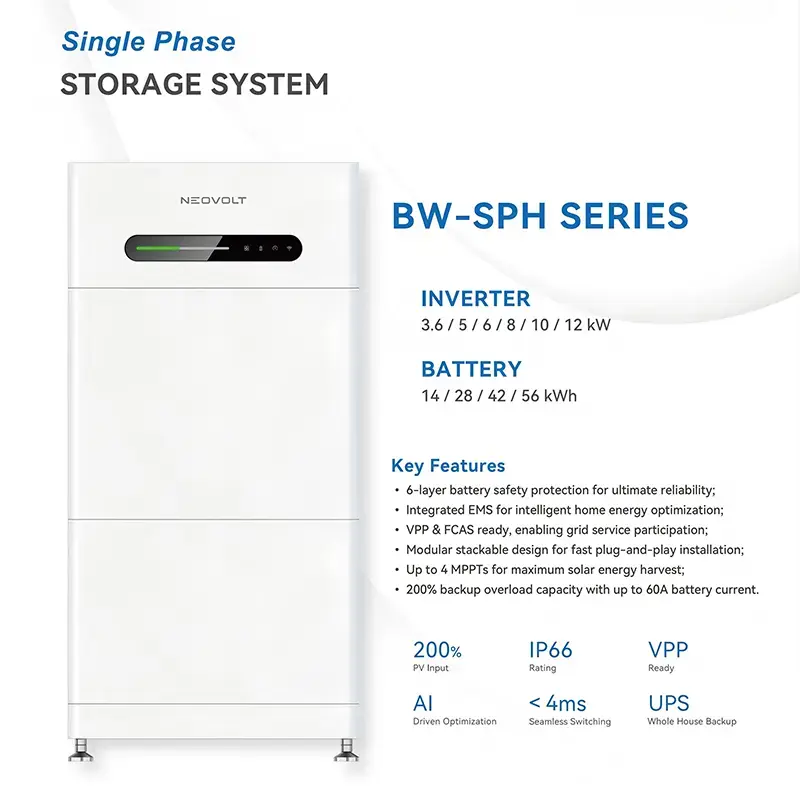
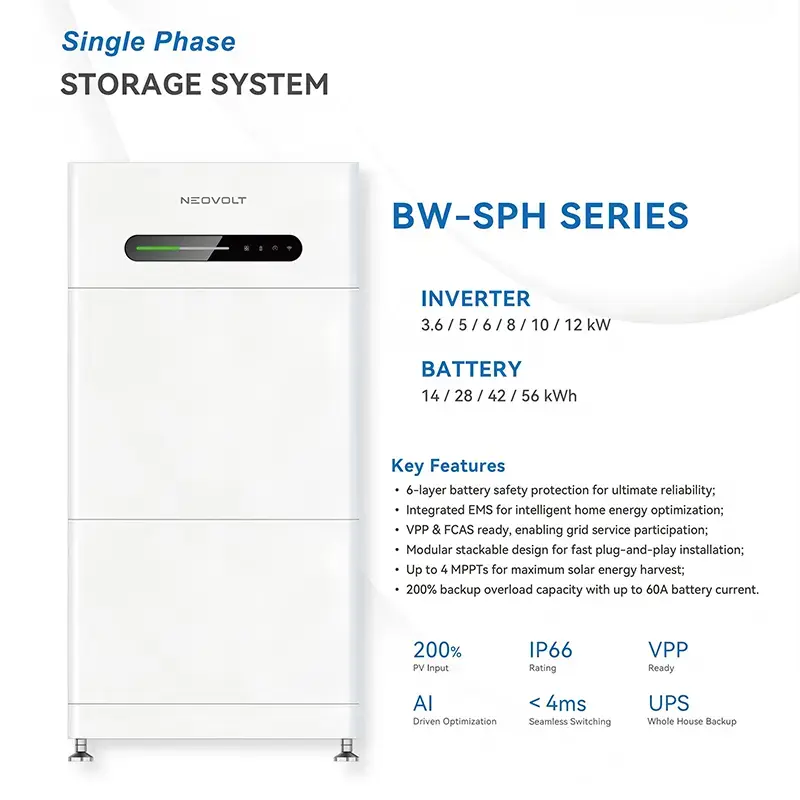
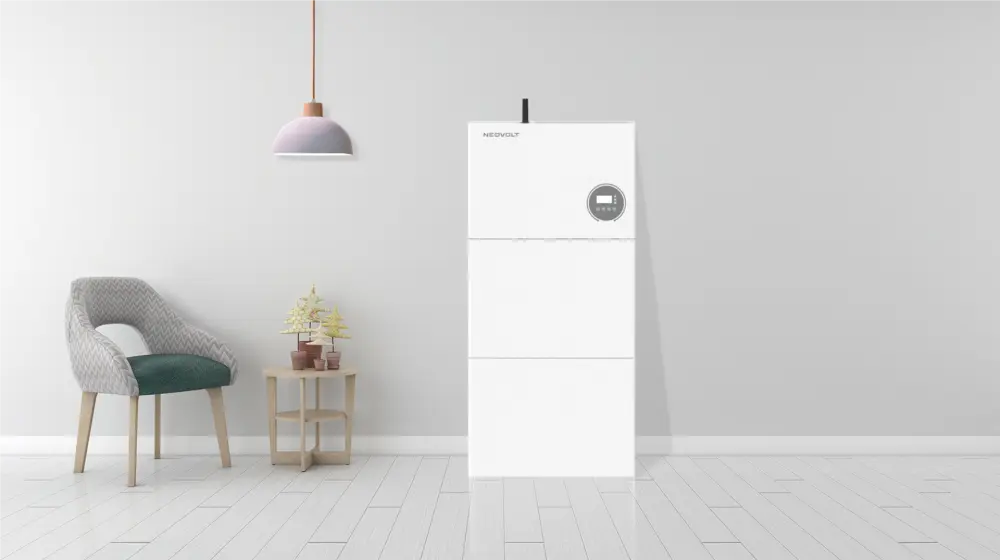
The Sinoah IP66 Stackable LiFePO4 Battery Module is the first residential storage battery designed for outdoor installation in the UK climate – fully protected against dust, powerful water jets, and coastal salt spray. Manufactured by Neovolt, a Chinese power electronics manufacturer with over a decade of lithium battery production experience, this module carries an IP66 ingress protection rating that exceeds the industry-standard IP65 found on most home batteries.
As a trusted supplier to the UK market, Sinoah Energy stocks this battery module in our UK warehouse for fast delivery to installers and trade partners nationwide. Featuring genuine LFP chemistry, 8000+ cycle life, self-heating technology for -20°C charging, and a powder-coated steel enclosure that withstands driving rain, snow, and salt-laden coastal air, the IP66 Stackable LiFePO4 Battery Module removes the single biggest constraint for UK homeowners – the need to find internal space for battery installation.
The Problem: Internal Space Is Precious in UK Homes
UK homes are small by international standards. The average new-build home in England is just 68 square metres – among the smallest in Europe. Existing housing stock is even more constrained: Victorian terraces, 1930s semis, and post-war estates all share a common feature – limited internal space.
When a homeowner wants battery storage, the installer faces a challenge: where to put it? Garages are often filled with cars, bicycles, and storage. Utility rooms are cramped. Lofts are inaccessible or lack structural support for heavy batteries. Internal walls may not have the strength to support a 100kg+ battery.
The standard solution – find internal space – is often the primary barrier to installation. Homeowners reject battery storage not because they don‘t want it, but because they can’t see where it would go.
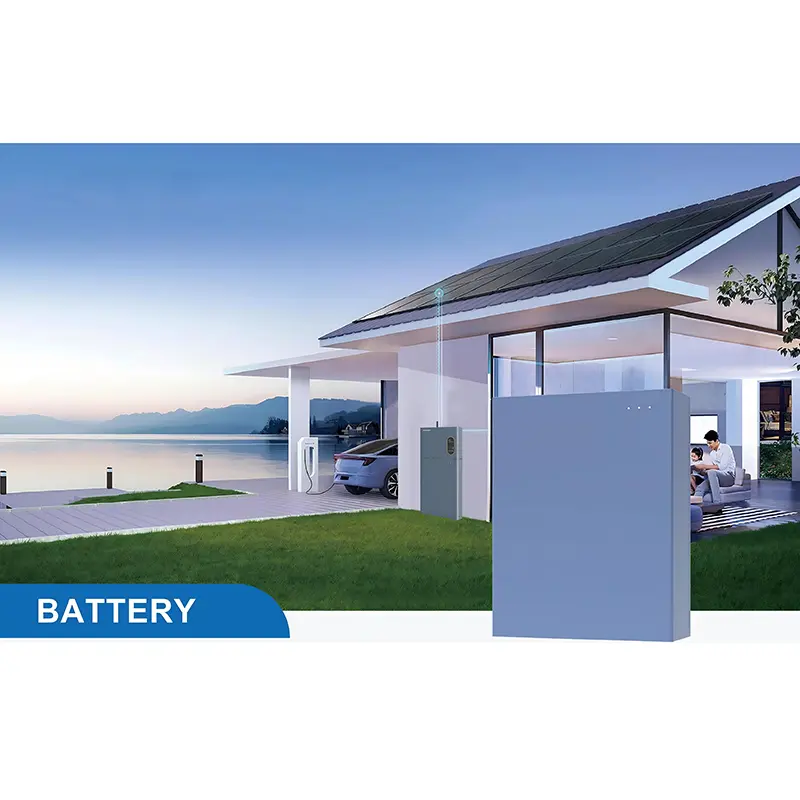
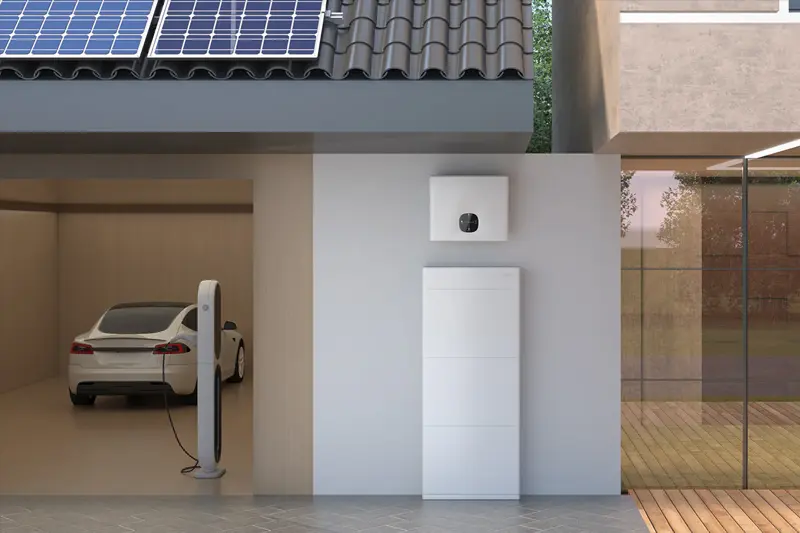
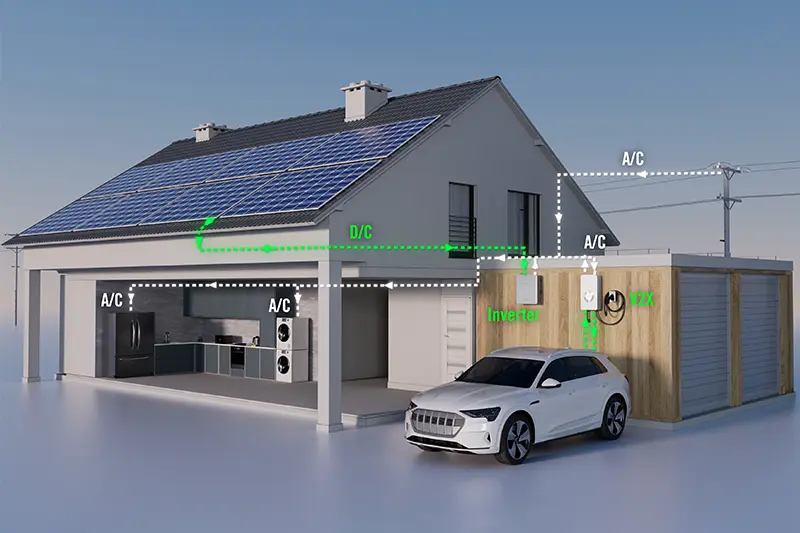
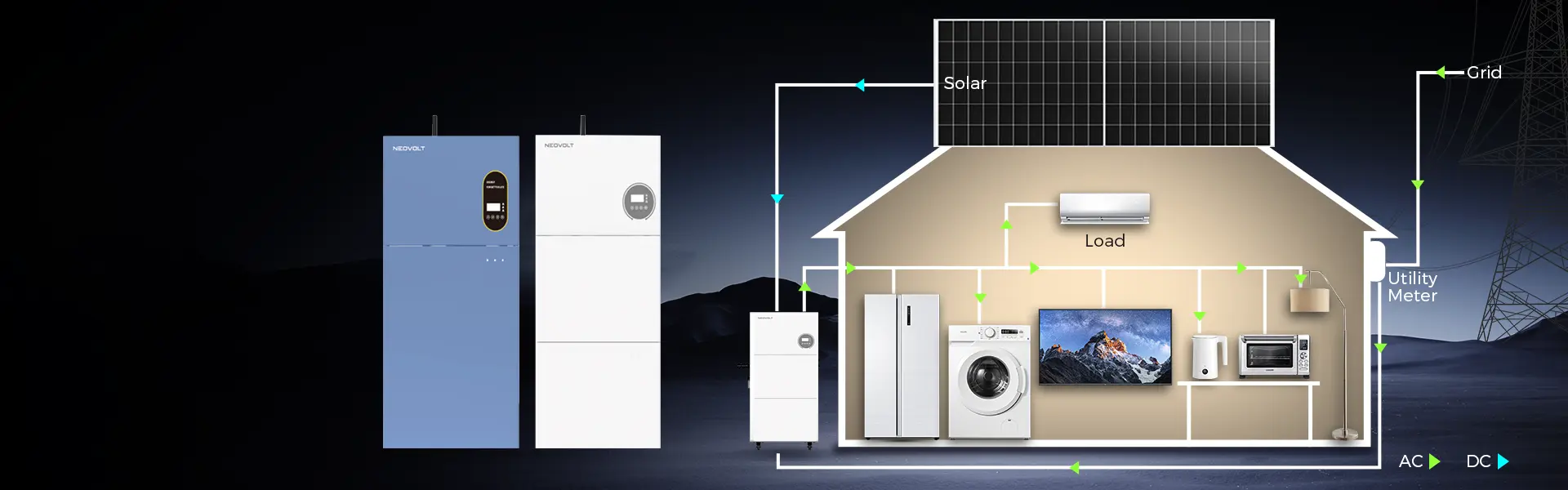
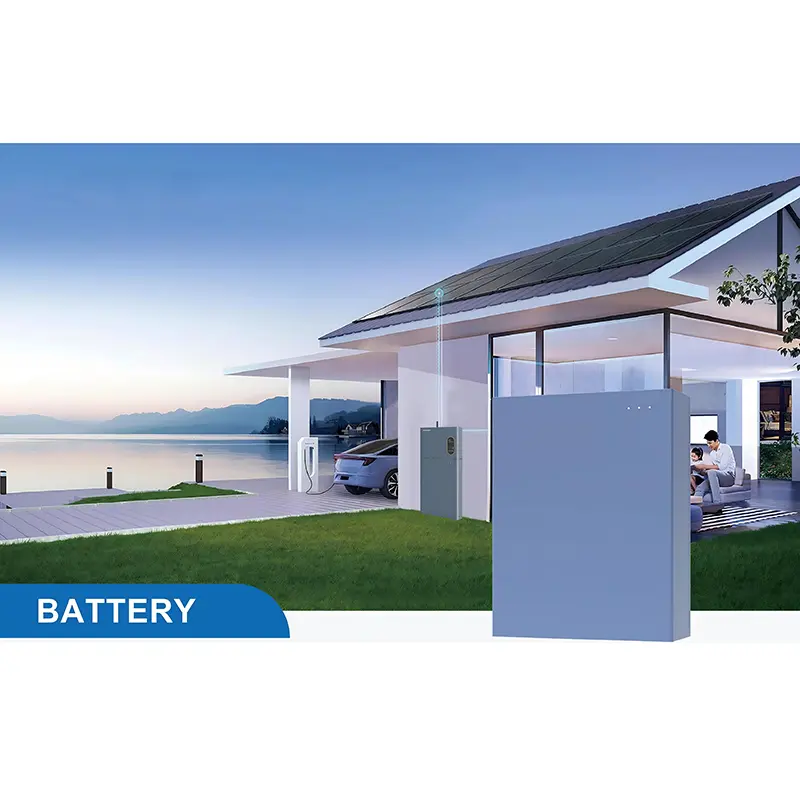
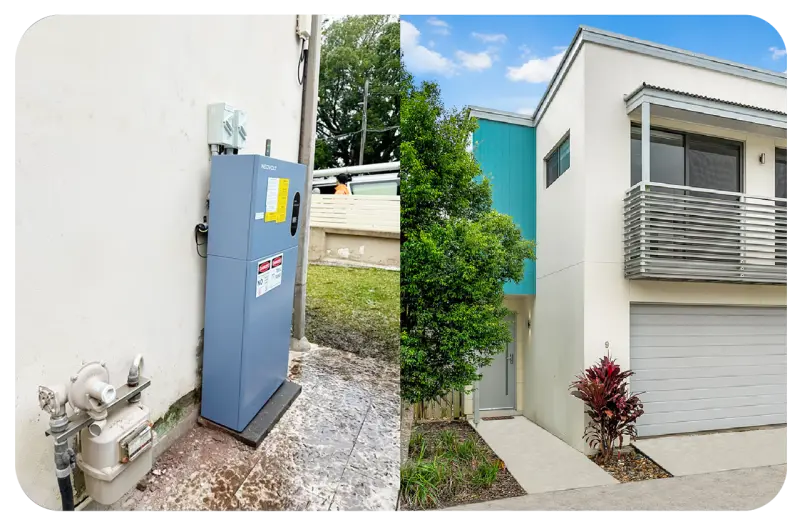
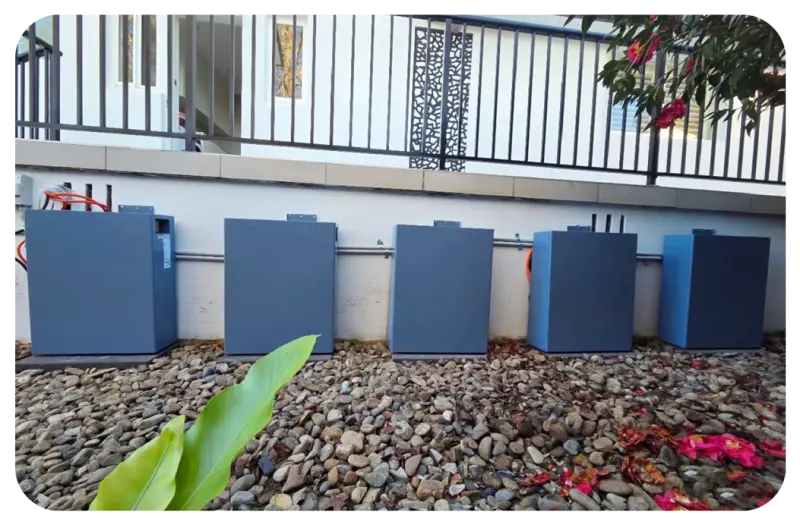
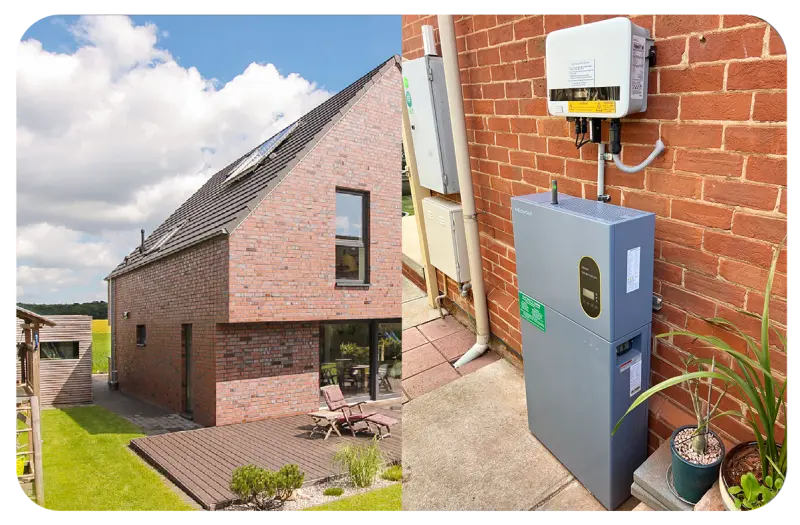
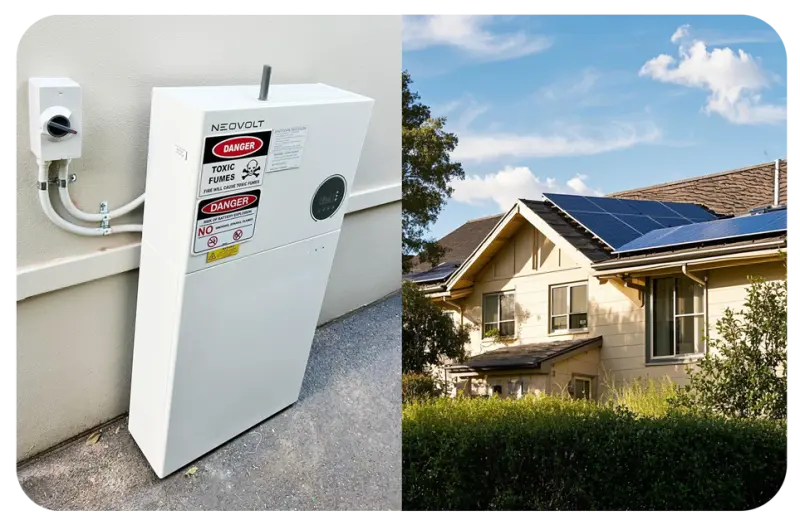
TheSinoah IP66 Stackable LiFePO4 Battery Module changes this equation entirely. With its IP66 weatherproof rating, it can be installed outside – on external walls, in carports, or in garden buildings – with no weather protection required. The home‘s internal space is preserved, the installation is simpler, and the homeowner gets the storage they want.
IP66 vs IP65: What’s the Difference and Why Does It Matter?
Most residential batteries carry an IP65 rating. IP65 means the enclosure is fully dust-tight and protected against low-pressure water jets from any direction. In practice, this is perfectly adequate for indoor installations and even covered outdoor locations.
TheSinoah battery module carries an IP66 rating. IP66 means the enclosure is fully dust-tight and protected against powerful water jets – higher pressure and greater water volume than IP65. This is the same rating used for outdoor industrial electrical equipment, street lighting, and marine-grade enclosures.
What does this mean for UK installers?
|
|
IP65 |
IP66 |
|
Dust protection |
Full |
Full |
|
Water protection |
Low-pressure jets |
Powerful jets |
|
External wall (exposed) |
Protection, but vulnerable to storm conditions |
Complete protection |
|
Coastal location |
Not recommended (salt spray ingress risk) |
Recommended (salt spray resistance) |
|
Carport (open) |
Protection, but vulnerable to wind-driven rain |
Complete protection |
|
Garden building |
Sufficient |
Superior |
The practical implication: an IP65 battery installed on an exposed external wall will likely survive normal UK weather, but may be vulnerable to storm-force winds driving rain at an angle. An IP66 battery will withstand these conditions without concern. In coastal locations, where salt-laden air can corrode enclosures, IP66 provides the durability needed for long-term reliability.
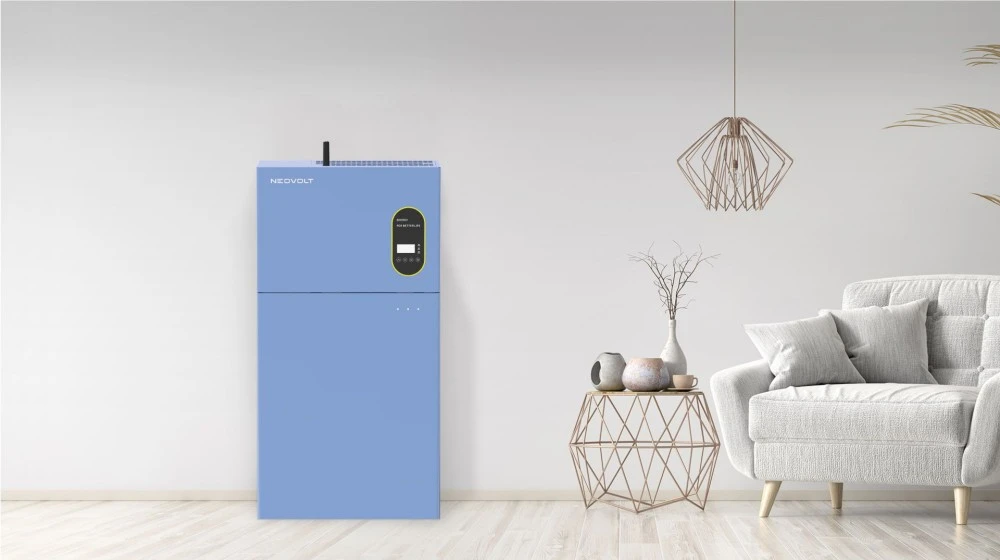
Why Installation Location Matters More Than You Think
UK installers face three challenges with indoor battery installations:
Space constraints – A 56kWh NeoVolt battery stack weighs 416–470kg. Finding internal space for this is difficult in many homes.
Floor loading – Internal floors may not be designed for the weight of a battery stack. Reinforcing floors adds cost and time. External installations – on ground slabs – eliminate this concern.
Ventilation and fire safety – Battery installations require adequate ventilation and may trigger fire safety assessments. External installations simplify or remove these requirements.
TheSinoah IP66 module solves all three: external ground-level installation on a concrete slab, no ventilation concerns, no fire safety complications.
Built for Coastal and Exposed Locations
The UK has over 12,000 kilometres of coastline, with millions of homes in coastal towns and villages. Coastal air carries salt particles that corrode metal enclosures and penetrate electrical equipment. Standard IP65 enclosures, while dust-tight and water-resistant, are not designed for coastal conditions. Salt ingress over time degrades seals and enters enclosures, eventually causing electrical failures.
TheSinoah IP66 battery module is specifically designed for these conditions. The powder-coated steel enclosure provides robust corrosion resistance. The sealing system – gaskets, cable glands, and connection points – is designed to withstand salt spray penetration. The IP66 rating provides protection against powerful water jets, which in practical terms means the enclosure maintains its integrity even when subjected to salt-laden, wind-driven rain.
For installers working in coastal areas, this means they can confidently install batteries on external walls, in carports, or in garden buildings without concern about salt-induced failures.
Real-World Application: The Victorian Terrace with No Garage
Consider a Victorian terrace in a coastal town in Devon. The home has a 4kWp solar array on the south-facing roof. The homeowner wants battery storage, but:
· No garage – the property has on-street parking
· No utility room – the kitchen is the only ground-floor room
· No internal wall suitable for a 100kg battery – the home has original 9-inch brick walls, but internal walls are stud partitions
The only practical location is the external rear wall – exposed to coastal weather, salt spray from the sea, and driving rain.
The IP66 battery module solves this problem entirely. The installer mounts a 14kWh module on the external wall (with suitable bracketing), runs cables through a weatherproof gland, and commissions the system. The IP66-rated enclosure protects against salt spray and driving rain. The self-heating technology ensures the battery charges even on cold winter days.
The homeowner gets battery storage without sacrificing internal space. The installer completes the job without structural complications. The system performs reliably for decades.
From an Installer‘s Perspective: “IP66 Is the Only Outdoor Option”
We asked a UK MCS-certified installer who works in coastal South West England about the IP66 rating.
“I won’t install any battery on an external wall without IP66. I’ve seen IP65 batteries fail after two years in coastal locations – salt ingress through cable glands, corrosion on terminals, and eventually BMS faults. The IP66Sinoah module solves that. The sealing is better, the enclosure is more robust, and I can confidently install it anywhere – not just in protected locations.”
Installation flexibility – The IP66 module can be installed on any external wall, in any weather exposure, without additional protection.
Coastal confidence – Salt spray resistance means the module performs reliably in the toughest UK locations.
Simpler installations – No need to find internal space, no floor-loading calculations, no ventilation requirements.
Safety: Six Layers of Protection with Weatherproof Enclosure
The IP66 Stackable LiFePO4 Battery Module incorporates a six-layer safety protection system, with the weatherproof enclosure providing the first line of defence:
1. IP66 Enclosure Protection – Dust-tight, powerful water jet resistant, corrosion-resistant powder-coated steel
2. Cell-Level Protection – Each prismatic LFP cell is individually monitored for voltage and temperature
3. Module-Level BMS – The built-in BMS balances cells, prevents over-charge and over-discharge
4. Pack Over-Voltage / Under-Voltage Protection – Automatic disconnection if voltage strays outside limits
5. Short Circuit and Over-Current Protection – The BMS responds to fault currents within milliseconds
6. Communication Redundancy – CAN bus provides real-time data; if communication is lost, the system defaults to safe mode
Technical Specifications
|
Parameter |
Specification |
|
Ingress Protection |
IP66 |
|
Enclosure Material |
Powder-coated steel |
|
Dust Protection |
Full (dust-tight) |
|
Water Protection |
Powerful water jets from any direction |
|
Salt Spray Resistance |
High |
|
Corrosion Protection |
Powder-coated, marine-grade sealing |
|
Self-Heating |
Yes (-20°C charging) |
|
Battery Type |
LiFePO4 (LFP) |
|
Voltage Range |
200 – 500 V |
|
Max. Current |
60A charge / 60A discharge |
|
Cycle Life |
8000+ |
|
Warranty |
10 Years |
|
Capacities |
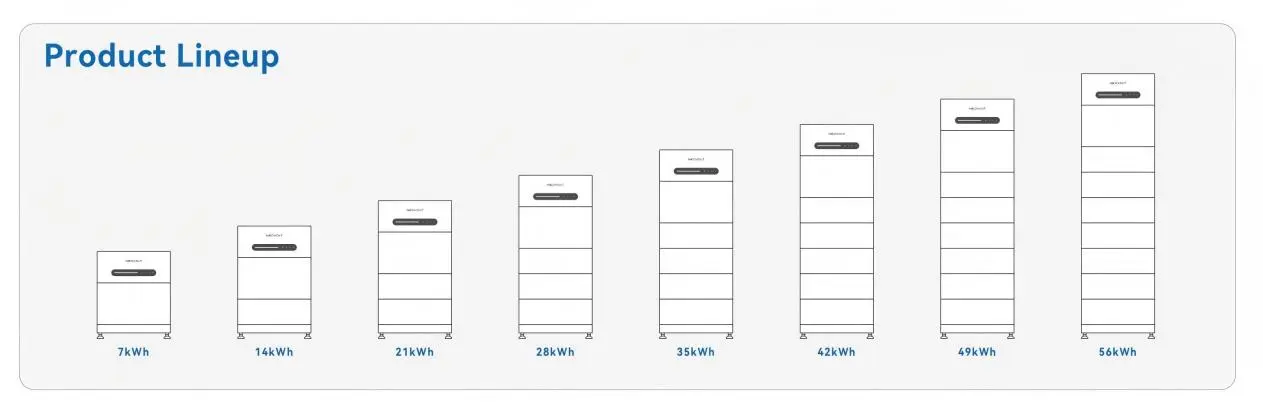
7–56kWh (G3 and G4 series) |
Installation Best Practices for External Installations
For installers mountingSinoah IP66 modules externally, we recommend:
1. Suitable wall – Ensure the wall can support the weight (78–470kg depending on configuration). Use appropriate fixings for the wall construction.
2. Ground clearance – Mount the module at least 150mm above ground to avoid standing water and allow airflow underneath.
3. Cable entry – Use appropriate weatherproof glands for all cable entries. Ensure glands are correctly sized and tightened.
4. Cable routing – Route cables to avoid water pooling. Use drip loops where necessary.
5. Structural support – For larger configurations (42kWh+, 320–470kg), consider ground mounting on a concrete pad rather than wall mounting.
6. Access – Ensure sufficient clearance for maintenance and service access.
Why Choose the IP66 Battery from Sinoah Energy
1. Install Anywhere – External walls, carports, garden buildings, coastal locations – no internal space required.
2. Genuine IP66 – Not IP65 – full protection against powerful water jets and salt spray.
3. Coastal-Ready – Designed for the toughest UK weather conditions, including salt-laden coastal air.
4. Genuine LFP Chemistry – Safe, durable LFP cells with 8000+ cycle life.
5. UK Stock, Fast Delivery – Sinoah Energy maintains inventory in our UK warehouse.
6. Factory Direct Pricing – Direct fromNeovolt’s manufacturing facility with over a decade of experience.
7. 10-Year Warranty – Long-term confidence for installers and homeowners.
8. Self-Heating – Charges at -20°C – essential for external installations.
9. VPP and FCAS Ready – Future-proof investment.
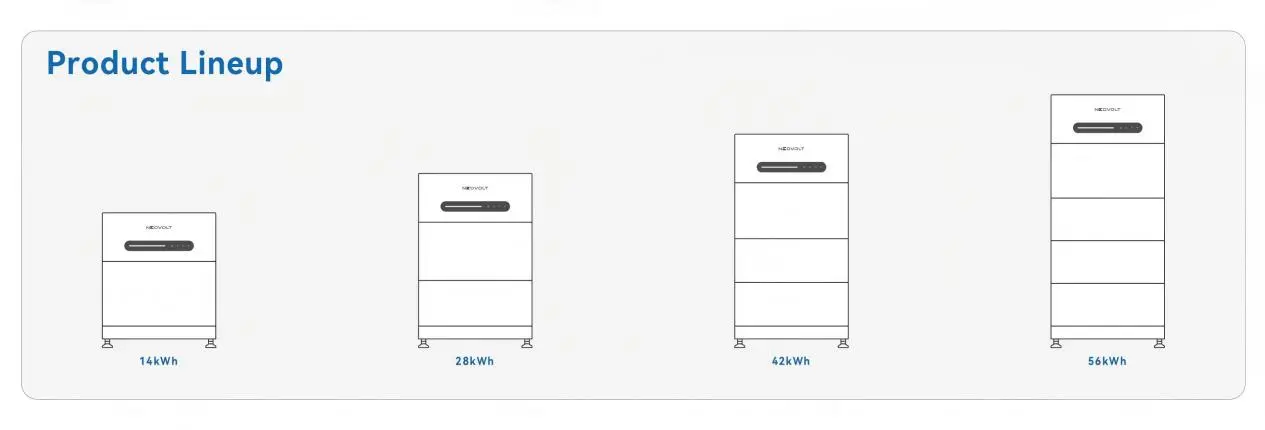
10. Range of Capacities – Available from 7kWh to 56kWh.
Available Capacities (All with IP66)
Ready to add the IP66 Stackable LiFePO4 Battery Module to your product range?
Call us: 07742 753873
Email: sales@sinoahenergy.com
WhatsApp:sinoahsinoah
Become a trade partner today and access competitive pricing, UK stock, and dedicated technical support.
FAQ:
Q1: What's the difference between IP65 and IP66?
A: IP65 protects against low-pressure water jets – fine for sheltered outdoor spots. IP66 withstands powerful water jets from any direction – essential for exposed external walls and coastal locations. For UK conditions with wind-driven rain, IP66 provides significantly better protection, especially in salt-laden coastal air that can corrode IP65 enclosures over time.
Q2:Why install a battery outdoors instead of inside?
A: Many UK homes lack internal space – small garages, cramped utility rooms, or insufficient wall strength. Outdoor installation solves all three:
· Saves internal space – use external walls or garden buildings
· No floor-loading concerns – install on a concrete slab
· Simpler fire safety – no ventilation or fire assessment requirements in most cases
Q3: Does IP66 protect against salt spray in coastal areas?
A: Yes. The IP66-rated enclosure is salt spray resistant, making it suitable for coastal installations where salt-laden air can corrode standard enclosures. The powder-coated steel construction provides additional corrosion protection, ensuring long-term reliability in coastal UK locations. For installers working in Cornwall, Devon, Wales, or Scotland, this is a significant advantage.
Hot Tags: IP66 Stackable LiFePO4 Battery Module, China, Manufacturer, Supplier, Factory
Related Category
Send Inquiry
Contact Info
-
Address
Neo bankside, 50 Holland Street, London, SE1 9FU, United Kindom
-
Tel
-
E-mail
If you have any inquiry about a quotation or cooperation, please feel free to email or use the following inquiry form. Our sales representative will contact you within 24 hours.