
Why Modular Home Battery Storage Is Becoming More Important for Solar Energy Systems
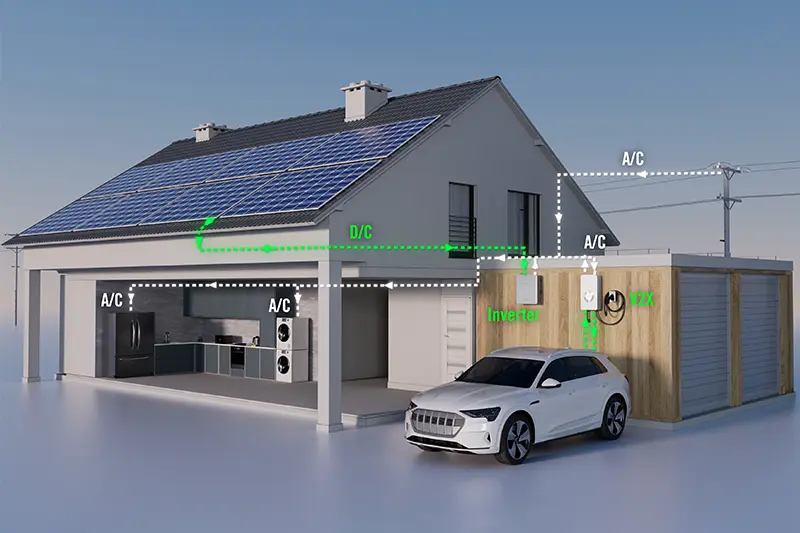
As residential solar installations continue to develop, homeowners and installers are paying closer attention to what happens to surplus electricity after it is generated. Solar panels produce energy mainly during daylight hours, while household demand often increases in the evening. Without sufficient storage capacity, part of the generated electricity may need to be exported to the grid instead of being used when household demand is higher.
This change is driving greater interest in modular battery energy storage systems. For installers and energy solution providers, the focus is no longer simply on battery capacity. Safety, usable energy, cycle life, installation flexibility, operating temperature, inverter compatibility, and future expansion are becoming equally important when selecting a residential storage solution.

Why Battery Capacity Alone Is Not Enough
Usable Energy Matters More Than Nominal Capacity
A battery's advertised capacity does not necessarily represent the amount of energy that can be used during normal operation. Depth of discharge, battery management settings, system efficiency, and operating conditions all influence usable energy.
For example, the Sinoah Energy 14kWh battery module has a rated energy of 14.06kWh and usable energy of 13.79kWh, with a specified depth of discharge of 98%. This gives installers a clearer reference when estimating how much stored electricity can actually be used within a residential energy system.
Different Homes Have Different Storage Requirements
A household with basic evening electricity consumption may not require the same storage capacity as a property equipped with an electric vehicle, heat pump, or multiple high-power appliances. Selecting excessive battery capacity can increase the initial investment, while insufficient capacity may limit solar self-consumption and backup performance.
This is why modular architecture is becoming an important consideration. Instead of designing every system around a fixed battery size, homeowners can begin with an appropriate capacity and expand storage as electricity consumption changes.
How Stackable LiFePO4 Technology Addresses Practical Installation Needs
Modular Expansion Without Replacing the Original System
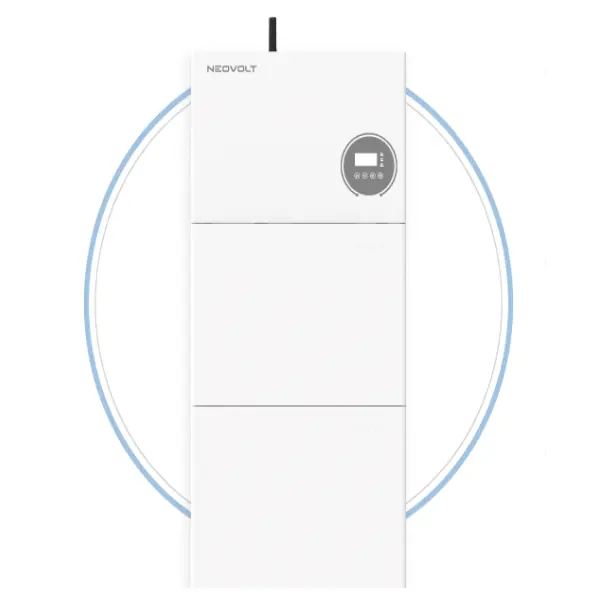
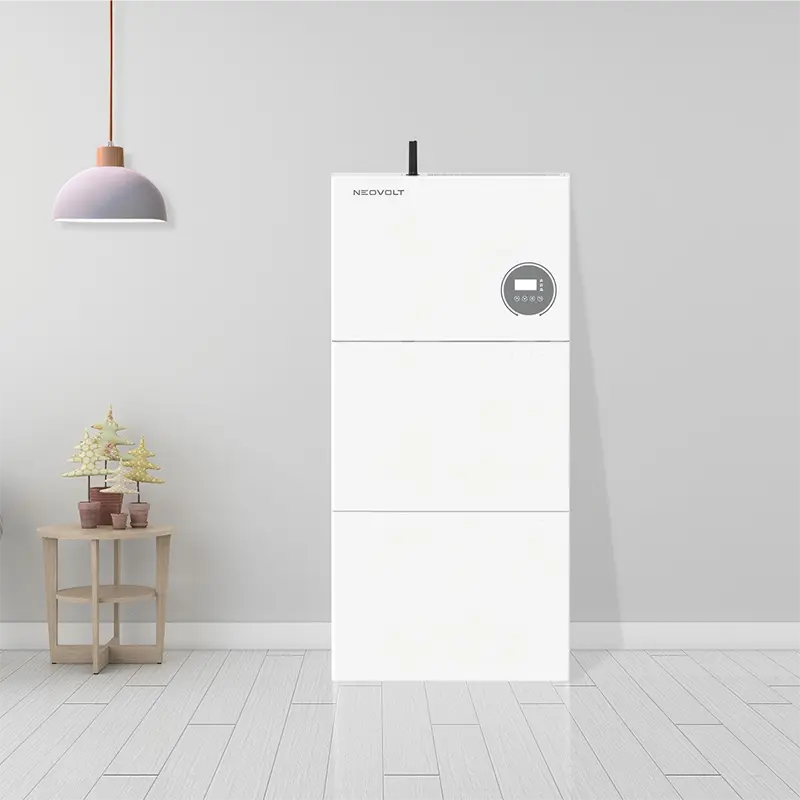
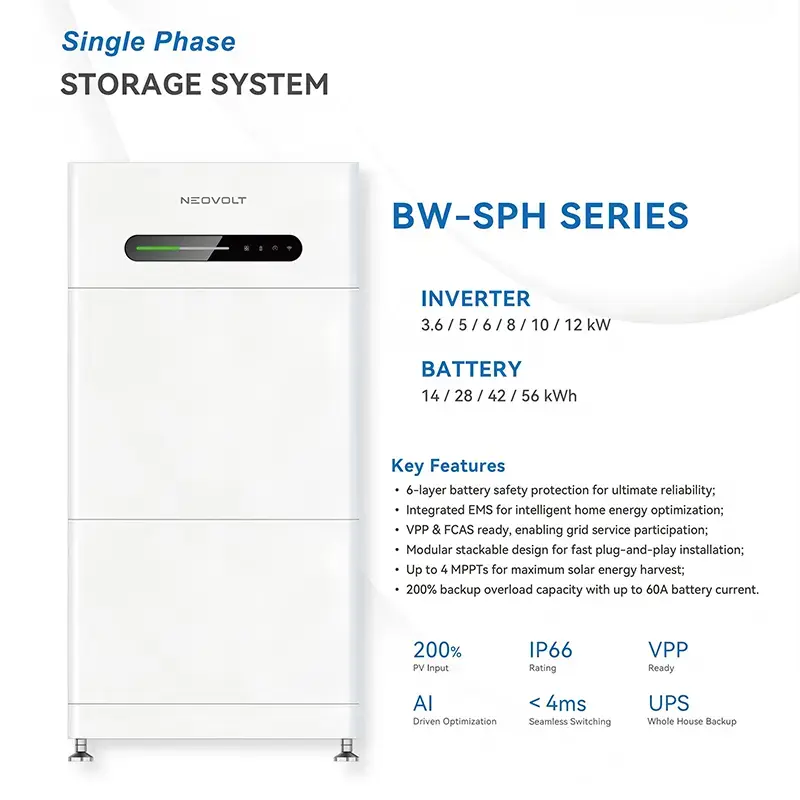
The Sinoah Energy 14kWh Stackable LiFePO4 Battery Module is designed as part of a scalable residential energy storage architecture. A single module can provide approximately 14kWh of rated energy, while multiple modules can be combined to increase total storage capacity.
The system supports up to four 14kWh modules in parallel, allowing the storage configuration to reach approximately 56kWh. This approach gives installers greater flexibility when designing systems for different property sizes and electricity consumption profiles.
For homeowners whose electricity demand increases later, such as after purchasing an electric vehicle, additional battery capacity can be considered without necessarily replacing the initial storage equipment.
Floor-Stacked Design Simplifies Installation
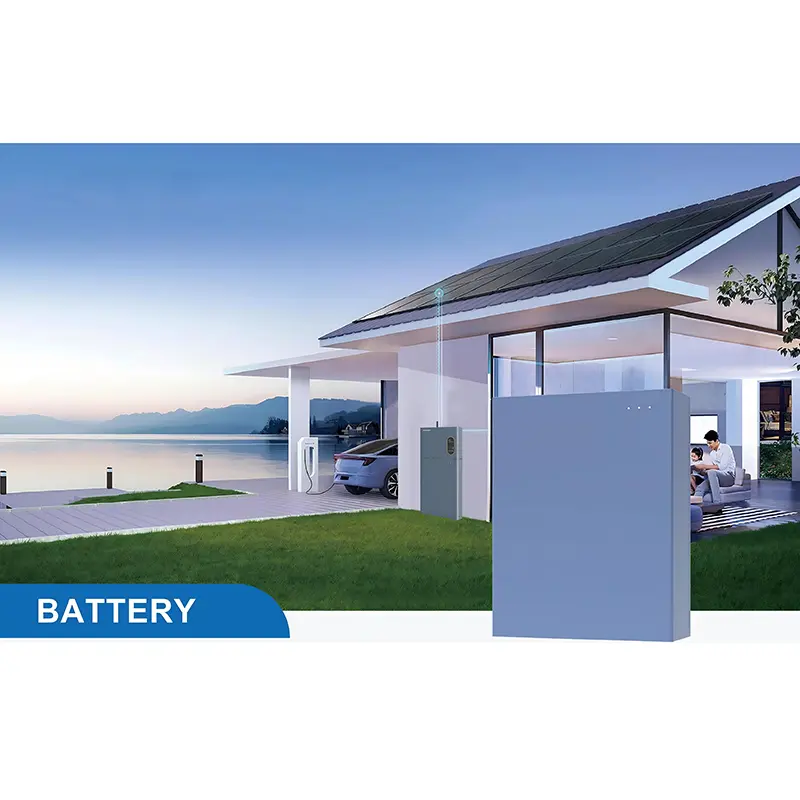
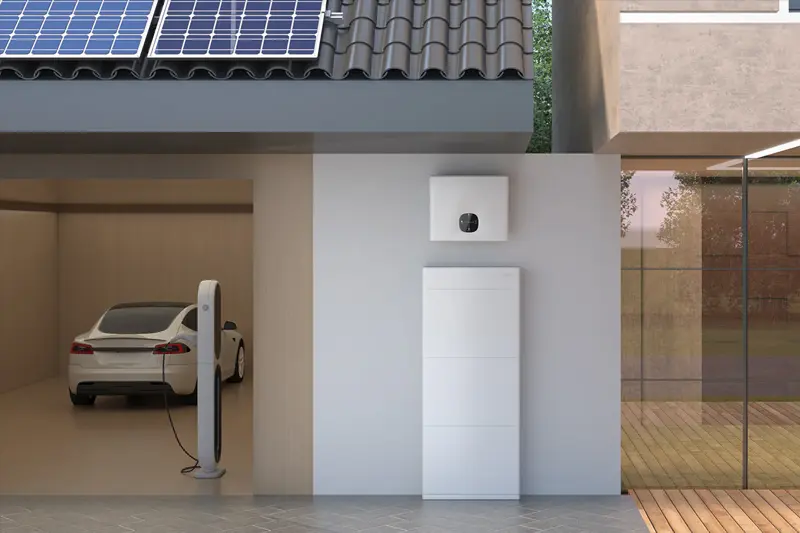
Residential battery installation can be affected by wall structure, available mounting space, cable routing, and equipment accessibility. A floor-stacked configuration provides an alternative for installations where wall mounting is impractical.
The Sinoah Energy module uses a floor-stacked mounting method with plug-and-play power and CAN communication connections. Its design is intended to reduce unnecessary installation complexity while providing a structured way to build a multi-module storage system.
Core Technical Parameters of the 14kWh Battery Module
| Parameter | Specification |
|---|---|
| Product Type | Stackable LiFePO4 Battery Module |
| Model | BW-BAT-14S1-H / BW-BAT-0752-H |
| Rated Energy | 14.06 kWh |
| Usable Energy | 13.79 kWh |
| Battery Chemistry | LiFePO4 (LFP) |
| Depth of Discharge | 98% |
| Nominal System Voltage | 350 V |
| Operating Voltage Range | 200–500 V |
| Maximum Charge / Discharge Current | 60A / 60A |
| Cycle Life | 8000+ cycles |
| Operating Temperature | -20°C to +50°C |
| Self-Heating | Yes, charging down to -20°C |
| Cooling Method | Natural Convection |
| Communication | CAN |
| Ingress Protection | IP66 |
| Mounting Method | Floor Stacked |
| Warranty | 10 Years |
| Certifications | IEC 62619, IEC/EN 62040, IEC/EN 62477, UN38.3, EU 2023/1542 |
According to Sinoah Energy's published product specifications, the module provides 8000+ cycle life, IP66 protection, natural convection cooling, CAN communication, and a 10-year warranty. These specifications are particularly relevant for installers comparing residential battery systems according to expected service life and installation environment.
Why LiFePO4 Chemistry Is Widely Used in Residential Storage
Safety and Long-Term Cycling
Lithium iron phosphate, commonly known as LiFePO4 or LFP, has become an important battery chemistry for stationary energy storage. Its characteristics make it suitable for applications where long service life and stable operation are important purchasing considerations.
The Sinoah Energy module uses LFP chemistry and incorporates battery management functions for voltage, temperature, and charging conditions. Its specified 8000+ cycle life also provides a useful reference for installers evaluating the expected long-term operating characteristics of the storage system.
Integrated Battery Management
A residential battery is not simply a group of cells connected together. The Battery Management System plays an important role in monitoring operating conditions, balancing cells, and controlling charging and discharging behavior.
For a modular storage system, BMS communication with the hybrid inverter is also important. The Sinoah Energy module uses CAN communication to support integration with compatible NeoVolt hybrid inverter systems, helping the inverter identify and manage the connected battery configuration.
Cold-Weather Performance Is Becoming a Practical Consideration
Battery installation locations are not always climate-controlled. Garages, utility rooms, external walls, garden buildings, and other semi-outdoor areas can experience low temperatures during winter. Charging lithium batteries at temperatures below their permitted charging range can create operational limitations.
The Sinoah Energy 14kWh module incorporates self-heating technology designed to enable charging at temperatures as low as -20°C. Combined with its IP66 enclosure, this provides installers with additional flexibility when evaluating installation locations in colder environments.
For projects in regions where winter temperatures regularly fall below freezing, low-temperature charging capability should therefore be included in the technical comparison rather than treated as an optional feature.
Application Scenarios for Modular Residential Energy Storage
Solar Self-Consumption
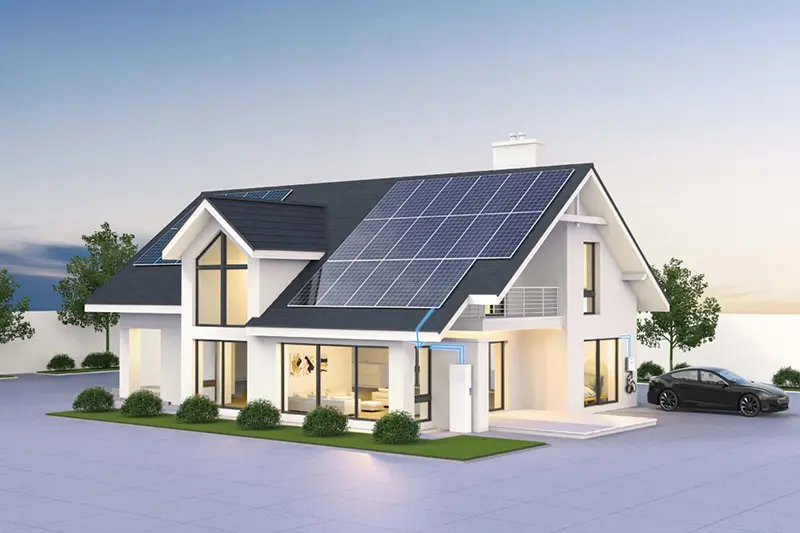
One of the most common applications is storing excess solar generation during the day and using the stored electricity later when household demand increases. This can help households increase the proportion of solar electricity consumed on-site.
Time-of-Use Energy Management
Where electricity tariffs vary according to time of day, battery storage can also be used to shift electricity consumption. The battery may charge when electricity costs are lower and discharge during higher-cost periods, subject to local tariffs, system configuration, and applicable regulations.
Residential Backup Power
Higher-capacity storage systems can also support backup power requirements when integrated with a compatible hybrid inverter and properly configured critical-load circuits. This is particularly relevant for households that need greater energy resilience during grid interruptions.
Future Electric Vehicle Integration
Electric vehicle ownership can significantly increase household electricity demand. A modular battery system provides an opportunity to increase storage capacity as energy requirements grow, rather than designing the entire system around future consumption from the beginning.
What Installers Should Evaluate Before Choosing a Battery
Battery capacity should be considered together with the household's annual electricity consumption, solar PV capacity, inverter power, peak loads, expected backup requirements, available installation space, local climate, and future energy demand.
Installers should also verify inverter compatibility, communication protocols, maximum charge and discharge current, system voltage range, installation method, protection rating, certification requirements, and warranty conditions before finalizing a system design.
These details are particularly important when selecting a 14kWh Stackable LiFePO4 Battery Module for a project where future expansion is expected. A technically suitable battery should not only meet today's energy requirements but also fit the intended system architecture.
Sinoah Energy's Approach to Residential Energy Storage
Sinoah Energy focuses on residential and commercial energy storage solutions, including LiFePO4 battery modules, hybrid inverters, and complete energy storage systems. The company states that its energy storage solutions are supported by UK warehouse stock, UK technical support, and a 10-year warranty.
Its modular battery range is designed around scalable energy storage, allowing installers to configure different capacities according to household electricity consumption and future requirements. The 14kWh module provides an intermediate capacity option for residential projects that require more storage than an entry-level battery while retaining the ability to expand later.
The Future of Residential Battery Storage Is Becoming More Flexible
The residential energy storage market is moving toward systems that can adapt to changing electricity consumption rather than remaining fixed throughout their service life. Solar generation, electric vehicle adoption, electricity tariffs, backup requirements, and household energy consumption can all change over time.
For this reason, modularity is becoming an important part of battery system design. A scalable architecture allows installers to balance initial investment against future capacity requirements while giving homeowners more flexibility as their energy needs develop.
With its LFP chemistry, 14.06kWh rated capacity, 13.79kWh usable energy, 8000+ cycle life, IP66 protection, self-heating capability, and expandable floor-stacked architecture, the 14kWh Stackable LiFePO4 Battery Module from Sinoah Energy provides a practical option for residential solar storage projects that require both present-day capacity and future expansion potential.
Previous :
-
Related News
Leave me a message