
News
We are glad to share with you about the results of our work, company news, and give you timely developments and personnel appointment and removal conditions.
 20 2026-08
 Why Modular Home Battery Storage Is Becoming More Important for Solar Energy Systems
As residential solar installations continue to develop, homeowners and installers are paying closer attention to what happens to surplus electricity after it is generated. Solar panels produce energy mainly during daylight hours, while household demand often increases in the evening. Without sufficient storage capacity, part of the generated electricity may need to be exported to the grid instead of being used when household demand is higher.
 17 2026-08
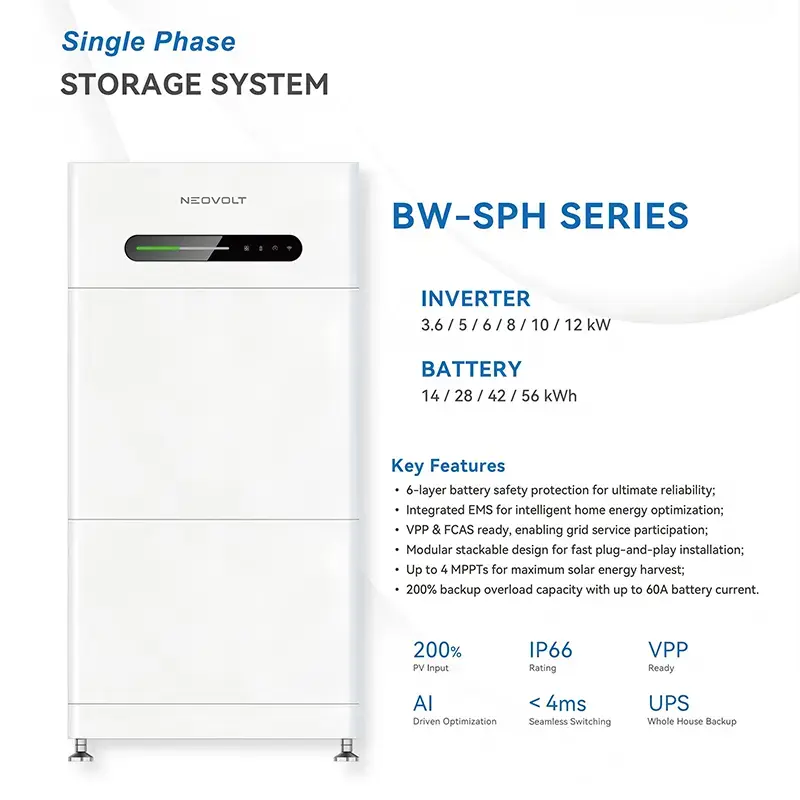
 Why Stackable LiFePO4 Battery Modules Are Gaining Attention in Energy Storage
As solar power and distributed energy systems continue to expand, the demand for flexible and reliable battery storage is increasing. Among current energy storage technologies, lithium iron phosphate (LiFePO4) batteries are becoming an important choice for residential and small commercial applications because of their stability, long service life, and modular configuration.
 24 2026-06
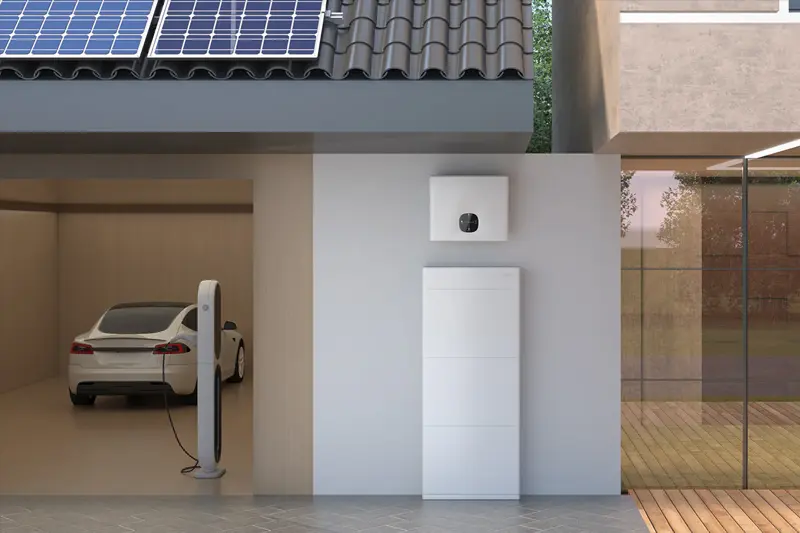
 How to Choose a Residential Energy Storage System
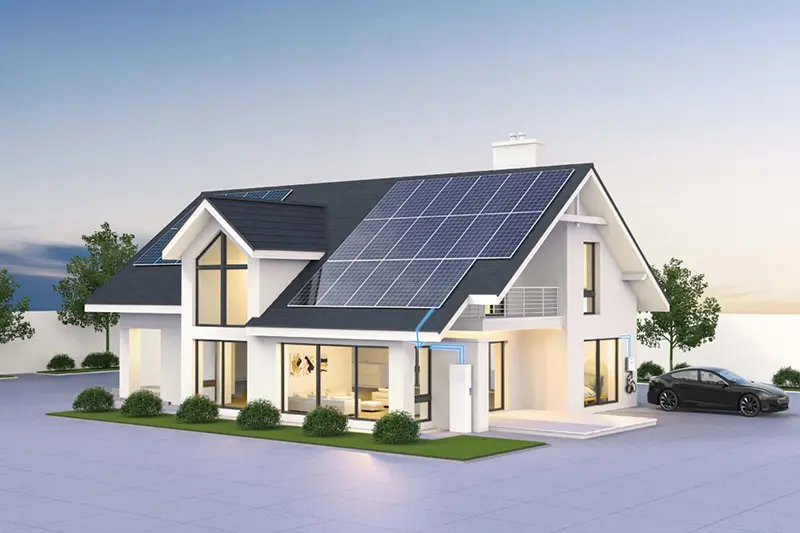
A complete residential energy storage system comprises PV panels, a single-phase hybrid inverter, a storage battery, and electrical distribution accessories. The selection process involves six key steps—sequentially evaluating requirements, loads, power ratings, battery specifications, functions, and budget—to ensure a clear path and avoid common pitfalls.
 24 2026-06
 What are the application scenarios for single-phase hybrid inverters?
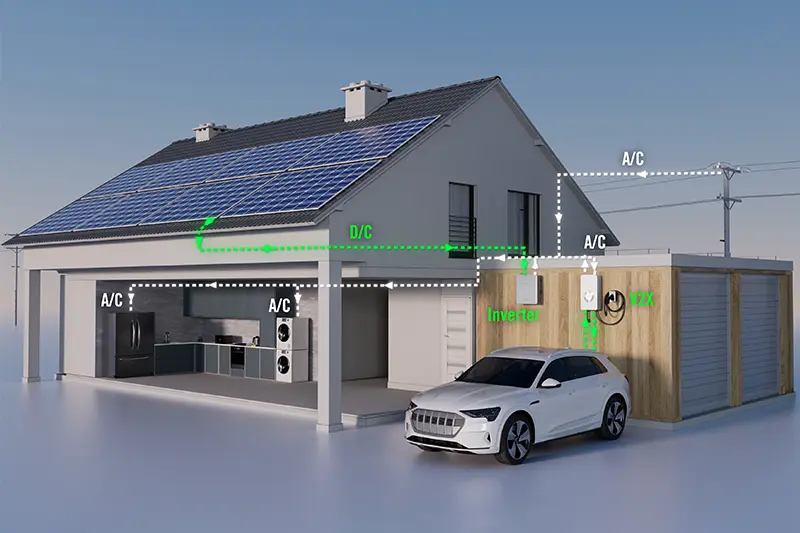
Mainstream single-phase hybrid inverters range from 3kW to 12kW and are designed for 220V single-phase residential power connections. They support three types of scenarios—grid-tied energy storage, blackout backup, and pure off-grid operation
 24 2026-06
 Advantages of Single-Phase Hybrid Inverters
The single-phase hybrid inverter is an all-in-one solar-plus-storage device designed for residential and small commercial 220V single-phase applications. It integrates PV inversion, bidirectional battery charging/discharging, and grid-tied/off-grid/backup power capabilities.