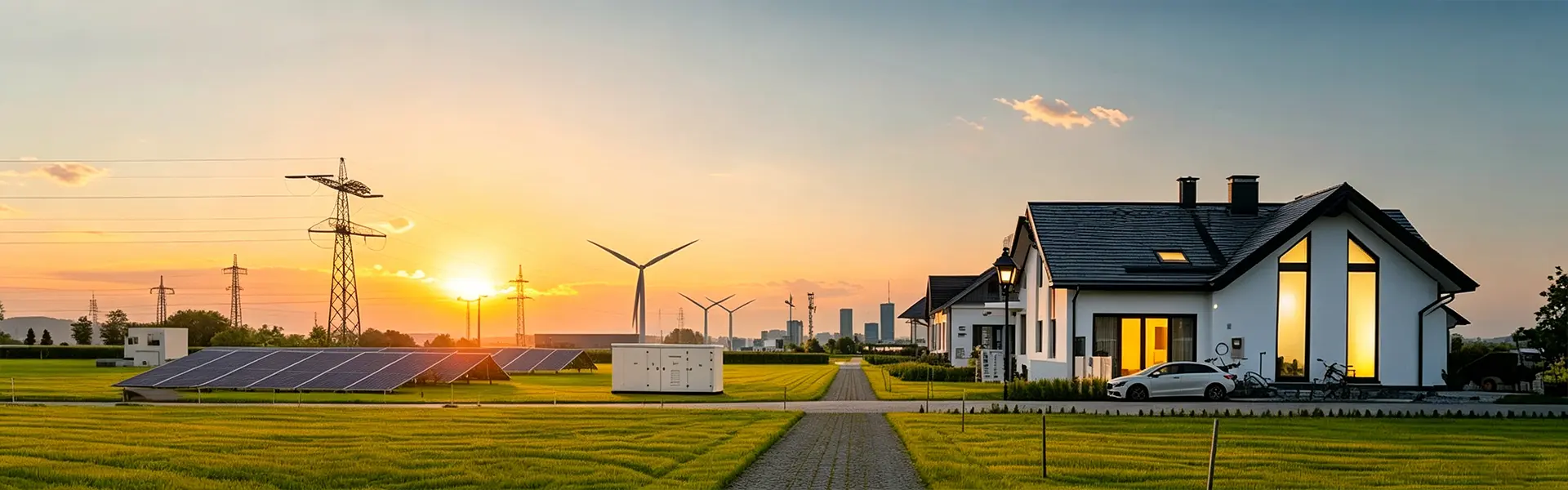
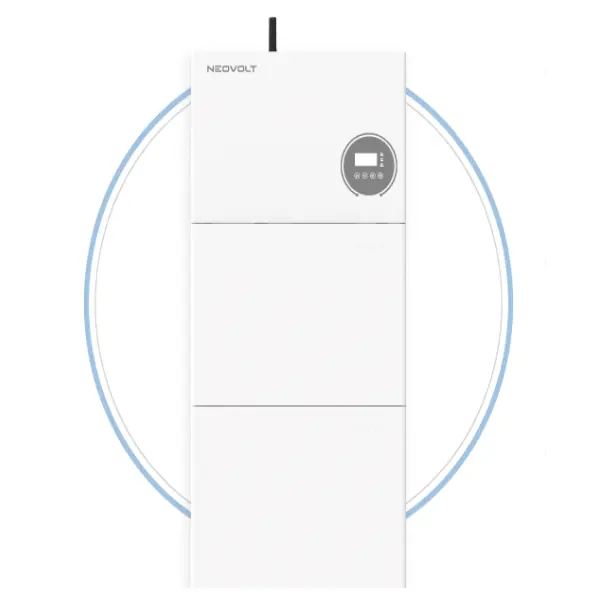
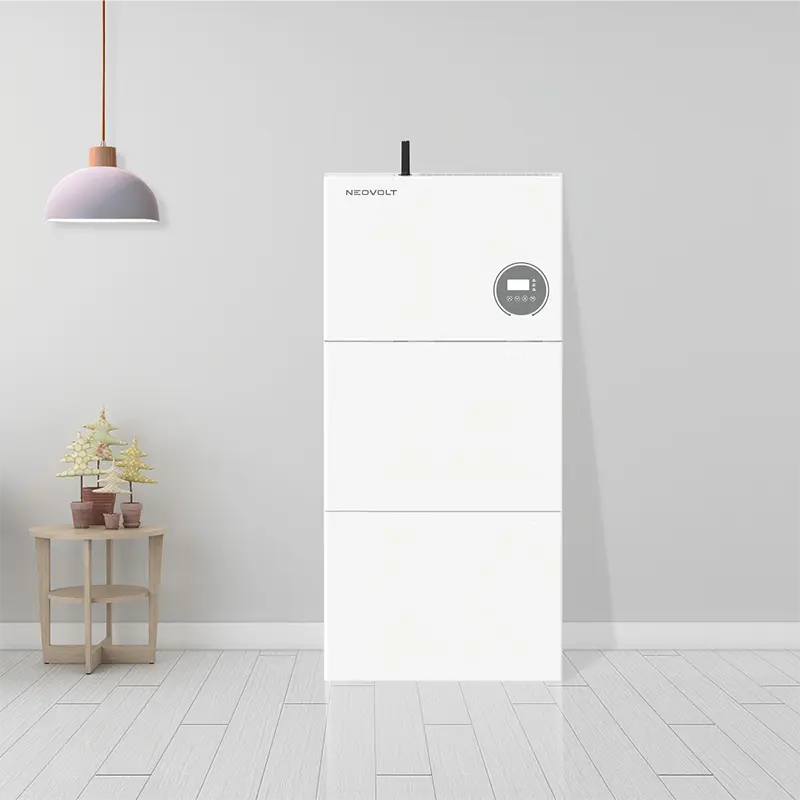
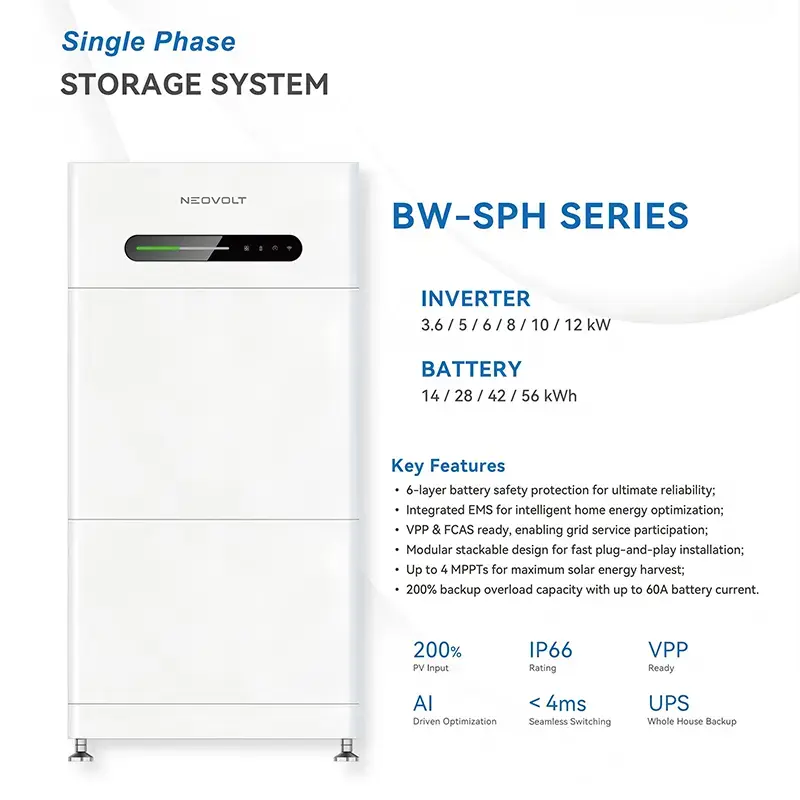
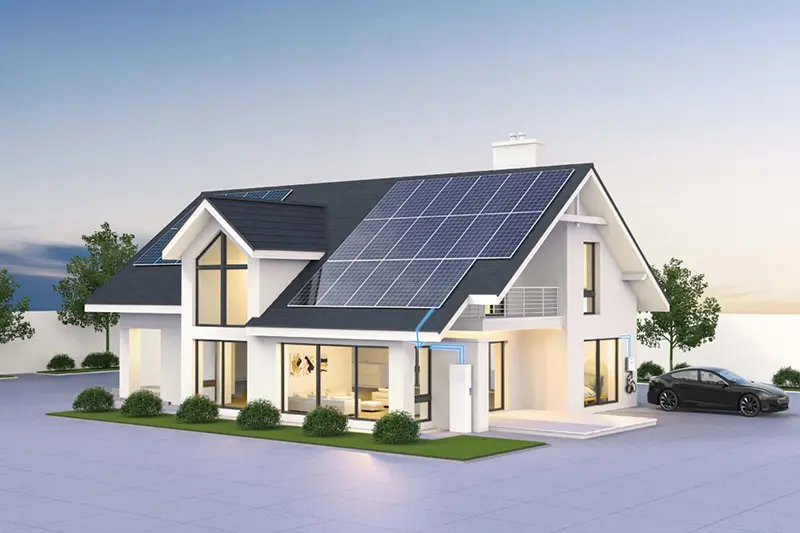
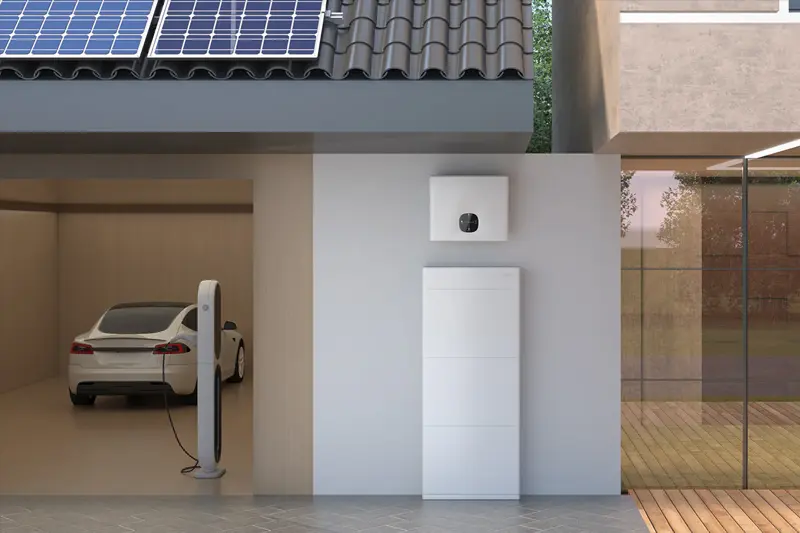
Mainstream single-phase hybrid inverters range from 3kW to 12kW and are designed for 220V single-phase residential power connections. They support three types of scenarios—grid-tied energy storage, blackout backup, and pure off-grid operation.
I. Urban Residential Housing (Most Common Scenario)
High-rise residential complexes
Standardized single-phase grid connections; rooftop or balcony PV installations paired with energy storage batteries enable self-consumption of solar power and peak-valley arbitrage. During power outages, they provide emergency power for critical loads such as lighting, refrigerators, and security monitoring systems.
Self-built rural homes and villas
Ample rooftop space for PV installation; in areas with unstable grids or frequent outages, hybrid inverters serve both daily energy storage and backup power needs, providing stable electricity for water pumps and whole-house appliances.
II. Small Single-Phase Commercial Premises
Street-front shops, convenience stores, bubble tea shops, and kiosks
Shops typically use single-phase connections with constant power consumption from air conditioners, freezers, and lighting. PV-plus-storage systems reduce daytime electricity costs, while discharging during peak-demand periods lowers high commercial electricity bills.
Small guesthouses and agritourism lodges
Often located in rural areas with poor grid quality; integrated PV-storage units save on electricity costs and ensure the continued operation of guest room lighting, hot water, and security systems during holiday power outages.
Small studios, hair salons, and showrooms
Low load requirements and exclusively single-phase equipment allow for the cost-effective setup of PV-plus-storage systems without the need to upgrade to three-phase wiring.
III. Off-Grid Scenarios (No Grid Access or Weak Grid)
Remote mountain cabins, caretaker huts, and forestry outposts
No connection to the national grid; an independent power system comprising PV panels, batteries, and a single-phase hybrid inverter supplies electricity for lighting, monitoring, and small appliances.
Island aquaculture sheds and offshore caretaker stations
Wiring for grid connection is prohibitively expensive; off-grid mode provides stable 220V sinusoidal power 24 hours a day, suitable for water pumps, monitoring systems, and small refrigeration units.
Temporary power supply for RVs and campsites
Supports low-power single-phase loads; integrates PV charging and battery inversion into a single unit for independent outdoor power supply.
IV. Scenarios requiring backup power (areas with unstable grid supply)
Rural areas with voltage instability or frequent power rationing
Switches to off-grid mode within milliseconds during grid maintenance or peak-summer load shedding, ensuring uninterrupted power for essential household loads.
Small-scale sites requiring continuous power supply
Small surveillance server rooms, greenhouse control systems, and small-scale livestock climate control equipment; prevents equipment damage and losses of crops or livestock caused by power outages.
V. Specialized small-scale application scenarios
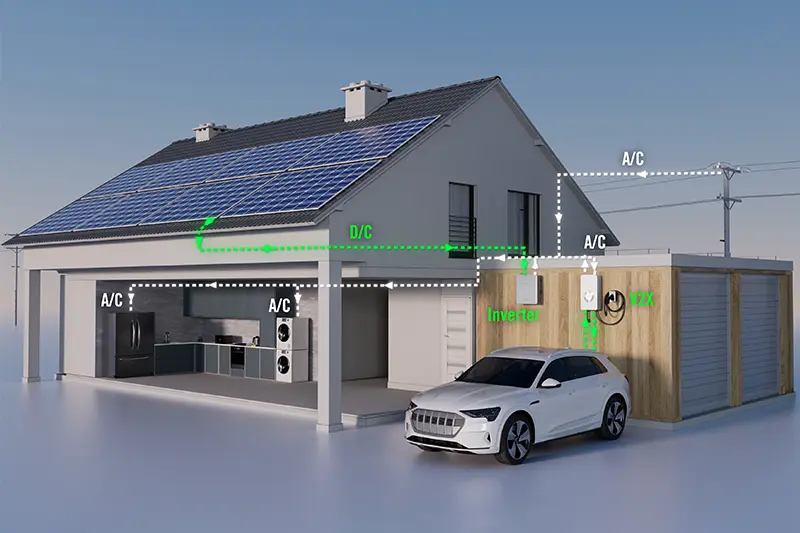
Energy storage paired with residential EV chargers
Single-phase residential EV chargers paired with PV energy storage; stores solar energy during the day to charge vehicles at night using off-peak electricity rates, thereby reducing charging costs.
Small-scale irrigation and garden water supply systems
Single-phase water pumps for rural courtyards or small vegetable gardens; utilizes PV energy storage for autonomous water supply, reducing reliance on grid electricity.
Small-scale energy storage for time-of-use arbitrage
Integrated residential PV and energy storage systems for urban housing complexes; leverages the price difference between peak and off-peak electricity—charging during off-peak hours and discharging during peak hours—to lower household electricity expenses.
We use cookies to offer you a better browsing experience, analyze site traffic and personalize content. By using this site, you agree to our use of cookies.Privacy Policy