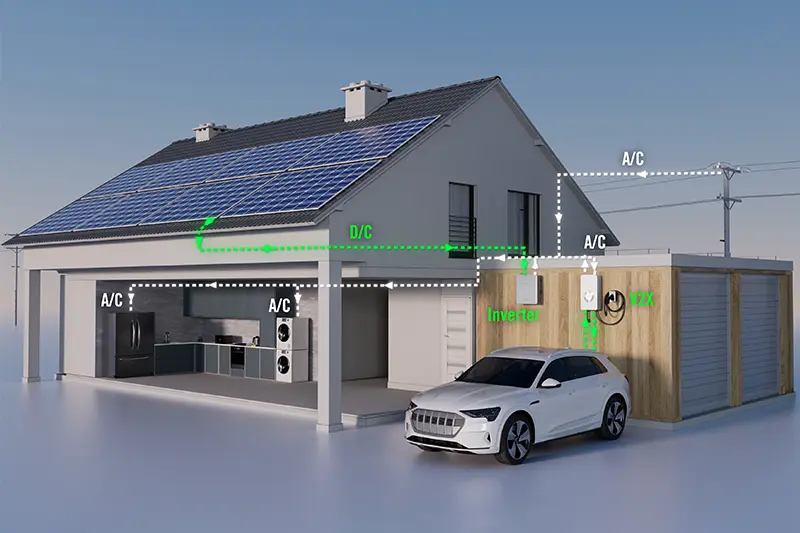
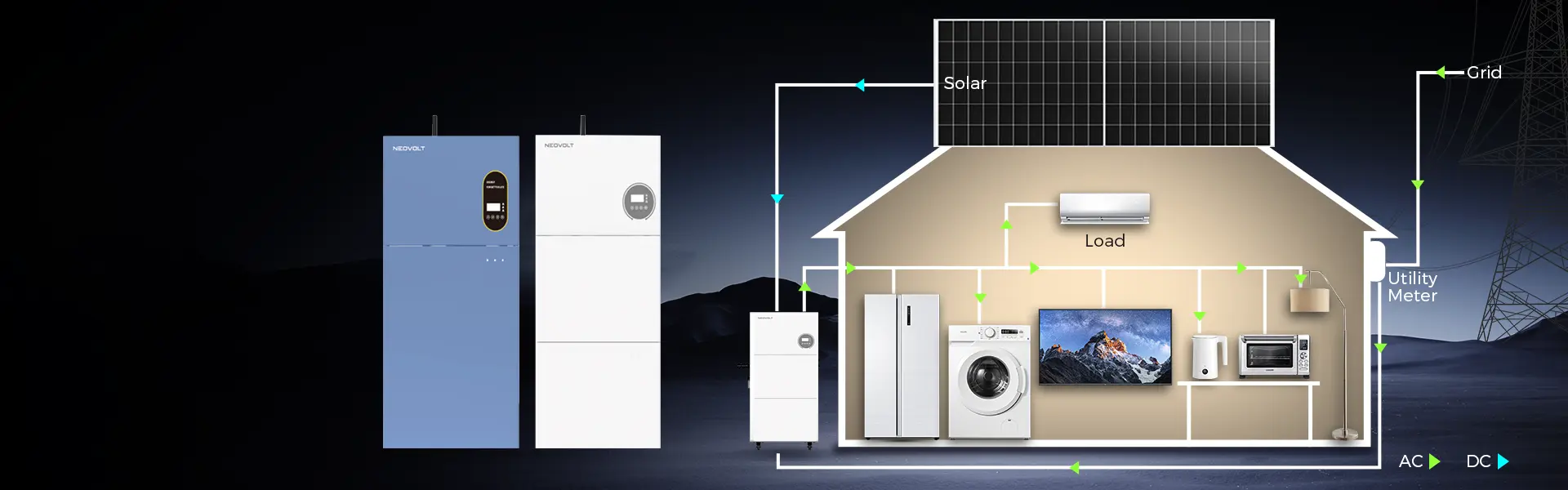
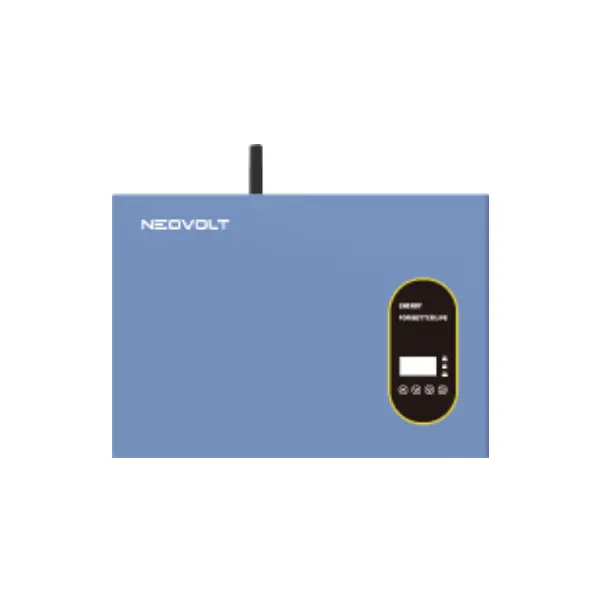
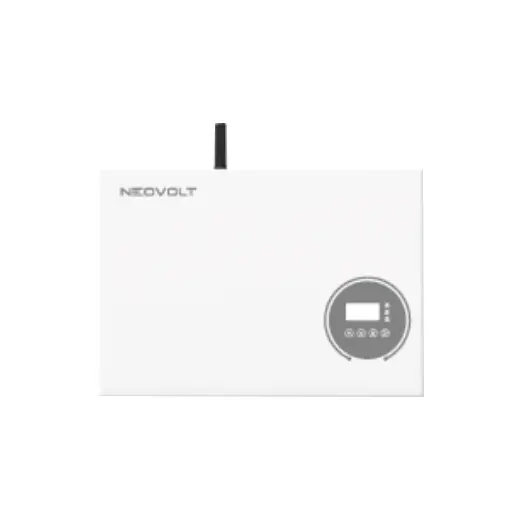

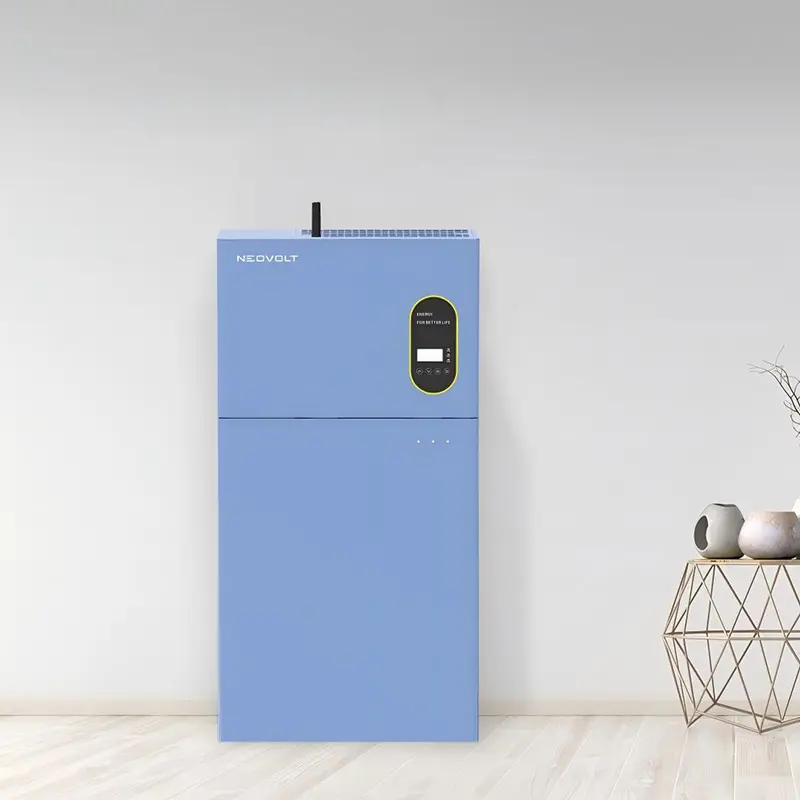
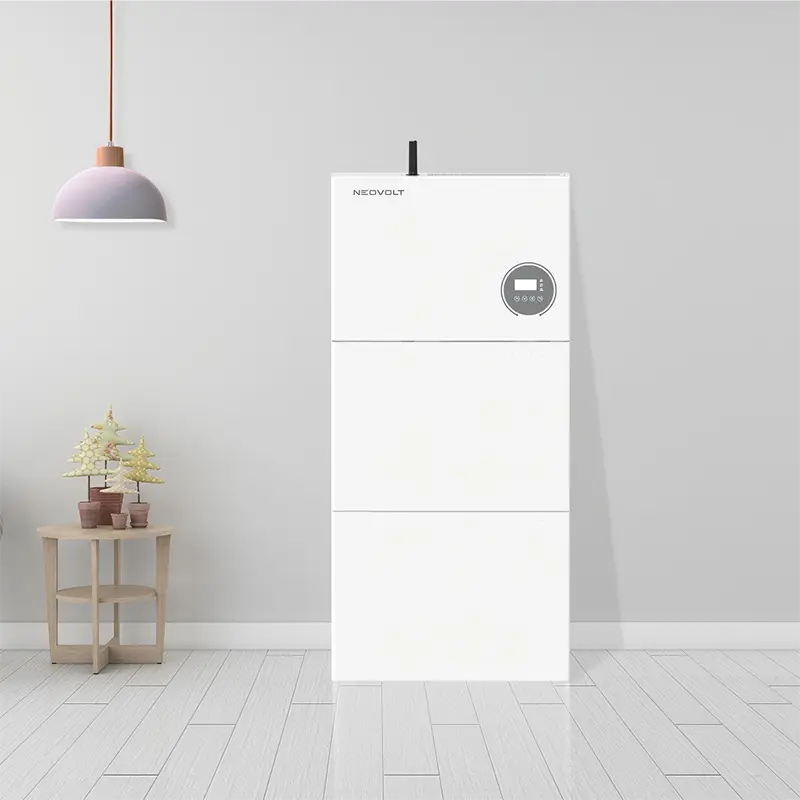
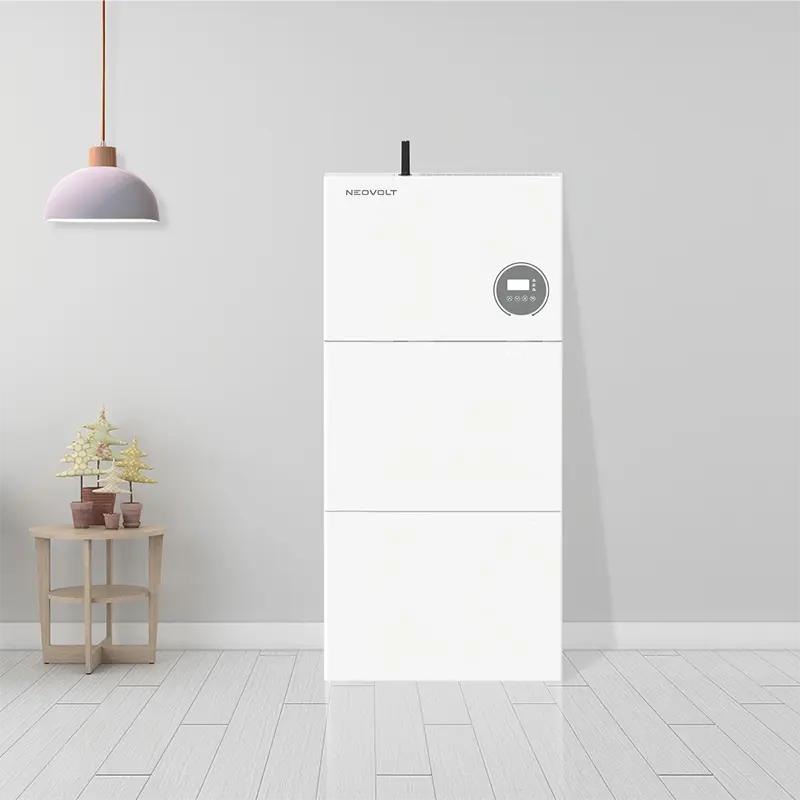
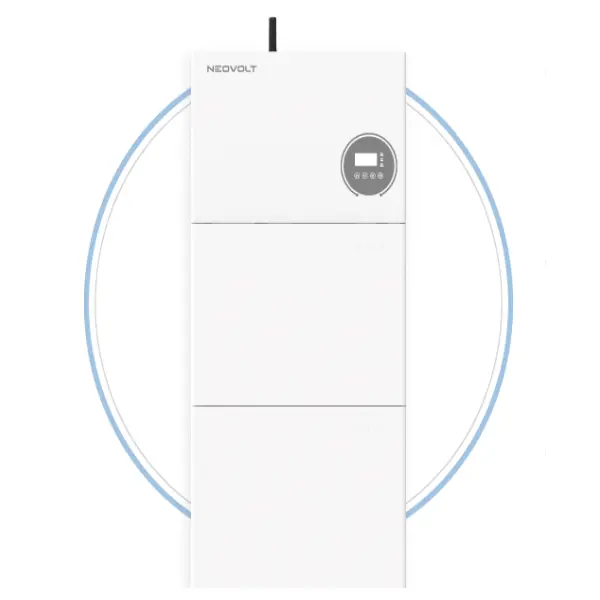
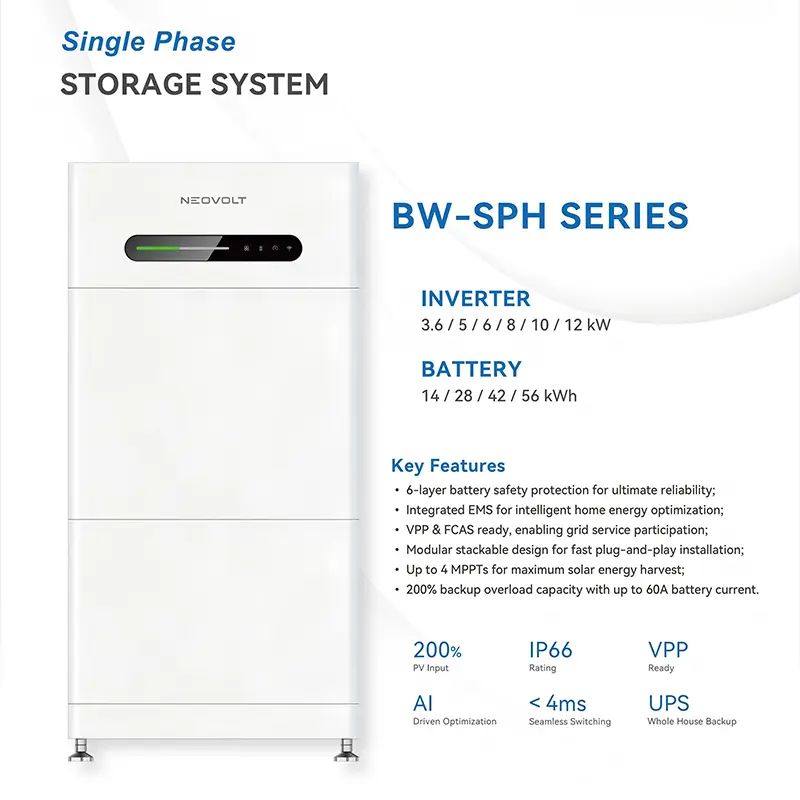
Single Phase Hybrid Inverter with 4 MPPT
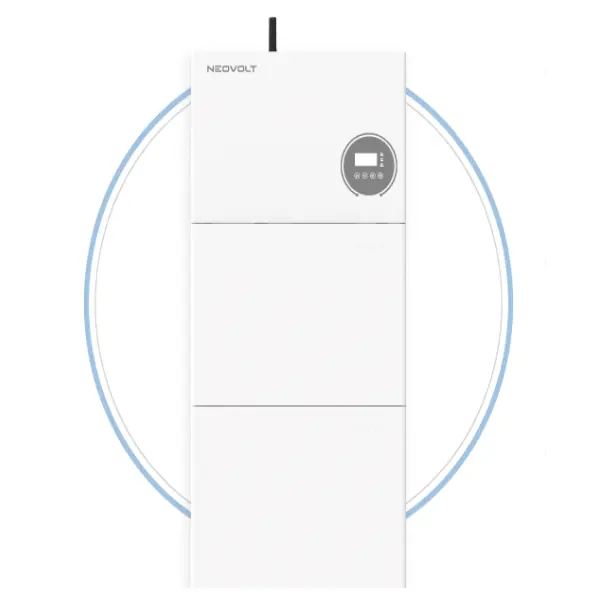
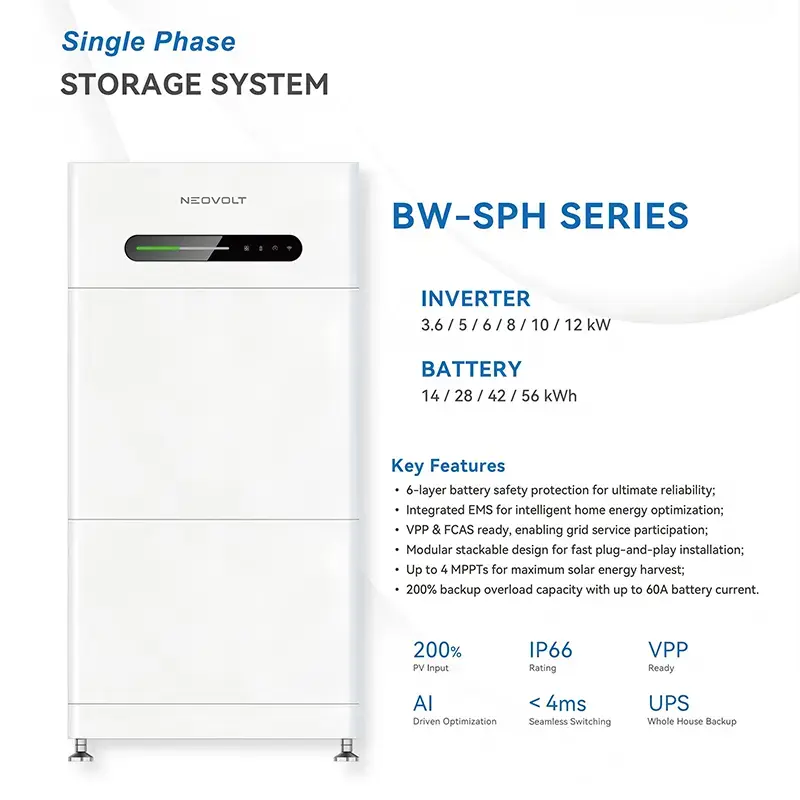
The Sinoah Single Phase Hybrid Inverter with 4 MPPT is a high-performance G4 series inverter engineered for UK homes with complex, multi-orientation roofs and large solar arrays. Manufactured by NeoVolt, a Chinese power electronics manufacturer with over a decade of inverter R&D and production experience, this 8–12kW unit features four independent MPPT trackers to maximise energy harvest from east, south, and west-facing panels.
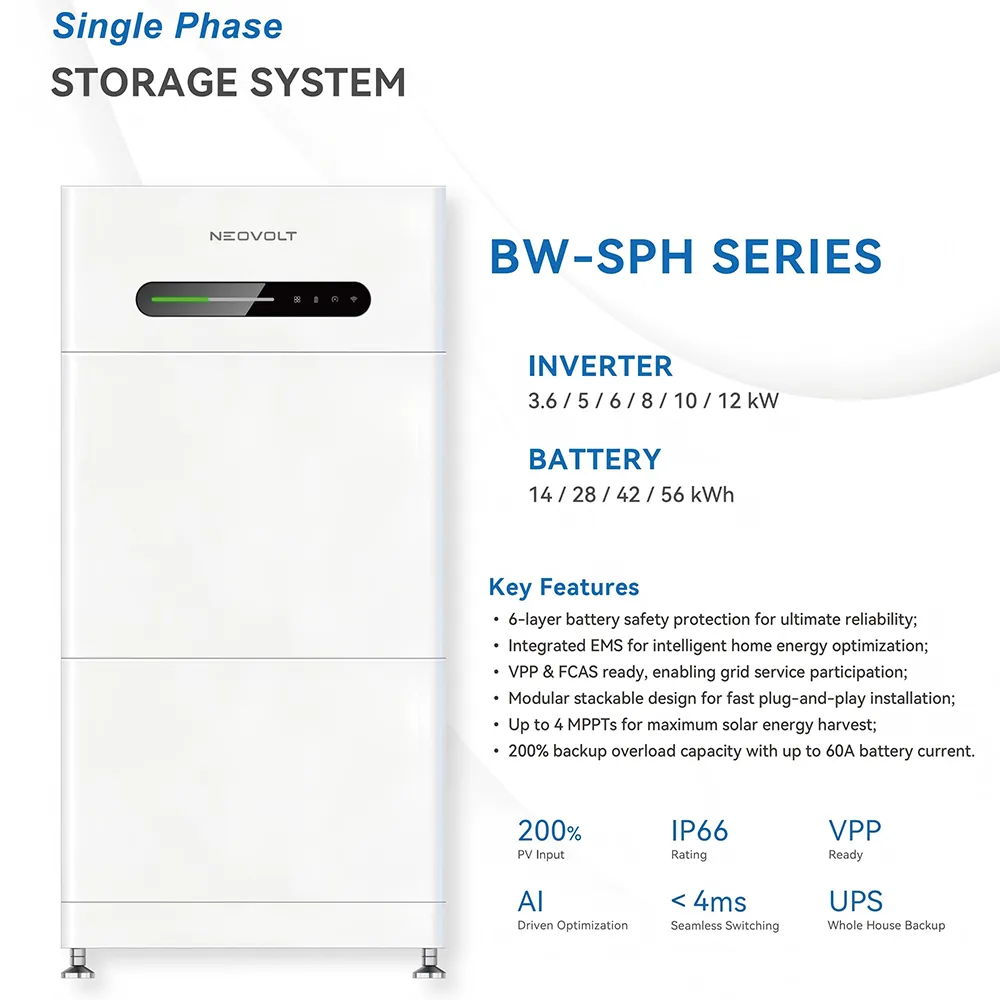
As a trusted supplier to the UK market, Sinoah Energy stocks this Single Phase Hybrid Inverter with 4 MPPT in our UK warehouse for fast delivery to installers and trade partners nationwide. With IP66 weatherproof rating, sub-4ms UPS switching, 200% DC oversizing, and seamless whole-home backup capability, the Single Phase Hybrid Inverter with 4 MPPT delivers the highest level of solar capture efficiency available in a single-phase residential storage system.
PARAMETERS
| InverterModel | BW-INV-SPH3.6KA | BW-INV-SPH5KA | BW-INV-SPH6KA | BW-INV-SPH8KA | BW-INV-SPH10KA | BW-INV-SPH12KA |
| PVSide | ||||||
| Max.DC Input Power(kW) | 7.36 | 10 | 12 | 16 | 20 | 24 |
| Max.DC Input Voltage(V) | 600 | |||||
| MPPT Voitage Range(V) | 40~550 | |||||
| Start-up Voltage(V) | 50 | |||||
| Nominal DC Input Volitage (V) | 380 | |||||
| Max.MPPT Current(A) | 20 | |||||
| Max.MPPT Short Circuit Current(A) | 30 | |||||
| Number of MPPTs | 3 | 3 | 3 | 4 | 4 | 4 |
| Number of Strings per MPPT | 1/1/1 | 1/1/1 | 1/1/1 | 1/1/1/1 | 1/1/1/1 | 1/1/1/1 |
| BatterySide | ||||||
| Battery Type | LFP | |||||
| Battery Voltage Range (V) | 80~486 | |||||
| Max.Continuous Charging/Discharging Current(A) | 60/60 | |||||
| ACSide(On-grid) | ||||||
| Nominal Power(kW) | 3.68 | 5/4.6(DE) | 6 | 8 | 10/9.9(AU) | 12 |
| NominalApparent Power to Grid (kVA) | 3.68 | 5/4.6(DE) | 6 | 8 | 10/9.9(AU) | 12 |
| Max.Apparent Power to Grid(kVA) | 3.68 | 5/4.6(DE) | 6 | 8 | 10/9.9(AU) | 12 |
| Max.Apparent Power from Grid(kVA) | 15 | 15 | 15 | 15 | 15 | 15 |
| Max.Curren to Grid (A) | 16 | 21.7/20(DE) | 26 | 34.7 | 43.4/43 (AU) | 52.1 |
| Max.Current from Grid(A) | 63 | 63 | 63 | 63 | 63 | 63 |
| Nominal Voltage(V) | 220/230,L/N/PE | |||||
| Nominal Frequency (Hz) | 50/60 | |||||
| Power Factor | ~1(Adjustable from 0.8 leading to 0.8 lagging) | |||||
| THDi | <3% | |||||
| ACSide(Backup) | ||||||
| Nominal Output Apparent Power(kVA) | 3.68 | 5 | 6 | 8 | 10 | 12 |
| Max.Output Apparent Power(kVA) | 3.68 | 5 | 6 | 8 | 10 | 12 |
| Max.Output Apparent Power(Bypass)(KVA) | 15 | 15 | 15 | 15 | 15 | 15 |
| Max.Output Current (A) | 16 | 21.7 | 26 | 34.7 | 43.4 | 52.1 |
| Max.Output Current(Bypass)(A) | 63 | 63 | 63 | 63 | 63 | 63 |
| Nominal Output Voltage (V) | 220/230,L/N/PE | |||||
| Norminal Output Frequency (Hz) | 50/60 | |||||
| THDv(@Linear Load) | <3% | |||||
| Efficiency | ||||||
| Max.Eficiency | 97.7% | |||||
| European Efficiency | 97.0% | |||||
| Protection | ||||||
| Safety Protection Feature |
PV String Current Monitoring,PV Insulation Resistance Detection,Residual Current Monitoring,PV Reverse Polarity Protection, Safety Protection Feature Battery Reverse Polarity Protection,Anti-lslanding Protection,AC Overcurrent Protection,AC Short Circuit Protection, ACOvervoltage Protection,DC Surge Protection Type ll,AC Surge Protection Typel,RSD (Option),AFCI,Remote Shutdown |
|||||
| GeneralData | ||||||
| Operating Temperature Range (C) | -25~60 | |||||
| Communication | WiFi/RS-485/ETH/4G/PLC(Optional) | |||||
| Communication Protocols | Modbus-RTU,Modbus-TCP | |||||
| Dimensions(W×H×Dmm) | 690*240*295.5 | |||||
| Weight (kg) | 19 | 19.5 | ||||
| Cooling Method | Natural Convection | Smart Forced Air Cooling | ||||
| Topology | Transformerless | |||||
| Ingress Protection | IP66 | |||||
| Grid Connection Standard |
VDE-AR-N4105:2018,G98,G99,C10/11:2021.NTS 631,RD647:2020 UNE 217002:2020,CEI 0-21,VDE 0126-1-1,NRS 097-2-1,AS/NZS 4777.2:2020,EN 50549-1 |
|||||
| Safety Standard | IEC62109-1/-2 | |||||
A Common Question from Installers:“Is It Really Four MPPTs?”
We get this question a lot from UK installers browsing the G4 series specification sheet. They see“BW-SPH” and assume all models share the same MPPT configuration. But there’s a important distinction: only the 8kW, 10kW, and 12kW models feature four independent MPPT trackers. The 3.6kW, 5kW, and 6kW G4 models–while offering the same IP66 rating and sub-4ms UPS switching–retain two MPPT trackers, which is perfectly adequate for smaller arrays and simpler roof layouts.
This distinction matters. When an installer quotes a 5kW system for a home with panels on three roof faces, they’ll get excellent performance. But when they quote an 8kW+ system for a larger home with multiple orientations, the four MPPT version delivers significantly more energy–and the installer can confidently specify the right model for the job.
The UK Roof Problem: Why Two MPPTs Are Not Enough for Large Installations
UK homes with large solar arrays (6kWp+) typically have panels spread across multiple roof slopes. A typical large detached home might have:
·East-facing: 6 panels (2.4kWp)–peak generation in the morning
·South-facing: 10 panels (4.0kWp)–peak generation at midday
·West-facing: 6 panels (2.4kWp)–peak generation in the afternoon
Total array: 8.8kWp across three roof faces.
A standard two-MPPT inverter would force two of these orientations to share a tracker–typically east and west, since they’re on opposite sides of the roof. This forces both strings to operate at a compromise voltage. The result? Generation loss on both orientations, wasted solar energy, and lower ROI for the homeowner.
TheSinoah 8kW, 10kW, and 12kW Single Phase Hybrid Inverter with 4 MPPT solves this by providing four independent MPPT trackers–one for each roof orientation. Each string operates at its individual maximum power point, capturing 5–10% more annual solar energy than a two-tracker inverter.
Four MPPT Trackers: Real-World Test Data
An installer we work with in the South East fitted two comparable 8kWp systems on adjacent homes–both with panels spread across south, east, and west roof slopes. One home received a two-MPPT inverter; the other received the 8kW Single Phase Hybrid Inverter with 4 MPPT.
After 12 months of monitoring, the data was conclusive: the four-MPPT system generated 6.8% more energy than the two-MPPT system–476kWh extra over the year. At current electricity prices (25p/kWh), that’s an additional £119 in savings. Over the 25-year lifespan of the solar system, that adds up to nearly £3,000–more than enough to justify the upgrade to a four-MPPT model.
The reason is straightforward: on a multi-orientation roof, the east-facing panels peak in the morning, south-facing panels peak at midday, and west-facing panels peak in the late afternoon. A two-MPPT system forces multiple strings to operate at a compromise point. With four MPPTs, each orientation operates at its peak independently, capturing more energy across a broader portion of the day.
Which Model Has Four MPPTs?
It’s important to be clear about the product range. Across the G4 series, the 8kW, 10kW, and 12kW variants each feature four MPPT trackers–making them the ideal choice for large residential and small commercial installations with complex roof geometries. The 3.6kW, 5kW, and 6kW models offer two MPPT trackers, perfectly suited for smaller homes with simpler roof layouts.
|
Model |
MPPT Trackers |
Best For |
|
SPH3.6K / 5K / 6K |
2~3 |
Smaller homes, simple roof layouts |
|
SPH8K / 10K / 12K |
4 |
Large homes, complex roofs, high energy demand |
This distinction is critical for installers: always check the specific model when specifying systems. The Single Phase Hybrid Inverter with 4 MPPT capability is reserved for the high-power models–and for good reason, as large arrays are the ones that benefit most from additional tracking.
IP66 Rating: Built for the UK Climate
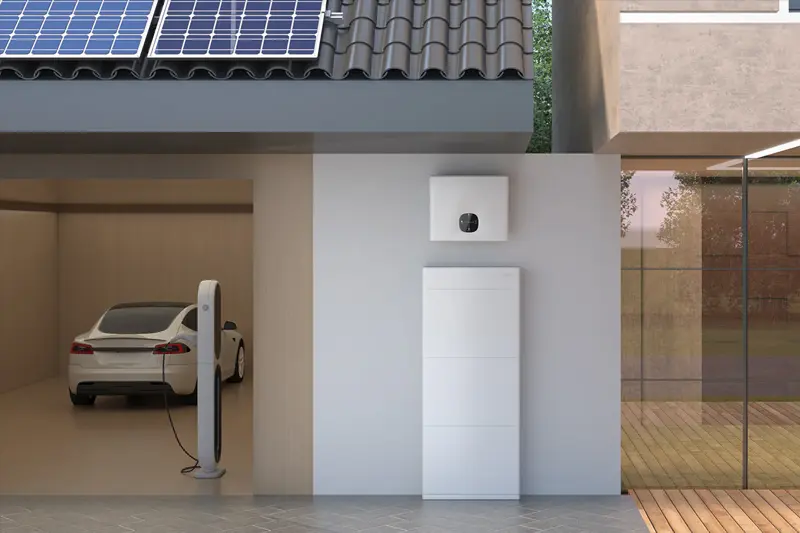
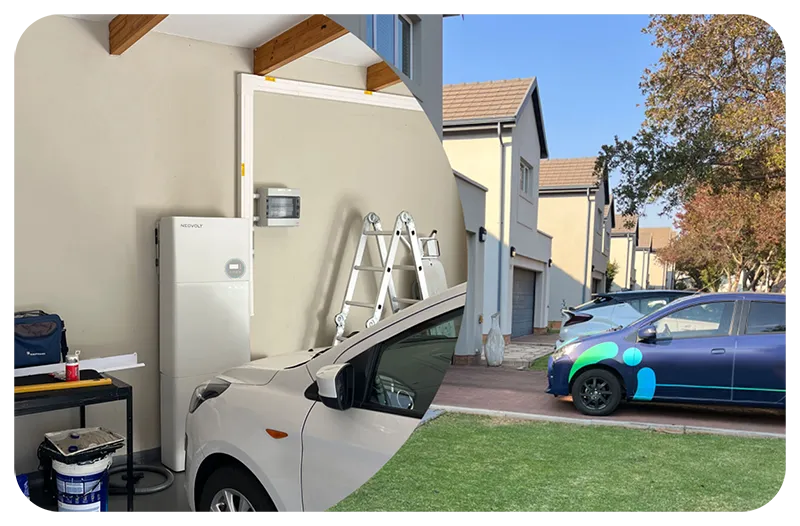
The Single Phase Hybrid Inverter with 4 MPPT carries an IP66 ingress protection rating–fully protected against dust and powerful water jets from any direction. For UK installers, this means installation flexibility:
·External walls–No weather enclosure needed, even on exposed elevations
·Open carports–Protected against rain and snow
·Coastal locations–Salt spray resistance built in
·Garages and outbuildings–No concerns about moisture ingress
The powder-coated steel enclosure ensures long-term durability–a practical advantage for installations across the UK’s variable climate.
Sub-4ms UPS: Whole-Home Backup That Works
When the grid fails, the Sinoah Single Phase Hybrid Inverter with 4 MPPT switches to battery power in under 4 milliseconds–fast enough to keep routers, computers, smart home systems, and medical equipment running without interruption.
With the optional backup box and a suitably sized battery stack (28-56kWh), the inverter provides true whole-home backup–not just a few essential circuits. The 200% surge capacity (up to 24kVA on the 12kW model) handles the startup surge of heat pumps, fridges, and other inductive loads.
Designed for UK Installers: Feedback from the Field
We asked a UK MCS-certified installer who has fitted over 40 G4 systems what makes the 4-MPPT model stand out.
“The four MPPT trackers are the reason I specify these models for larger jobs. When you’ve got east, south, and west-facing panels on a single roof, the difference in generation is significant. The installation itself is straightforward–the terminals are clearly labelled, cable entry points are generous, and the mounting bracket is simple. I can install a 4-MPPT system in the same time as a 2-MPPT system, but my customer gets significantly more energy for the same labour cost.”
Smart forced air cooling–The inverter uses intelligent cooling that activates only when needed. During low-load periods, operation is silent. During peak summer output, the cooling system prevents derating–maintaining full power even during heatwaves.
Plug-and-play battery connectivity–The CAN communication interface ensures seamless integration with NeoVolt stackable battery modules.
Real-World Application: The 5-Bedroom Home with Complex Roof
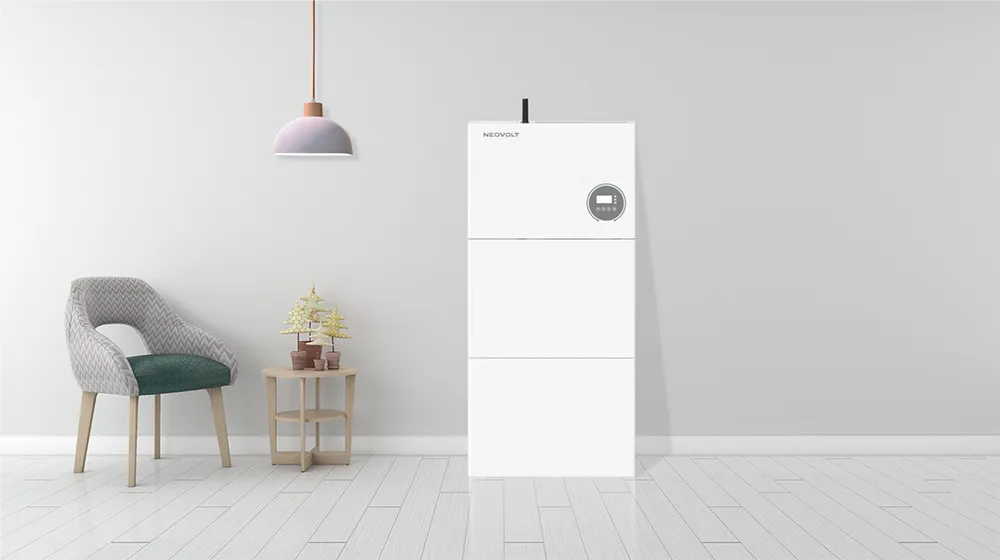
Consider a 5-bedroom detached home in the South West with an 8.8kWp solar array distributed across three roof slopes. The home also has an air-source heat pump and an electric vehicle. Annual electricity consumption: 8,500kWh.
A two-MPPT inverter would force the east and west strings to share a tracker, losing 3–5% of annual generation. The NeoVolt 8kW Single Phase Hybrid Inverter with 4 MPPT connects each orientation to its own MPPT tracker–each operating independently at its peak.
The result: the four-MPPT system captures 6–7% more energy annually–approximately 530–620kWh extra per year. At 25p/kWh, that’s an additional £130–£155 in annual savings. Over 25 years: £3,250–£3,875.
200% DC Oversizing: Future-Proof Capacity
The Single Phase Hybrid Inverter with 4 MPPT accepts 200% DC oversizing–up to 16-24kW input depending on the model. This provides substantial headroom for future expansion.
Safety and Protection: Comprehensive Coverage
The inverter includes PV string current monitoring, insulation resistance detection, residual current monitoring, anti-islanding protection, DC and AC surge protection (Type II), AFCI, and remote shutdown capability.
Technical Specifications
|
Parameter |
Specification |
|
Inverter Model |
BW-INV-SPH8K (G4 Series) BW-INV-SPH10K (G4 Series) BW-INV-SPH12K (G4 Series) |
|
Rated AC Output |
8 kW 10 kW 12 kW |
|
Max. PV Input Power |
16 kW 20 kW 24 kW (200% oversizing) |
|
Max. PV Input Voltage |
580V |
|
MPPTVoltageRange |
100~550V |
|
MPPT Trackers |
4 |
|
Max.MPPT Input Current |
15A / 15A / 15A / 15A |
|
Battery Type |
LiFePO4 (Lithium Iron Phosphate) |
|
Battery Voltage Range |
80-450V |
|
UPS Swithing Time |
<4 ms |
|
Maximum Efficiency |
97.7% |
|
European Efficiency |
97% |
|
Max. Charge/Discharge Current |
60A / 60A |
|
Operating Temperature Range |
-25°C~60°C |
|
Ingress Protection |
IP66 |
|
Cooling |
Smart Forced Air Cooling |
|
Dimensions (W*H*D) |
690×240×295.5mm |
|
Weight |
19.5kg |
|
External Communication |
RS-485 / WIFI /LAN /Bluetooth / PLC (Optional) |
|
Warranty |
10 Years |
Why Choose the 4-MPPT Inverter from Sinoah Energy
1. Maximum Solar Harvest–Four independent MPPT trackers capture 5–10% more energy from complex roofs than standard 2-MPPT inverters.
2. UK Stock, Fast Delivery–Sinoah Energy maintains inventory in our UK warehouse.
3. Factory Direct Pricing–Direct from facility with over a decade of experience.
4. 10-Year Warranty–Long-term confidence for installers and homeowners.
5. Technical Support–UK-based team provides pre-sales consultation, installation guidance, and after-sales support.
6. G99 Certified–Full UK grid compliance.
7. IP66 Weatherproof–Suitable for any UK installation location.
8. Sub-4ms Whole-Home Backup–Seamless power during grid outages.
Ready to add the Single Phase Hybrid Inverter with 4 MPPT to your product range?
Contact us and become a trade partner today and access competitive pricing, UK stock, and dedicated technical support.
FAQ:
Q1: Do I really needSingle Phase Hybrid Inverter with 4 MPPT trackers for my home?
A: It depends on your roof. If your solar panels are spread across three or more roof orientations (e.g., south-facing + east-facing + west-facing), four MPPT trackers will capture 5–10% more annual energy than a two-MPPT system. For a simple south-facing array on a single roof plane,2 MPPTs are sufficient. For complex roofs,4 MPPTs deliver significantly better ROI.
Q2: How much extra energy does4 MPPT trackers actually generate compared to2?
A: In real-world installations with panels on multiple roof orientations (e.g., south + east + west), four MPPT trackers typically generate 5–10% more annual energy than a two-MPPT system. For an 8kWp array, that‘s 400–800kWh extra per year – worth £100–£200 in savings at current electricity prices, and £2,500–£5,000 over the solar system‘s lifetime.
Q3: Does 4 MPPT make installation more complicated or expensive?
A: Not at all. The four MPPT inputs are clearly labelled and accept standard PV connectors. Installation time is comparable to a two-MPPT inverter – the difference is in the wiring, not the complexity. You get significantly more energy for the same labour cost.
Hot Tags: Single Phase Hybrid Inverter with 4 MPPT Manufacturer, 4MPPT Hybrid Inverter Supplier, Single Phase Hybrid Inverter Wholesale
Related Category
Send Inquiry
Contact Info
-
Address
Neo bankside, 50 Holland Street, London, SE1 9FU, United Kindom
-
Tel
-
E-mail
If you have any inquiry about a quotation or cooperation, please feel free to email or use the following inquiry form. Our sales representative will contact you within 24 hours.