News

How to Choose a Residential Energy Storage System

2026-06-24 0 Leave me a message

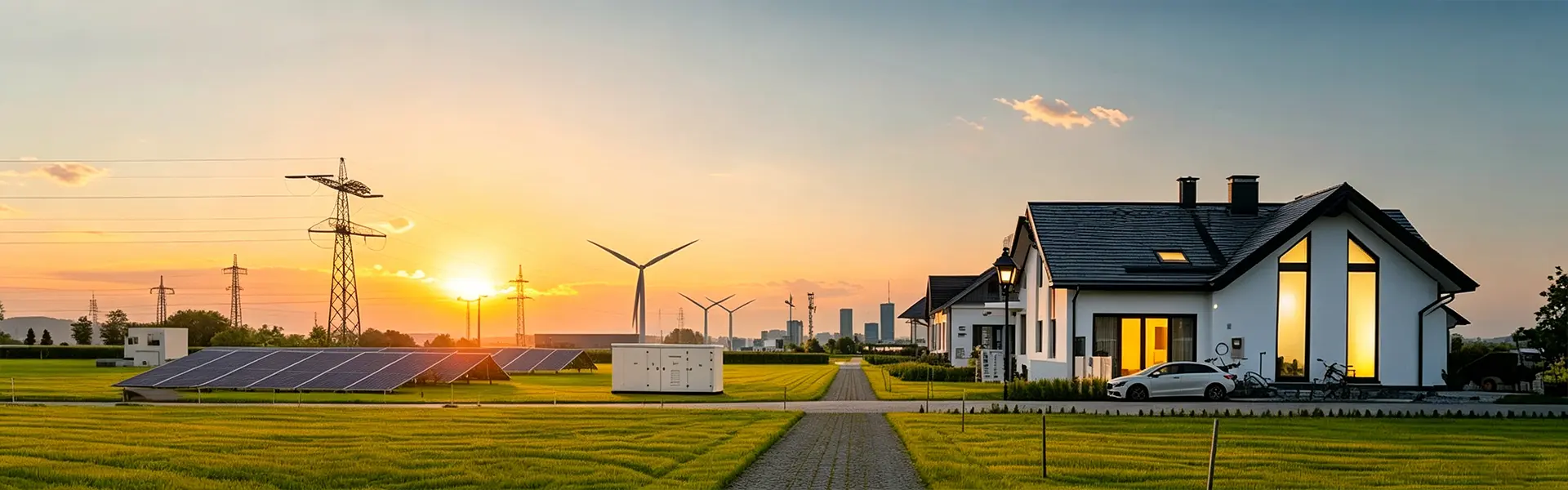
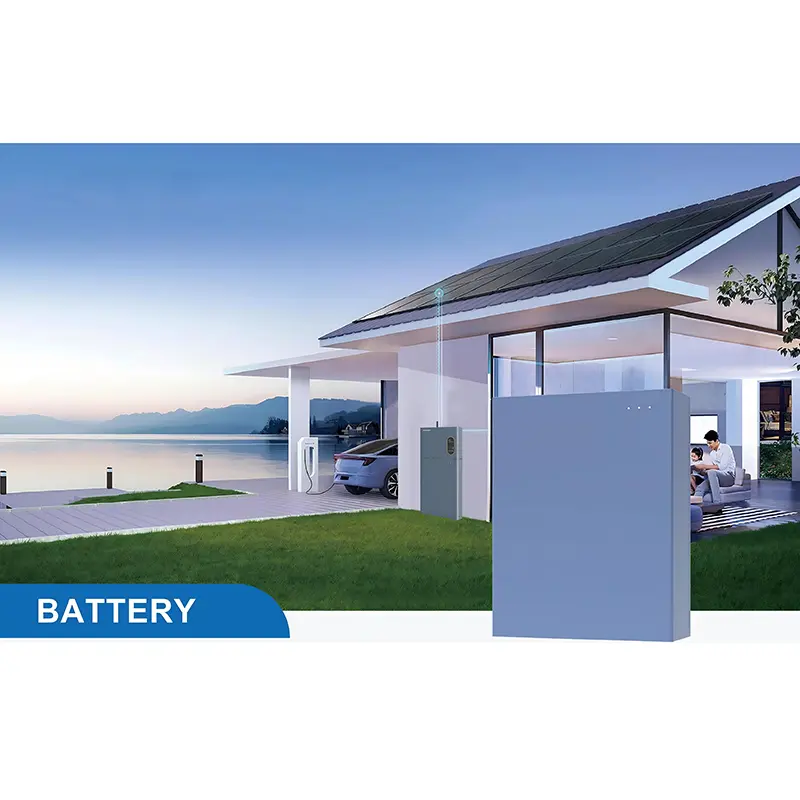
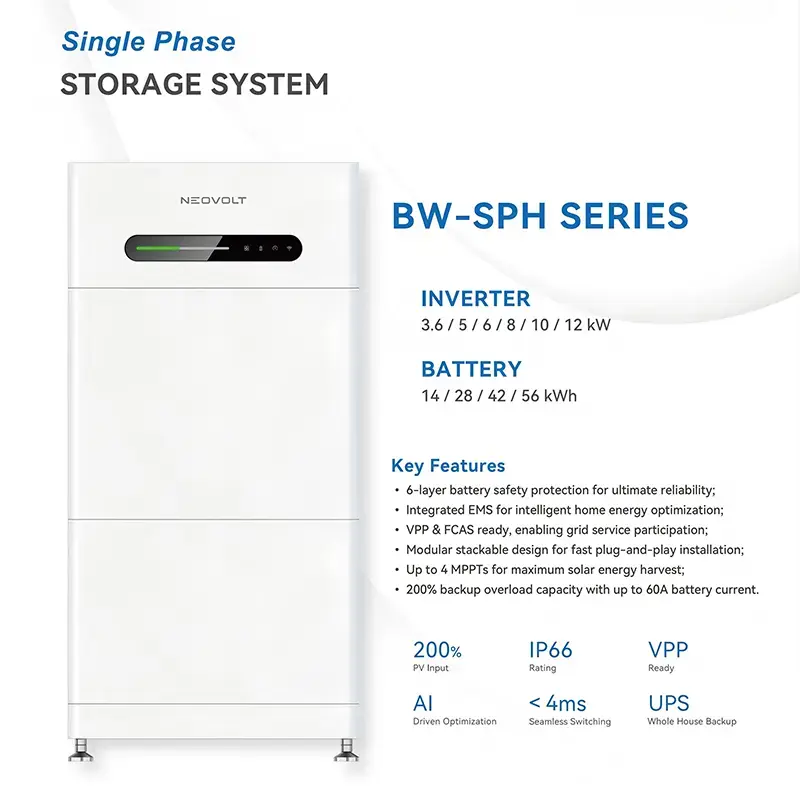
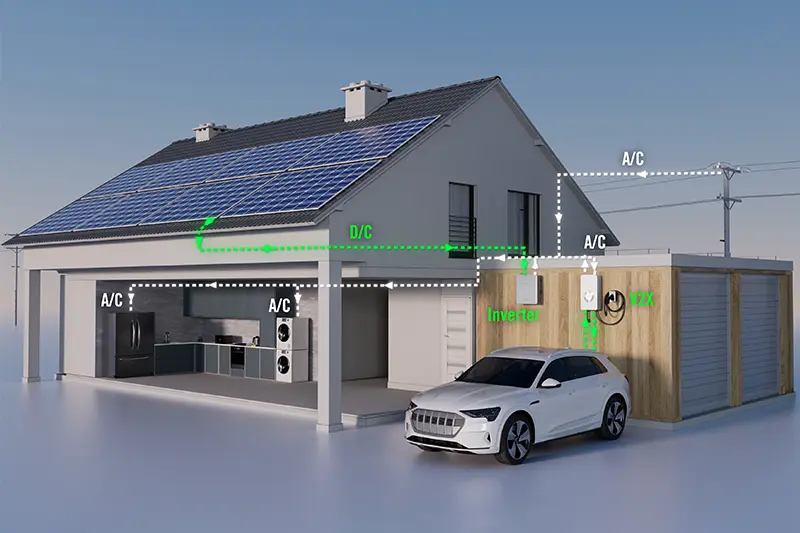
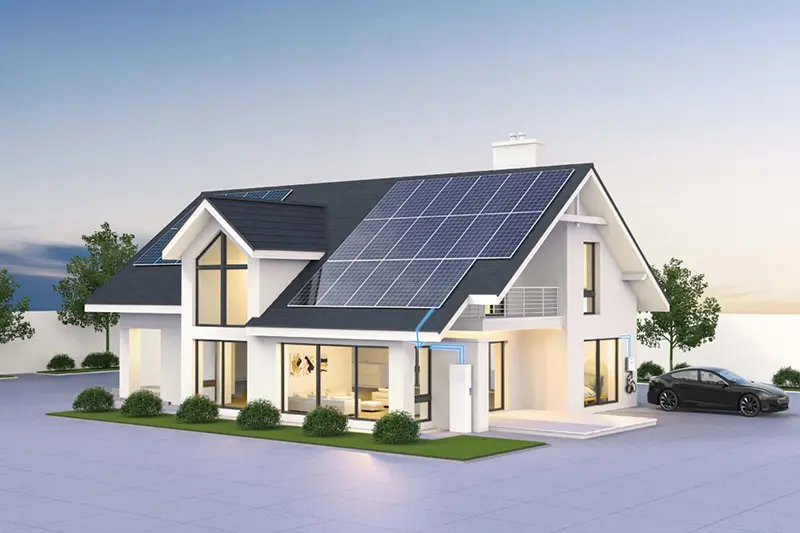
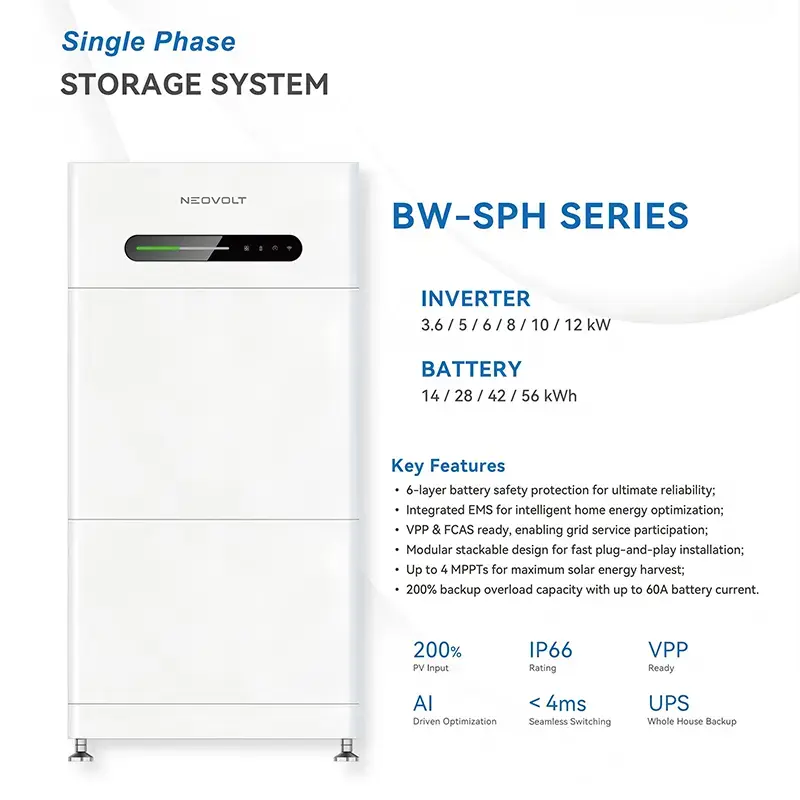
A complete residential energy storage system comprises PV panels, a single-phase hybrid inverter, a storage battery, and electrical distribution accessories. The selection process involves six key steps—sequentially evaluating requirements, loads, power ratings, battery specifications, functions, and budget—to ensure a clear path and avoid common pitfalls.

I. Step 1: Define Your Core Needs (Determines System Configuration)

1. Peak-Valley Arbitrage / PV Self-Consumption

  • Store PV energy during the day and use it at night
  • Focus on electricity savings, not backup capability
  • Prioritize high-efficiency hybrid inverter
  • Battery capacity matched to nighttime consumption

2. Emergency Backup for Power Outages

  • Suitable for frequent outages or unstable grid areas
  • Must support UPS-level switching (≤20ms)
  • Identify all critical loads (AC, fridge, lighting, pumps)
  • Battery sized based on backup duration requirement

3. Near Off-Grid Systems

  • Designed for unstable or no-grid environments
  • Requires PV + battery as primary power source
  • Larger PV array + high-capacity battery recommended
  • Must support generator input and weak-grid adaptation

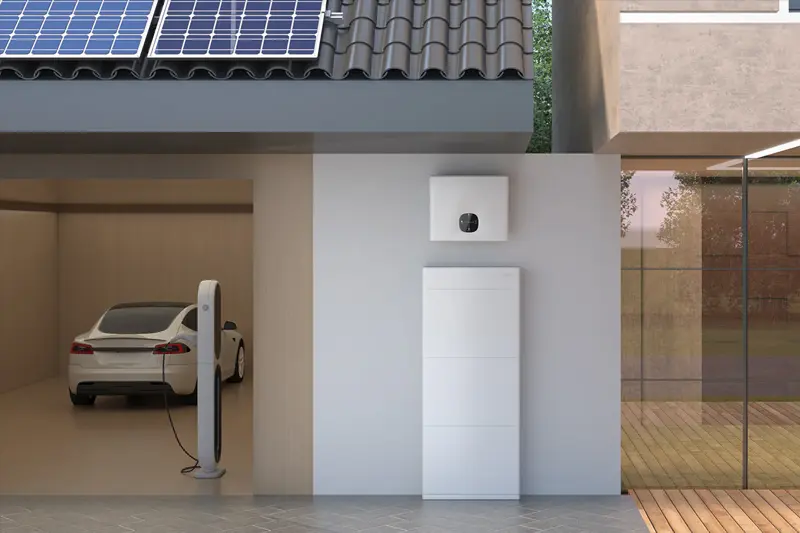
4. EV Charging Integration

  • PV energy stored for nighttime EV charging
  • Inverter power must exceed EV charger rating
  • Recommended battery capacity: >15kWh

II. Step 2: Select the Single-Phase Hybrid Inverter (Core System “Brain”)

1. Power Rating Selection (3–10kW Range)

1) Household Load Calculation

  • 3-person household: 6kW inverter recommended
  • Villa / EV charger / multiple AC: 8–10kW inverter

2) PV Oversizing Principle

  • PV capacity can exceed inverter rating by ~1.2×
  • Example: 6kW inverter → 7–7.2kW PV array

3) Key Functional Requirements

  • UPS function with grid/off-grid switching
  • Dual MPPT input support
  • EMS energy management system
  • AFCI + lightning protection
  • Parallel expansion capability
  • Battery compatibility (48V or high-voltage)

2. 48V Low-Voltage vs High-Voltage Inverters

1) 48V Low-Voltage System

  • Lower cost, simple installation
  • Higher current → higher cable loss
  • Suitable for ≤6kW systems
  • Best for small homes and light backup use

2) High-Voltage System

  • Higher efficiency (>95%)
  • Lower current → lower losses
  • Suitable for 8–10kW systems
  • Best for whole-home + EV charging scenarios

III. Step 3: Select Energy Storage Battery (LiFePO4 Recommended)

1. Capacity Calculation Methods

Scenario 1: Self-Consumption

  • Formula: Night usage ÷ 0.81
  • Example: 9kWh → ~11kWh battery

Scenario 2: Backup Power

  • Formula: Load × duration ÷ 0.81 + margin
  • Example: 1.8kW × 12h → 25–30kWh system

2. Battery Types

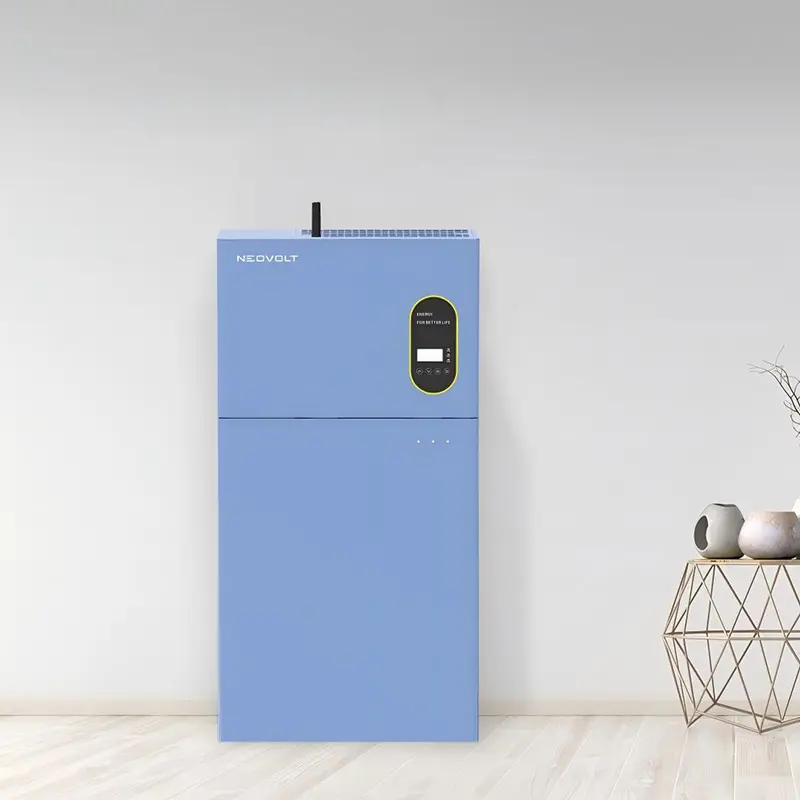
1) Wall-Mounted System (48V)

  • 5–15kWh capacity
  • Space-saving design
  • Suitable for apartments

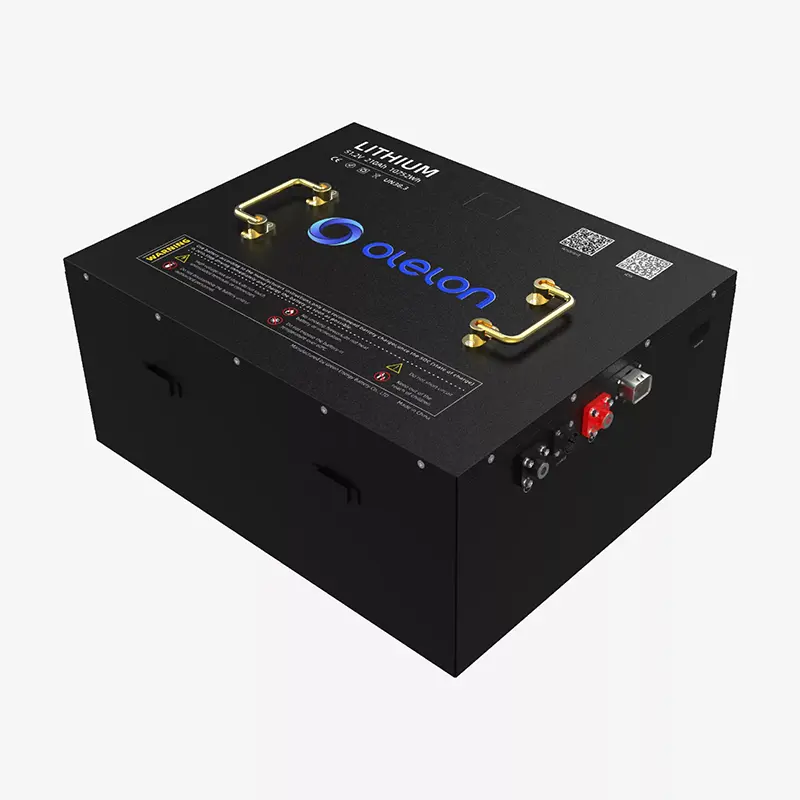
2) Stackable High-Voltage System

  • 15–40kWh expandable
  • Suitable for villas and EV charging
  • Preferred for high-load applications

3. Key Battery Requirements

  • Cycle life ≥ 5000 cycles
  • DOD ≥ 90%
  • 0.5C–1C discharge capability
  • CAN communication support

IV. Step 4: Inverter & Battery Matching Rules

1. Voltage Matching

  • 48V inverter → 48V battery only
  • High-voltage inverter → HV battery pack only

2. Power Matching Rule

  • Battery discharge power ≥ inverter rated power

3. Common Mistakes to Avoid

  • Small battery + high-power inverter mismatch
  • Causes overload and shutdown during peak load

V. Step 5: PV Module Selection

1. PV Panel Specification

  • 550–700W monocrystalline modules recommended

2. System Matching Guide

  • 5kW inverter → 5–6.5kW PV
  • 8kW inverter → 8–9.6kW PV
  • 10kW inverter → 10–12kW PV

3. MPPT Optimization

  • Dual MPPT for multi-orientation roofs
  • Improves low-light performance

VI. Step 6: Budget, Installation & Certification

1. System Budget Options

1) Economy System

  • 6kW inverter + 10kWh battery + 6kW PV
  • Basic backup + bill savings

2) Balanced System

  • 8kW inverter + 15–20kWh battery + 9kW PV
  • Supports EV + full-home backup

3) Premium Off-Grid System

  • 10kW inverter + 25–30kWh battery + 12kW PV
  • Supports generator + full independence

2. Certifications Required

  • Inverter: CE / CQC / anti-islanding
  • Battery: GB safety standard / IEC compliance
  • Warranty: inverter ≥5 years, battery ≥10 years

3. Installation Requirements

1) Environment

  • Outdoor: IP65 recommended
  • Humid areas: corrosion-resistant design required

2) Heat Dissipation

  • Ensure ventilation space
  • Avoid fully sealed installation
Related News
Leave me a message
X
We use cookies to offer you a better browsing experience, analyze site traffic and personalize content. By using this site, you agree to our use of cookies.Privacy Policy

RejectAccept