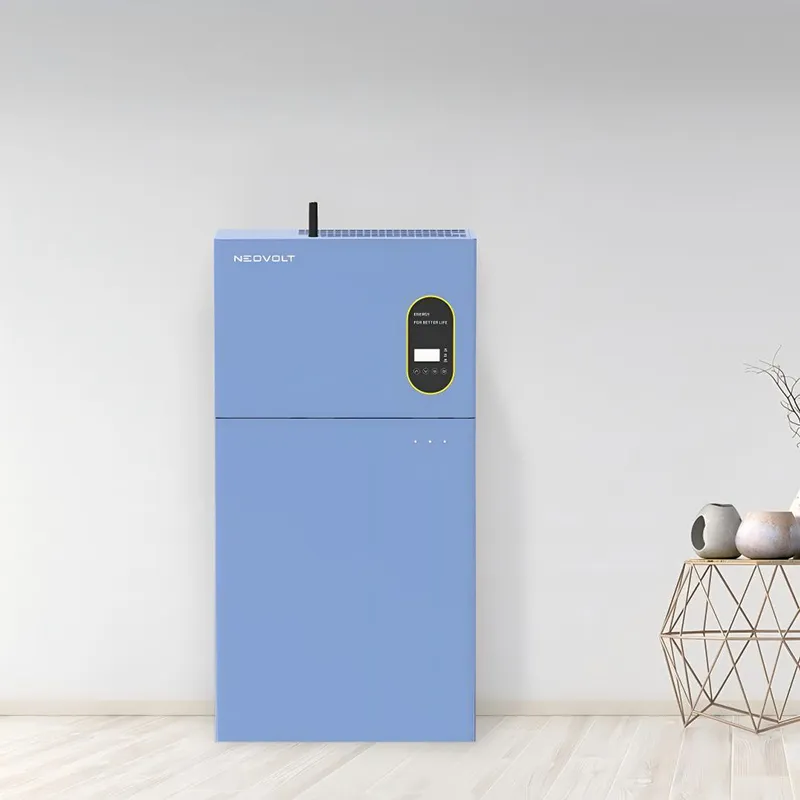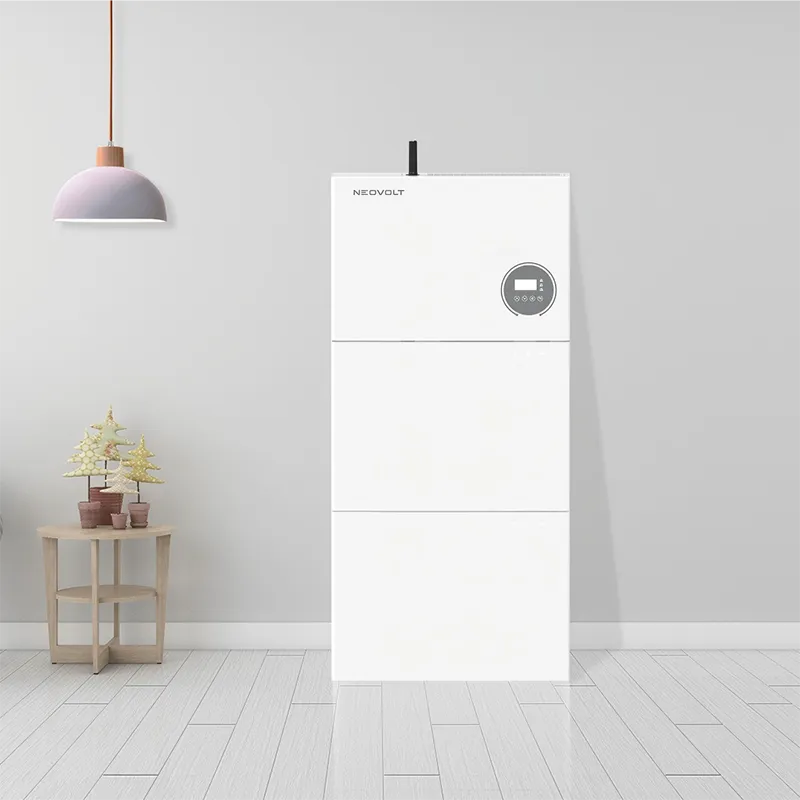

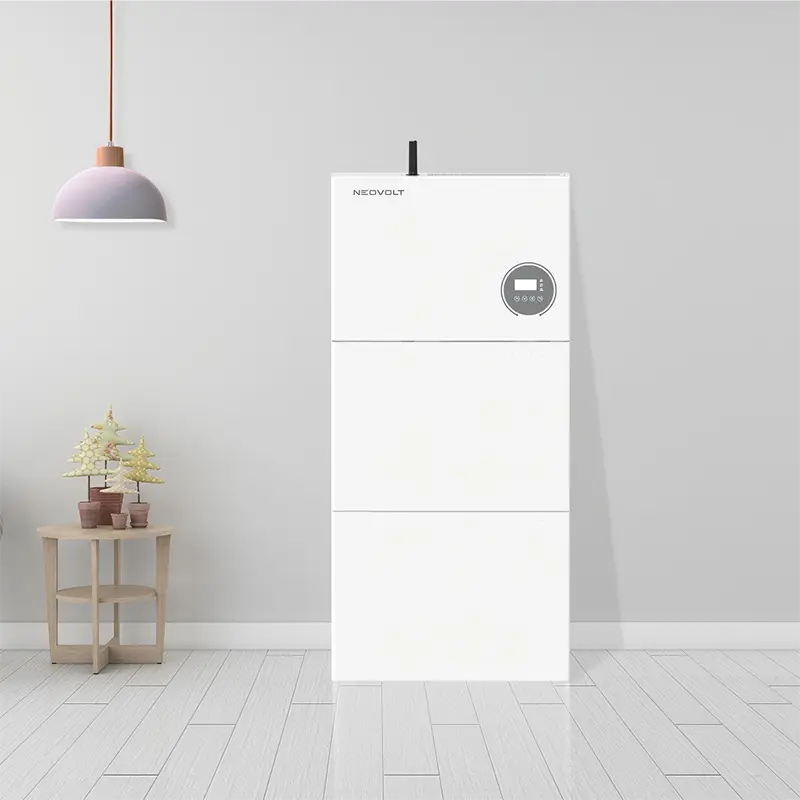
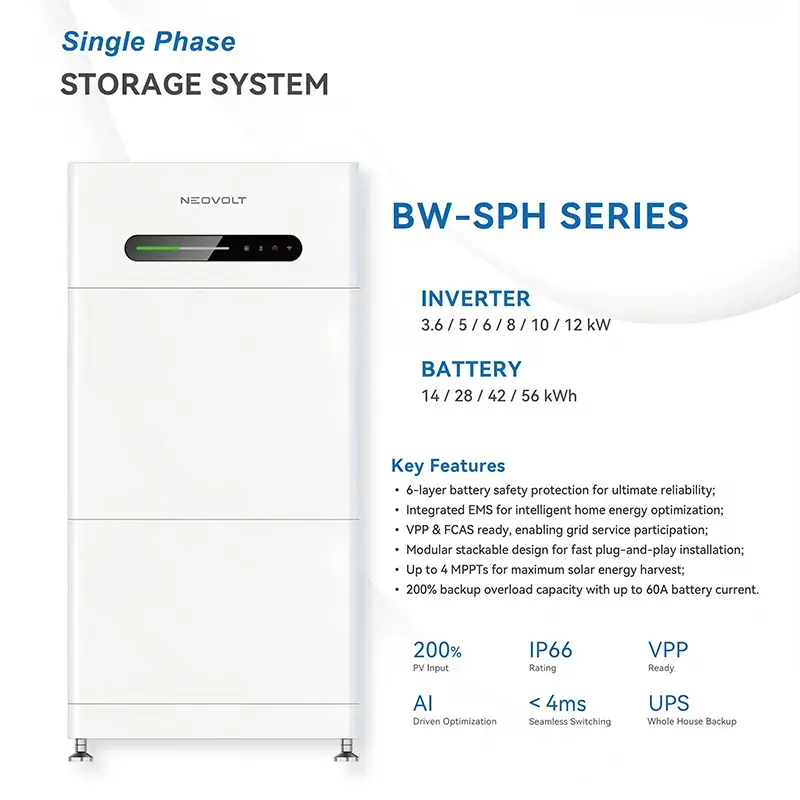
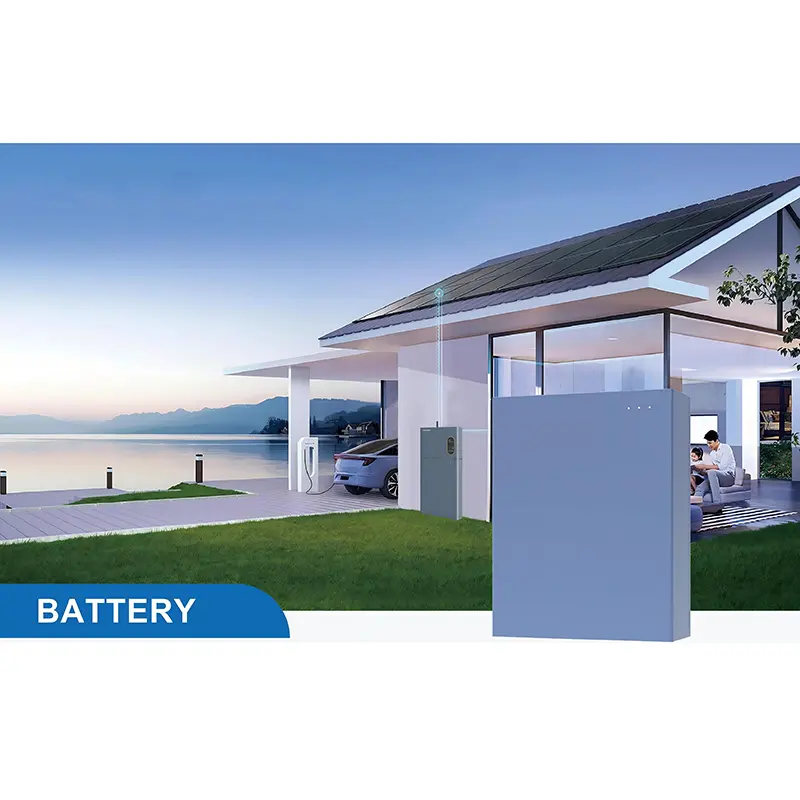

7kWh Stackable LiFePO4 Battery Module
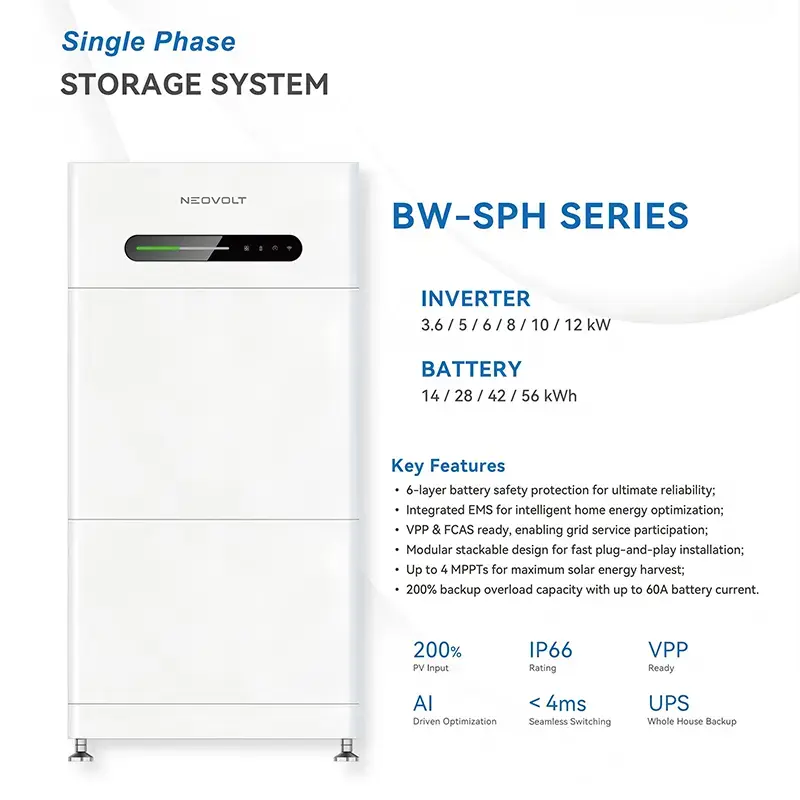
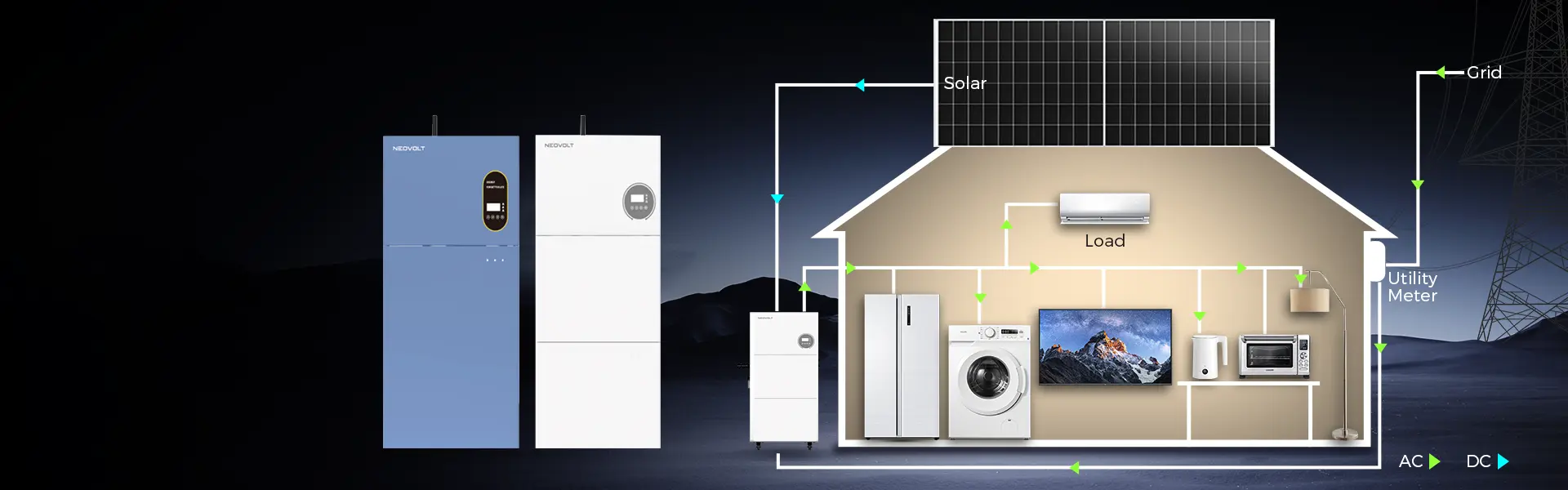
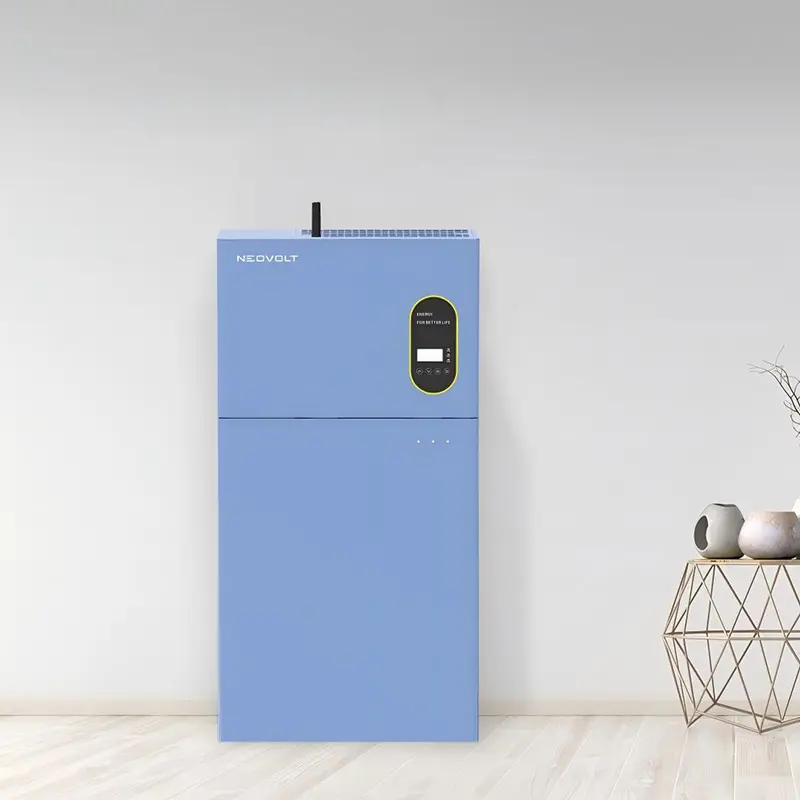
The Sinoah 7kWh Stackable LiFePO4 Battery Module is the entry-level building block of the energy storage system, delivering 6.89kWh of usable energy in a compact, lightweight floor-standing enclosure. Manufactured by NeoVolt, a Chinese power electronics manufacturer with over a decade of lithium battery production experience, this 7kWh module offers the smallest capacity increment in the NeoVolt range – ideal for homes with modest energy needs or for installers who want maximum configuration flexibility.
As a trusted supplier to the UK market, Sinoah Energy stocks this battery module in our UK warehouse for fast delivery to installers and trade partners nationwide. Featuring genuine LFP chemistry, 8000+ cycle life, IP66 weatherproof rating, and self-heating technology for -20°C charging, the 7kWh Stackable LiFePO4 Battery Module is the perfect starting point for a scalable home storage system that can grow from 7kWh to 56kWh in precise 7kWh increments.
The Entry Point: Why 7kWh Matters
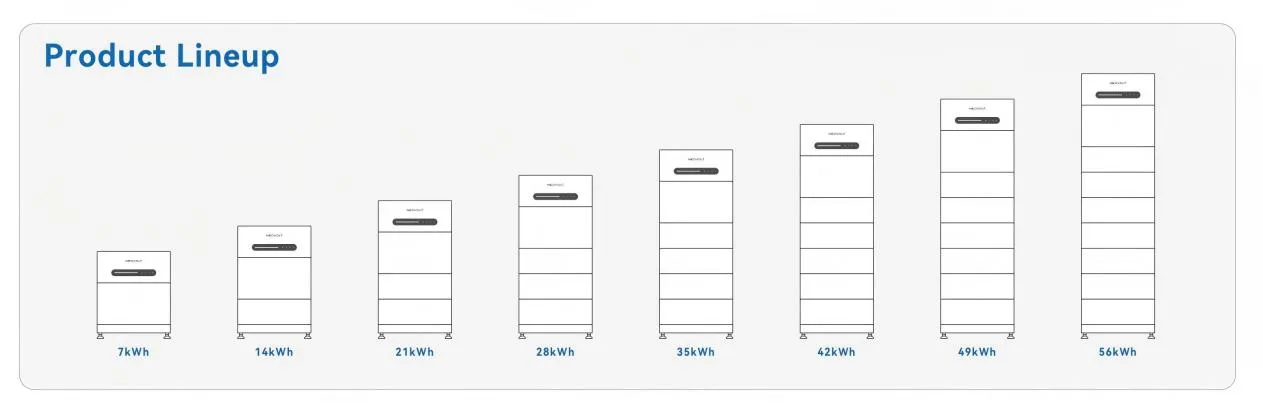
TheSinoah 7kWh Stackable LiFePO4 Battery Module is the smallest capacity in the range–and that is exactly its strength. For UK homes with modest energy needs or tight budgets, it provides an accessible entry point to battery storage. For installers, it offers the finest granularity for system design: 7kWh, 14kWh, 21kWh, 28kWh, 35kWh, 42kWh, 49kWh, or 56kWh–all in precise 7kWh steps.
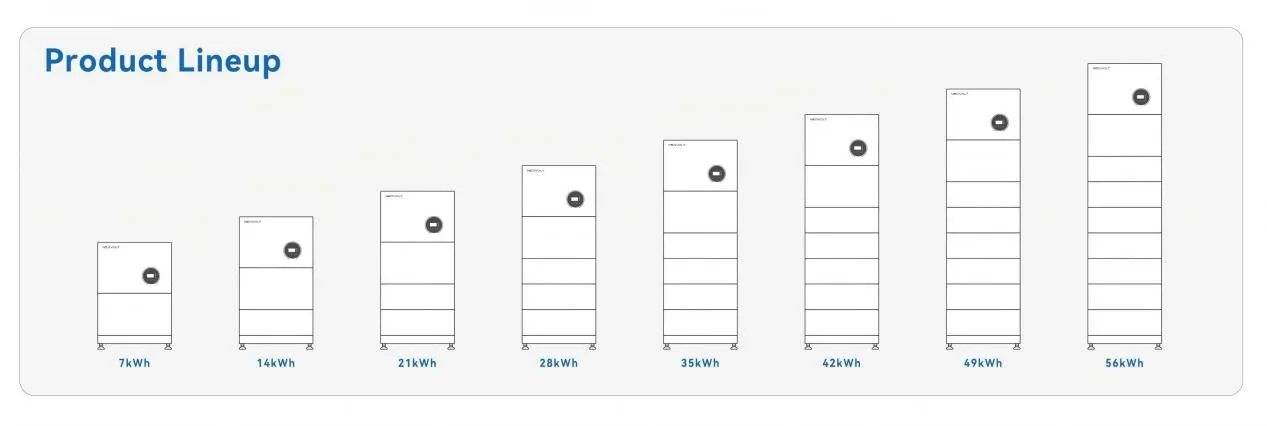
This granularity matters. Not every home needs a 14kWh module. A small terraced house with a 2kWp solar array and annual consumption of 2,500kWh might find a 7kWh battery perfectly adequate–storing surplus solar during the day for evening use, without paying for capacity it doesn’t need. A homeowner with a tight budget can start with 7kWh and add another module when finances allow.
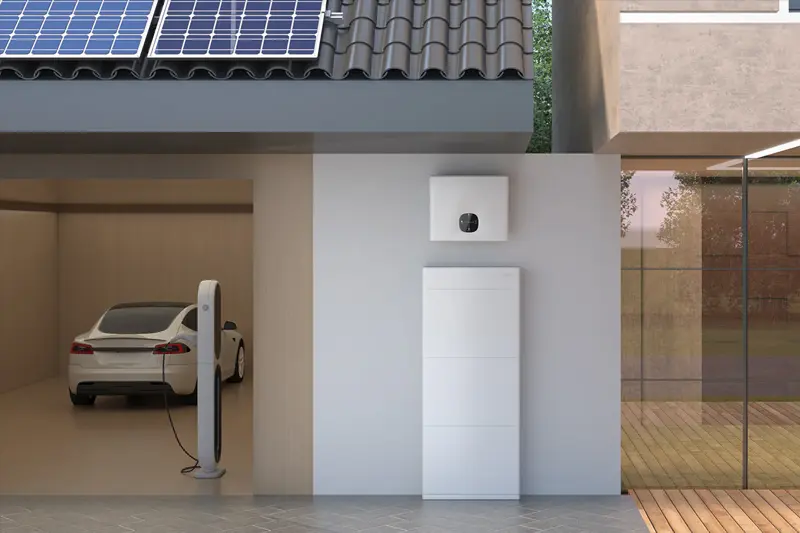
The 7kWh Stackable LiFePO4 Battery Module also serves a practical role in theG3 &G4 series: eight of them stack together to form the 56kWh configuration. For installers, this means the same 7kWh module can be used for a small starter system and a large whole-home backup system–simplifying inventory and training.
What’s Inside: Compact LFP Power
The 7kWh module contains prismatic LFP cells configured to deliver 350V nominal system voltage with an operating range of 200-500V. Like all NeoVolt batteries, it uses genuine Lithium Iron Phosphate chemistry–intrinsically stable, with a higher thermal runaway threshold than NMC alternatives and no cobalt-related supply chain concerns.
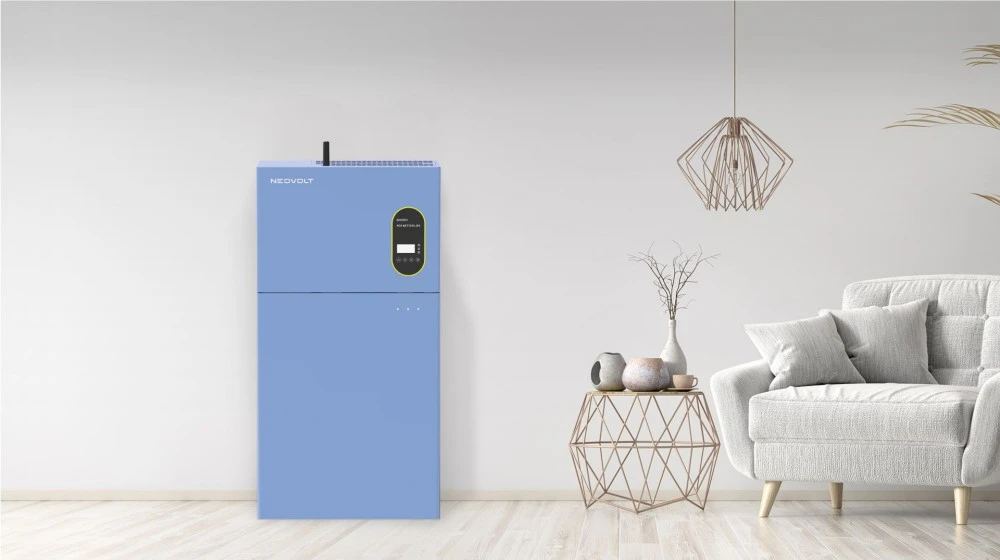
The module’s compact dimensions–690×480×240 mm–make it the most space-efficient option in the range. At just 78kg, it can be positioned by two people without mechanical assistance, making it ideal for installations where access is restricted or where floor loading is a concern.
Who Needs a 7kWh Battery?
1. The Small Home with Solar
A two-bedroom terraced house with a 2.5kWp solar array generates approximately 2,100-2,500kWh annually–roughly equal to its annual consumption. Without storage, the household exports 40-50% of its solar generation, receiving a low export rate (5-8p/kWh). A 7kWh battery stores the surplus solar (3-5kWh per day in summer) for evening use, increasing self-consumption from 50% to 80%+.
2. The Starter System
A homeowner planning a larger system but constrained by budget can start with 7kWh and add modules as finances allow. The modular design means no rewiring or system replacement–simply stack additional modules on top and plug in the pre-made cables. Start small, scale later.
3. The Budget-Conscious Installer
For installers quoting on price-sensitive projects, the 7kWh module provides the lowest-cost entry point to theSinoah range–£ per kWh competitive with larger modules, but with a lower absolute price that fits tighter budgets.
Built for UK Winters: Self-Heating and IP66 Protection
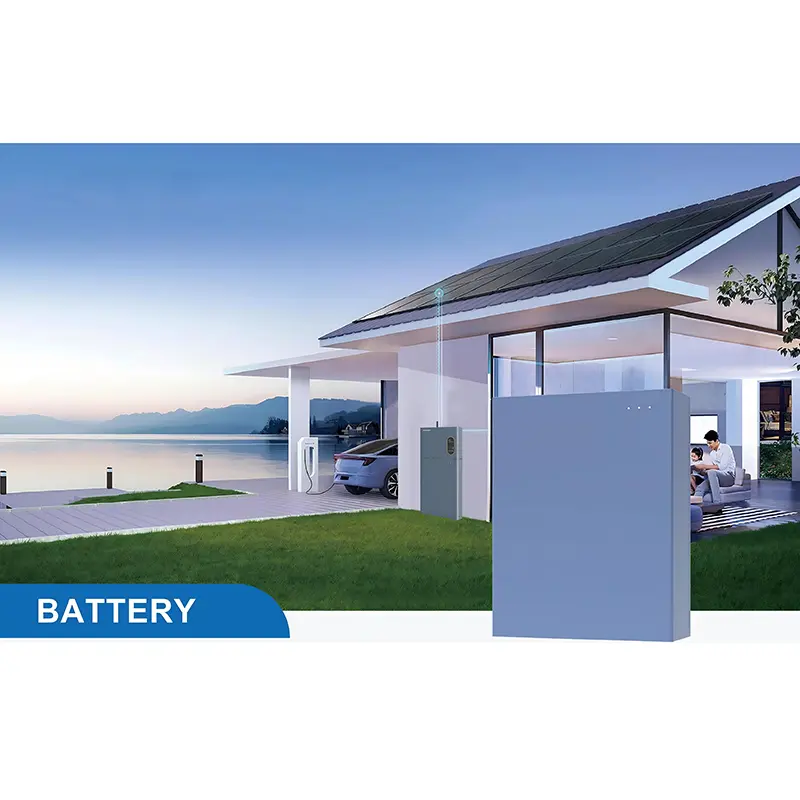
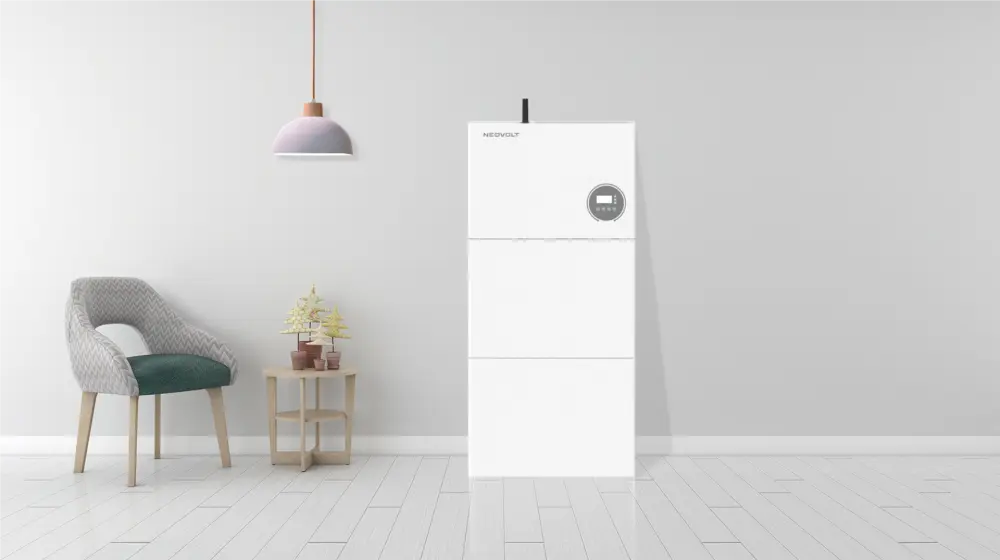
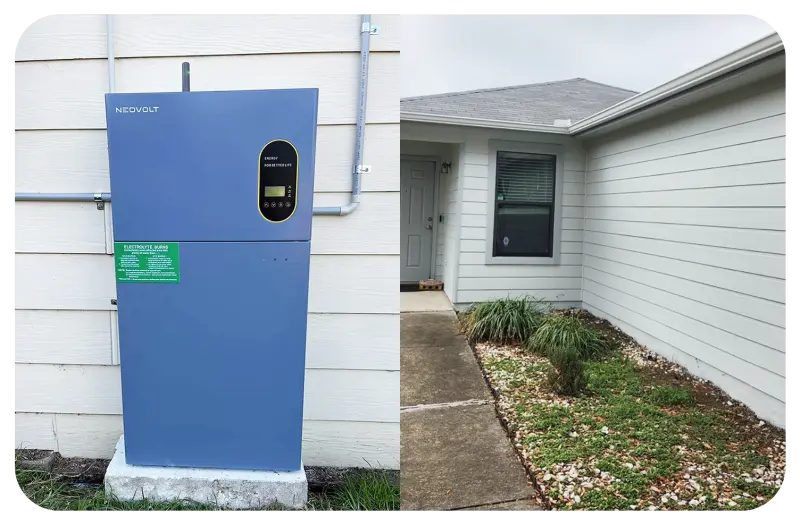
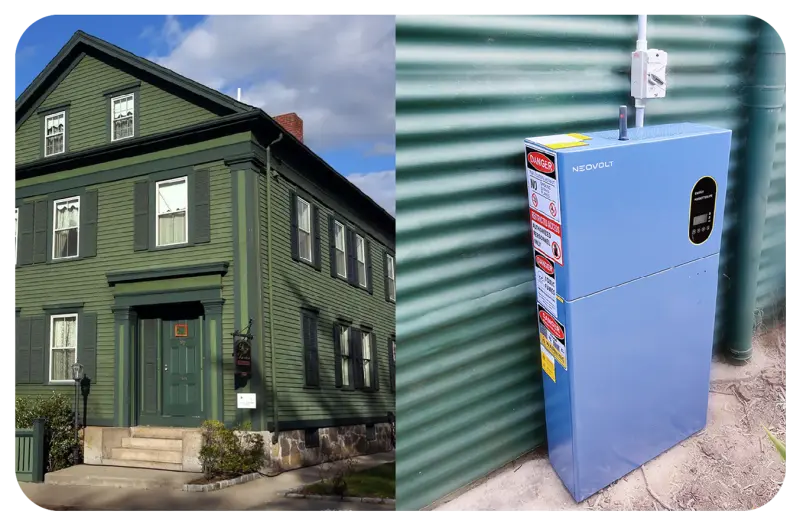
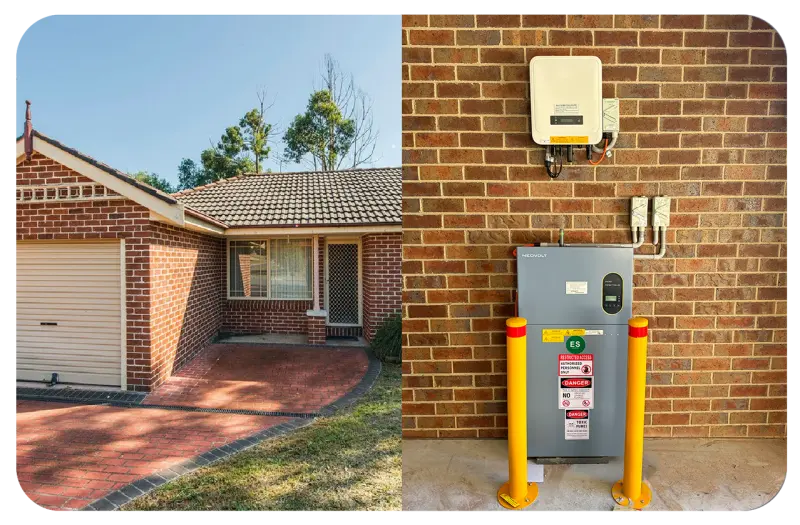
The 7kWh battery module carries an IP66 ingress protection rating–fully protected against dust and powerful water jets. It can be installed outdoors on external walls, in carports, or in garden buildings without concern about weather.
The module features self-heating technology that enables charging at temperatures as low as -20°C –a practical feature for UK installations in garages, outbuildings, or external locations.
Real-World Application: The Small Terrace with Solar
Consider a two-bedroom terraced home in the Midlands with a 2.5kWp solar array and no gas connection–heating and hot water are electric. Annual electricity consumption: 3,200kWh.
The solar array generates approximately 2,300kWh annually, but the household is home during the day, so self-consumption is already 60%–they use much of the solar generation directly. The remaining 40% (approximately 920kWh) is exported.
Installing a 7kWh battery module captures most of that surplus: the 7kWh battery stores 3-4kWh of solar generation daily during summer months, increasing self-consumption to 85%. During winter, the battery charges overnight on the cheap Octopus Go rate (9p/kWh) and discharges during peak periods (28p/kWh).
Annual savings: approximately £300–£400 from solar self-consumption and tariff optimisation combined.
From an Installer’s Perspective: The Granularity Advantage
We asked a UK MCS-certified installer about the 7kWh module.
“The 7kWh module is a useful option for smaller homes and starter systems. It’s also the building block for the G4 56kWh system–eight of these stack together. For me, the advantage is inventory simplification: I carry one module that works for everything from a small system to a large one. And at 78kg, it’s easy to handle–two people can position it without mechanical assistance.”
Weight and handling–At 78kg, the 7kWh module is the lightest in the range. Two people can position it comfortably, making it ideal for installations with restricted access–upstairs rooms, basements with stairs, or tight spaces.
Flexibility–The 7kWh module provides the finest granularity: systems can be sized in 7kWh increments, matching capacity precisely to the customer’s needs and budget.
Scalability–Eight 7kWh modules stack to form the 56kWh system–the same module, the same connections, the same installation process.
System Expansion: From 7kWh to 56kWh
The 7kWh Stackable LiFePO4 Battery Module is the foundation of a truly scalable system:
Modules Capacity Best For
1×7kWh 7kWh Small homes, starter systems
2×7kWh 14kWh 3-bedroom homes with solar
3×7kWh 21kWh Homes with EV or heat pump
4×7kWh 28kWh Large homes, full self-consumption
5×7kWh 35kWh High-demand homes, winter cover
6×7kWh 42kWh Whole-home backup, two EVs
7×7kWh 49kWh Energy independence
8×7kWh 56kWh Maximum capacity, full backup
Safety: Six Layers of Protection
TheSinoah7kWh battery module incorpincorporates a six-layer safety protection system:
1. Cell-Level Protection–Each prismatic LFP cell is individually monitored for voltage and temperature.
2. Module-Level BMS–The built-in Battery Management System balances cells, prevents over-charge and over-discharge, and communicates faults to the inverter.
3. Pack Over-Voltage / Under-Voltage Protection–Automatic disconnection if voltage strays outside the 200-500V operating range.
4. Temperature Monitoring–Multiple sensors across the module detect over-temperature conditions.
5. Short Circuit and Over-Current Protection–The BMS responds to fault currents within milliseconds.
6. Communication Redundancy–CAN bus provides real-time data to the inverter; if communication is lost, the system defaults to safe mode.
Technical Specifications
| Battery Model | BW-BAT-07S1-H | BW-BAT-07S2-H | BW-BAT-07S3-H | BW-BAT-07S4-H | BW-BAT-07S5-H | BW-BAT-07S6-H | BW-BAT-07S7-H | BW-BAT-07S8-H |
| Rated Energy (kWh) | 7.03 | 14.06 | 21.1 | 28.13 | 35.16 | 42.2 | 49.23 | 56.26 |
| Usable Energy (kWh) | 6.89 | 13.79 | 20.67 | 27.57 | 34.46 | 41.36 | 48.25 | 55.14 |
| Depth of Dischage(DoD) | 98% | |||||||
| Battery Type | LFP | |||||||
| Nominal System Voltage (V) | 350 | |||||||
| Operating Voltage Range(V) | 200~500 | |||||||
| Max Input Current (System)(A) | 60 | |||||||
| Max.Output Current(System)(A) | 60 | |||||||
| Operating Temperature Range(℃) | Charging:-20<T<50/Discharging:-20<T<50 | |||||||
| Cycle Lifetime | 8000 | |||||||
| Cooling Method | Natural Convection | |||||||
| Noise Emission | <30 dB @1m | |||||||
| Communication | CAN | |||||||
| Weight(kg) | 78 | 134 | 190 | 246 | 302 | 358 | 414 | 470 |
| Dimensions(W×H×Dmm)* | 690*240*480 | 690*240*725 | 690*240*970 | 690*240*1215 | 690*240*1460 | 690*240*1705 | 690*240*1950 | 690*240*2195 |
| Ingress Protection | IP66 | |||||||
| Safety Standard | IEC 62619;IEC/EN 62040;IEC/EN62477;(EU)2023/1542;SATS5398 | |||||||
| Transportation | UN38.3 | |||||||
Why Choose the 7kWh from Sinoah Energy
1. Smallest Capacity, Finest Granularity–7kWh increments allow precise system sizing to match customer needs and budgets.
2. Building Block–Eight 7kWh modules stack to form the 56kWh system–one module, multiple applications.
3. Lightest Module in the Range–78kg–two people can position without mechanical assistance.
4. Genuine LFP Chemistry–Prismatic LFP cells with verified 8000+ cycle life and safety certifications.
5. UK Stock, Fast Delivery–Sinoah Energy maintains inventory in our UK warehouse.
6. Factory Direct Pricing–Direct fromNeovolt’s manufacturing facility with over a decade of experience.
7. 10-Year Warranty–Long-term confidence for installers and homeowners.
8. Self-Heating for UK Winters–Charges at -20°C.
9. IP66 Weatherproof–Suitable for indoor or outdoor installation.
10. VPP and FCAS Ready–Future-proof investment.
Ready to add the NeoVolt 7kWh stackable battery module to your product range?
Call us: 07742 753873
Email: sales@sinoahenergy.com
WhatsApp:sinoahsinoah
Become a trade partner today and access competitive pricing, UK stock, and dedicated technical support.
FAQ:
Q1: Who is a 7kWh battery suitable for?
A: A 7kWh battery is ideal for:
· Small homes (2-bedroom terraces or flats) with modest energy needs
· Homes with small solar arrays (2–3kWp) – stores surplus for evening use
· Budget-conscious homeowners – the lowest-cost entry point to battery storage
· Installers wanting maximum flexibility – 7kWh modules stack in precise increments
For a typical small home without an EV or heat pump, 7kWh provides enough stored energy to cover evening consumption and overnight essentials.
Q2: Where can the7kWh Stackable LiFePO4 Battery Module be installed?
A: With IP66 rating, the module can be installed indoors (garages, utility rooms) or outdoors (external walls, carports, garden buildings).
Q3: What's the difference between the 14kWh module and the 7kWh module?
A: The 7kWh module offers finer granularity – 7kWh increments instead of 14kWh. For a small home, 7kWh is a more precise fit than 14kWh. For a large system, eight 7kWh modules stack to form 56kWh. The 7kWh is also the lightest module in the range (78kg vs 128kg for the 14kWh), making it easier to handle.
Hot Tags: 7kWh Stackable LiFePO4 Battery Module, stackable battery module wholesale, energy storage battery module
Related Category
Send Inquiry
Contact Info
-
Address
Neo bankside, 50 Holland Street, London, SE1 9FU, United Kindom
-
Tel
-
E-mail
If you have any inquiry about a quotation or cooperation, please feel free to email or use the following inquiry form. Our sales representative will contact you within 24 hours.