


42kWh Stackable LiFePO4 Battery Module
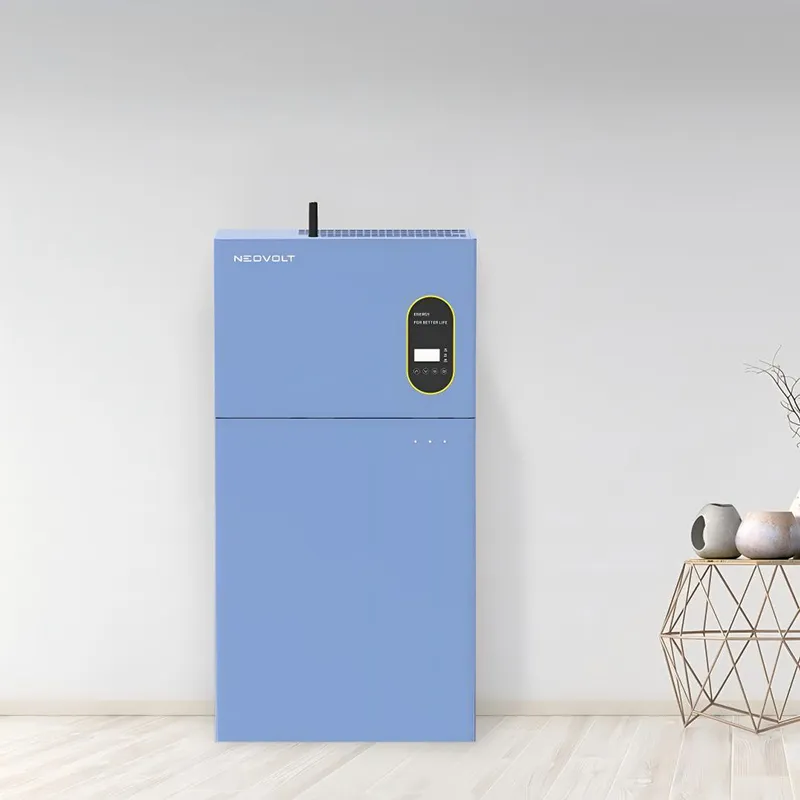
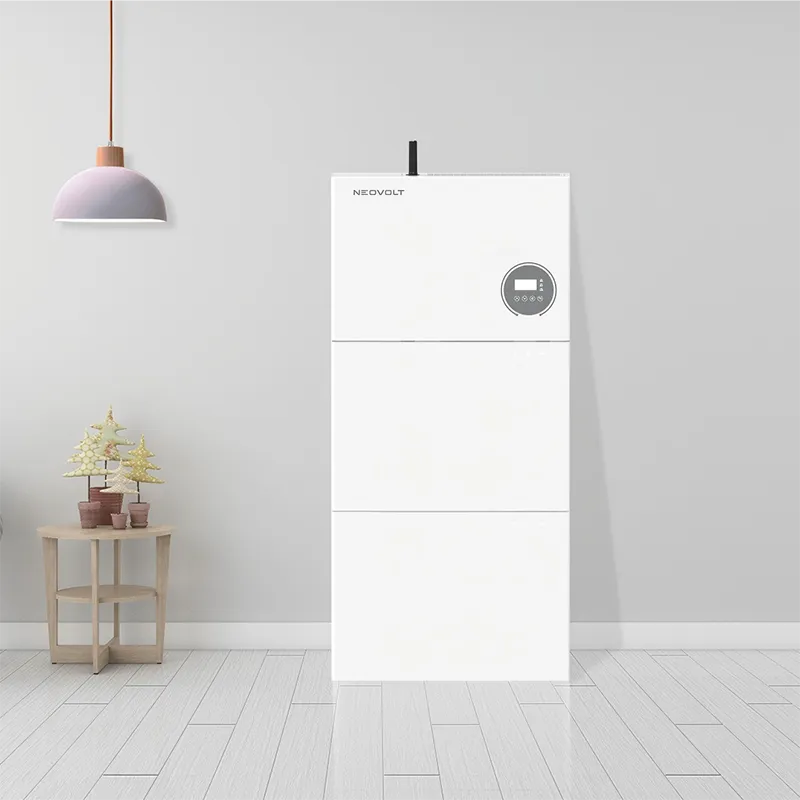
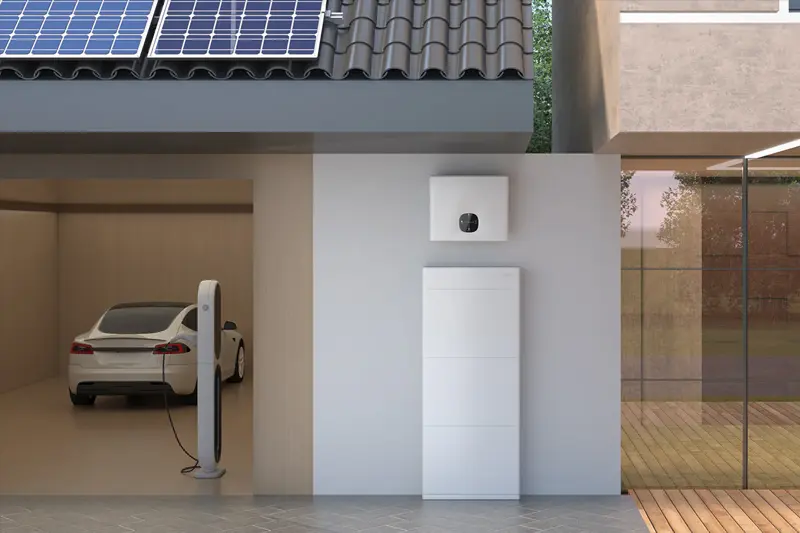
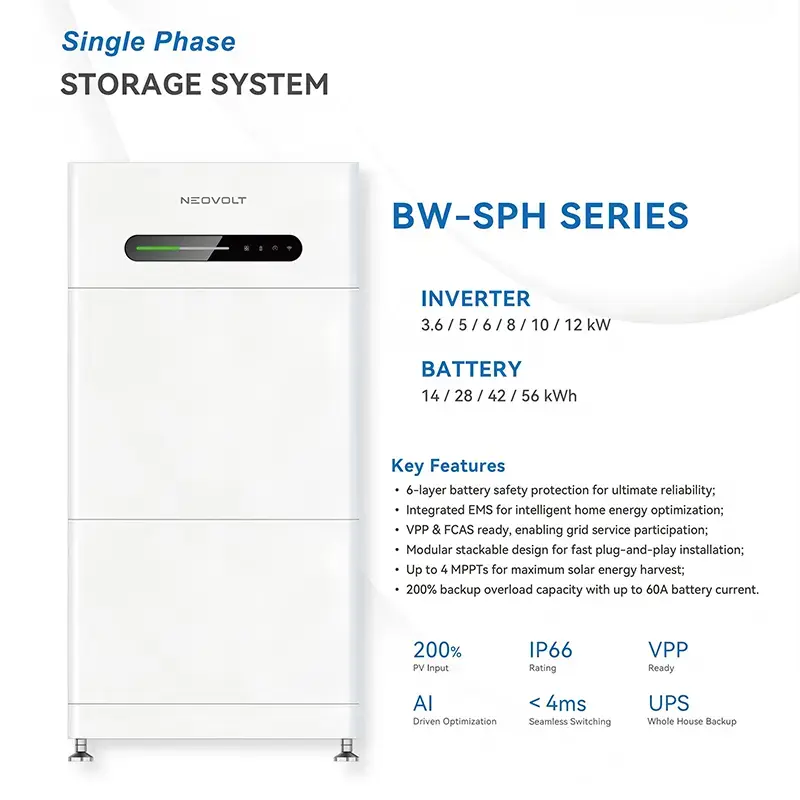
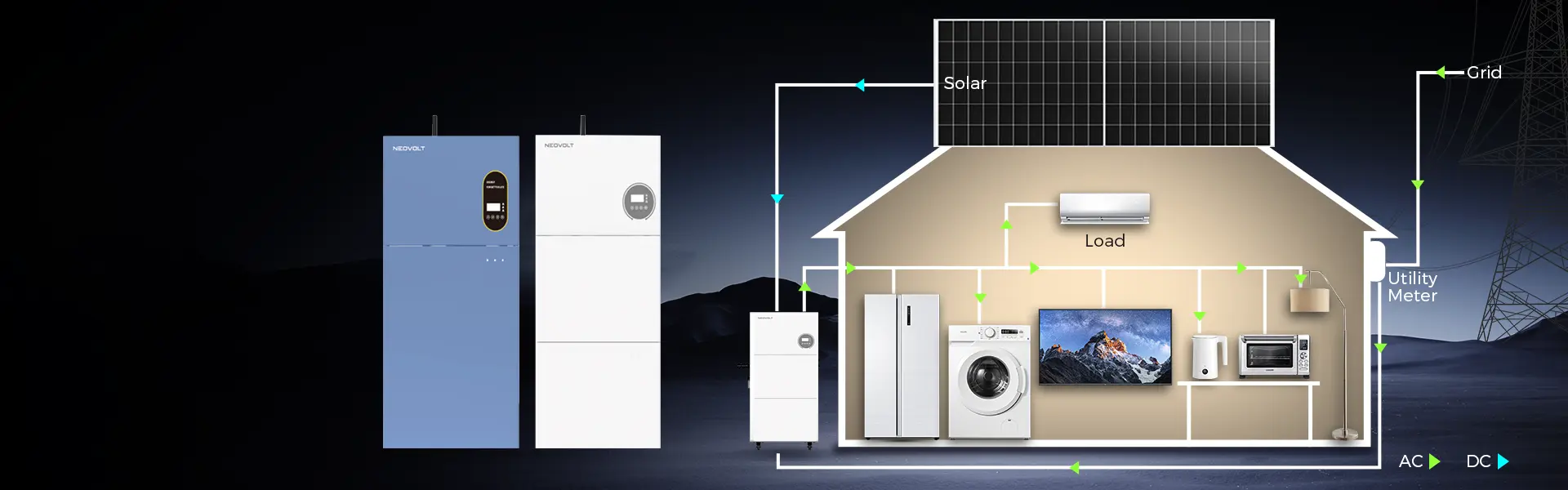
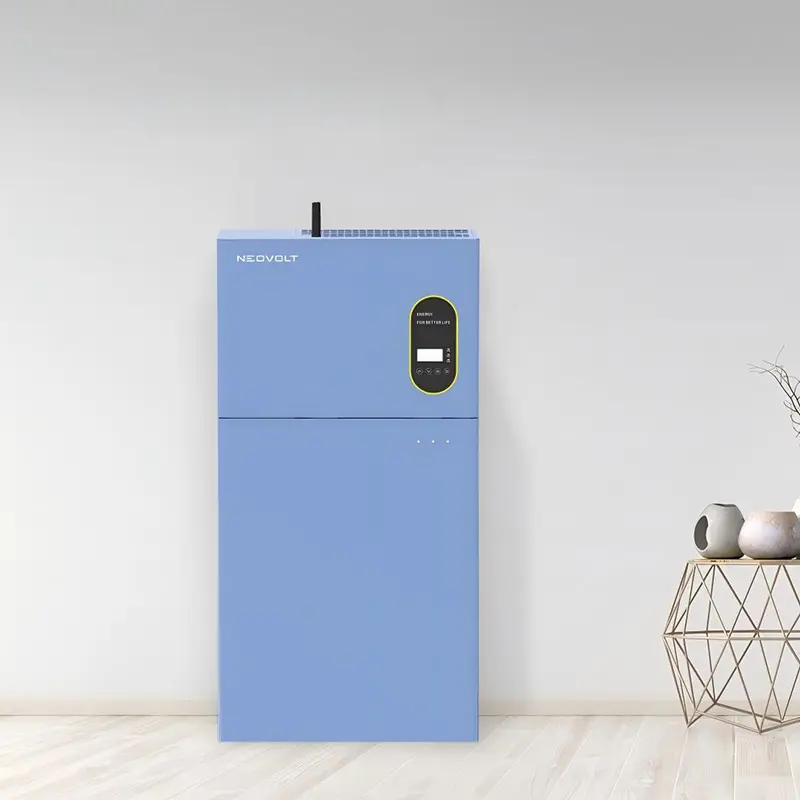
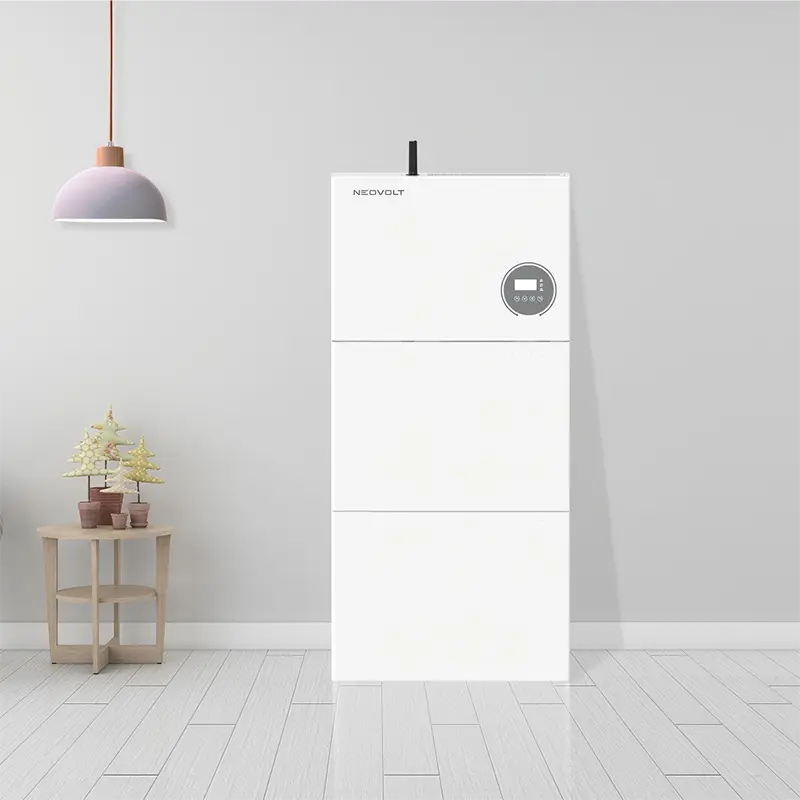
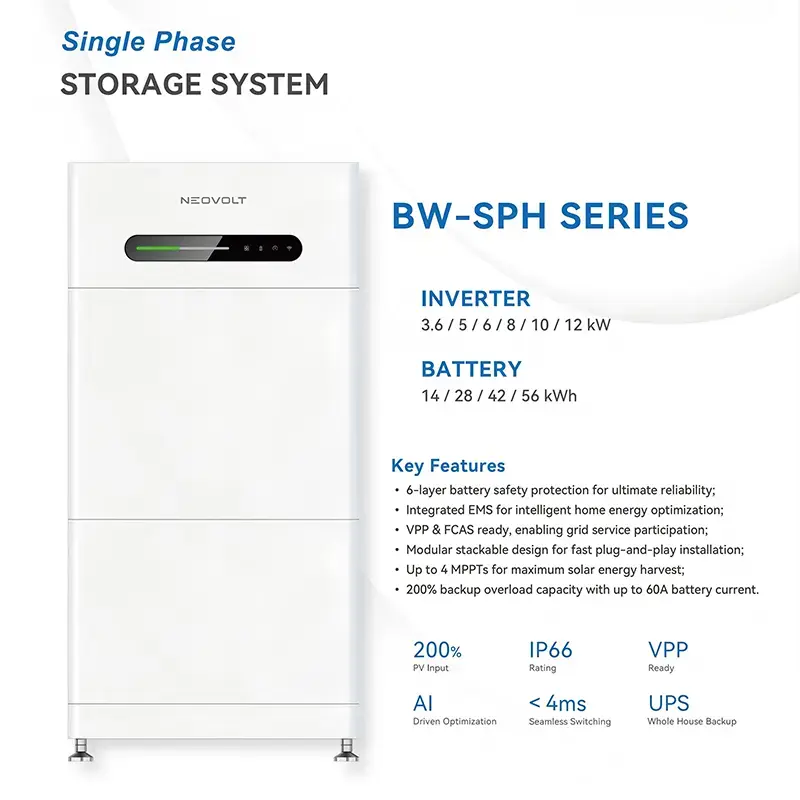
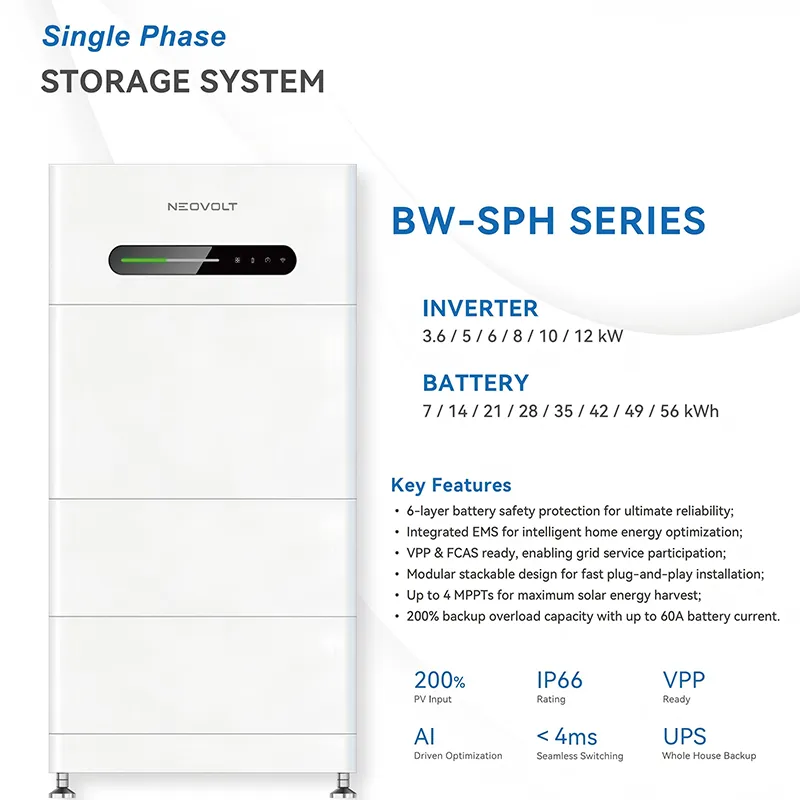
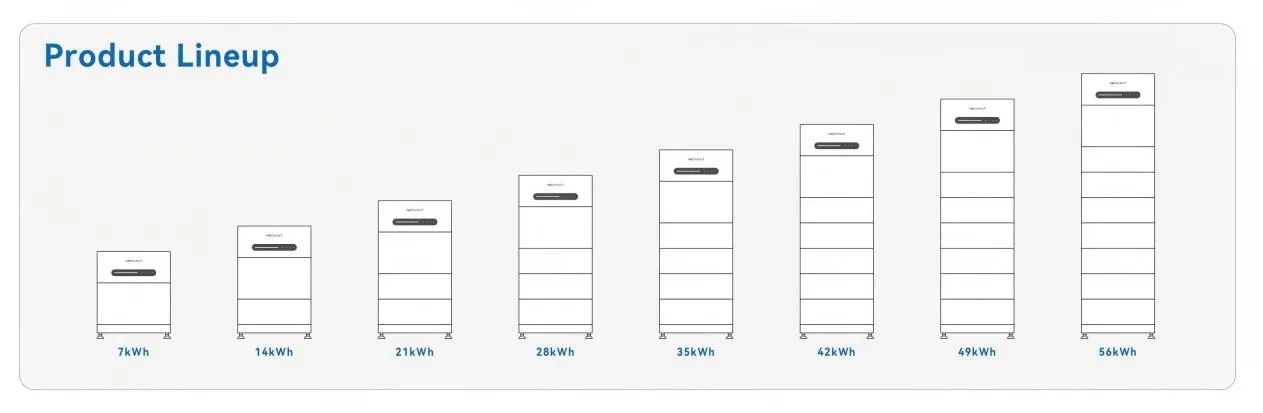
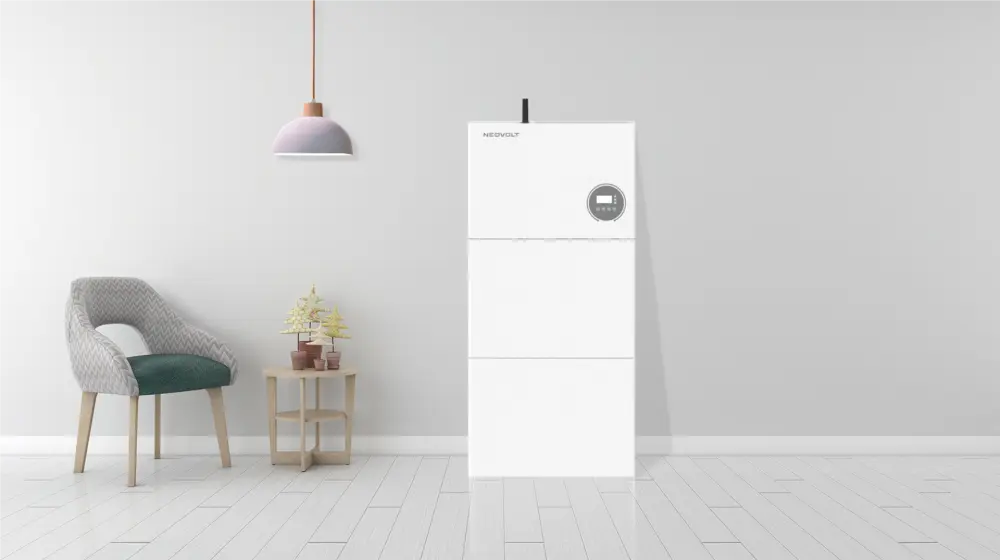
The Sinoah 42kWh Stackable LiFePO4 Battery Module is a high-capacity energy storage solution delivering 41.36kWh of usable energy – enough to power a UK home for 3–5 days without solar input. Manufactured by NeoVolt, a Chinese power electronics manufacturer with over a decade of lithium battery production experience, this 42kWh module is available in two configurations: three 14kWh units stacked together or six 7kWh units stacked together, both presenting a single integrated floor-standing enclosure. As a trusted supplier to the UK market, Sinoah Energy stocks this battery module in our UK warehouse for fast delivery to installers and trade partners nationwide.
Featuring genuine LFP chemistry, 8000+ cycle life, IP66 weatherproof rating, and self-heating technology for -20°C charging, the 42kWh Stackable LiFePO4 Battery Module delivers the substantial capacity that UK homes with heat pumps, electric vehicles, and whole-home backup requirements demand.
Two Paths to 42kWh: Understanding the Configuration Options
|
|
3×14kWh Modules |
6×7kWh Modules |
|
Model |
BW-BAT-14S3-H |
BW-BAT-0756-H |
|
Total rated energy |
42.25kWh |
42.2kWh |
|
Usable energy |
41.36kWh (98% DoD) |
41.36kWh (98% DoD) |
|
Total weight |
320kg |
358kg |
|
Dimensions |
690×1495×240 mm |
690×1705×240 mm |
Both configurations deliver the same usable capacity–41.36kWh–and share the same core specifications: LFP chemistry, 350V nominal system voltage, 200–500V operating range, 60A max charge/discharge current, and 8000+ cycle life.
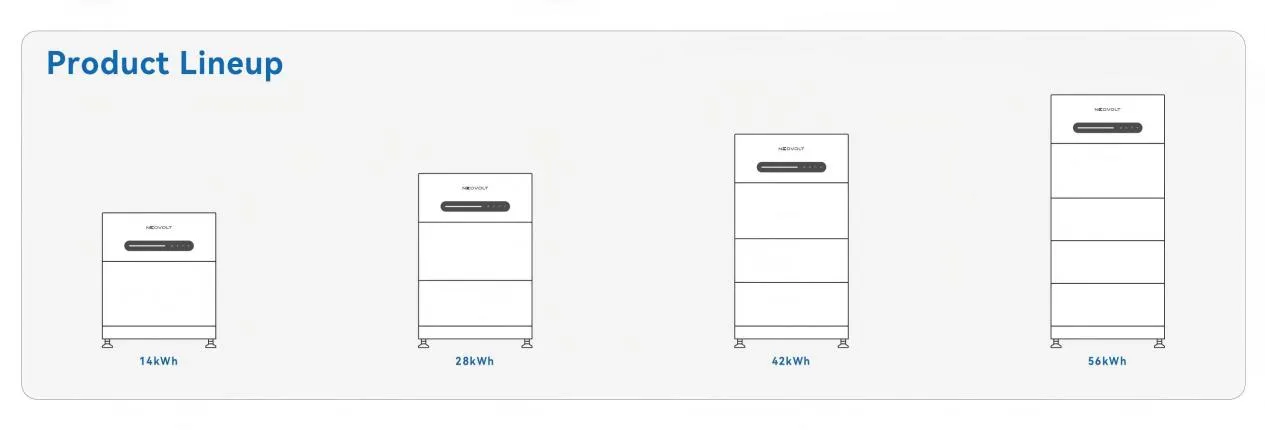
Which configuration should installers choose? The G3 configuration (3×14kWh) is lighter and shorter–38kg less and 210mm lower–making it easier to handle and better suited for installations with height restrictions. The G4 configuration (6×7kWh) offers finer granularity: if a fault develops in one 7kWh sub-module, only that small unit needs replacement, potentially reducing service costs. For most installations, the G3 configuration is the practical choice due to its lighter weight and lower height. The G4 configuration is ideal for projects where modular granularity is a priority.
Why 42kWh? The Capacity UK Homes Actually Need
UK homes are consuming more electricity than ever before. Air-source heat pumps are replacing gas boilers. Electric vehicles are appearing on driveways. Induction hobs, tumble dryers, and home offices are adding to daily consumption. A typical 3-4 bedroom home with an EV and a heat pump now consumes 6,000-8,000kWh annually–double the UK average of 2,700kWh.
For these households, a 14kWh or 28kWh battery often falls short. During winter, when solar generation drops to 3-5kWh per day, a 28kWh battery can cover 3-4 days of consumption–but leaves little margin for extended grid outages or multiple consecutive cloudy days.
The 42kWh Stackable LiFePO4 Battery Module addresses this gap. With 41.36kWh of usable energy, it provides the substantial capacity that modern UK homes actually need:
·3-5 days of backup power–Enough to ride out extended grid outages
·EV charging–Adds 120-150 miles of range from a single charge
·Heat pump operation–Runs an air-source heat pump through multiple winter nights
·Full solar self-consumption–Stores entire summer day’s generation, even on the sunniest days
A full 42kWh charge stored overnight on Octopus Go (9p/kWh) costs £3.78–less than a takeaway coffee–and can power an average home for 3-5 days.
Built for UK Winters: Self-Heating and IP66 Protection
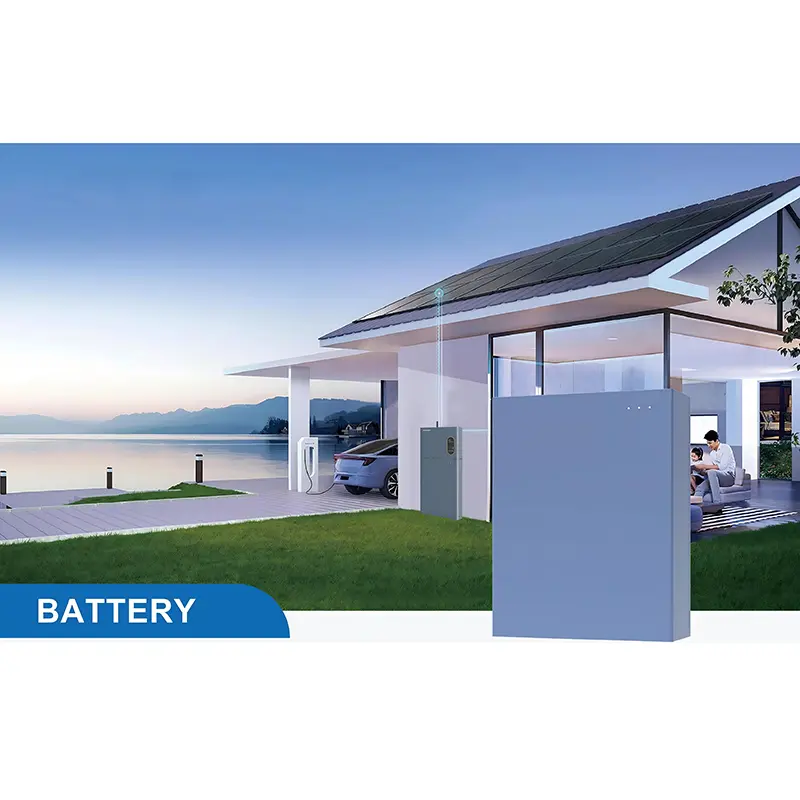
TheSinoah 42kWh Stackable LiFePO4 Battery Module carries an IP66 ingress protection rating–fully protected against dust and powerful water jets from any direction. This means it can be installed outdoors on external walls, in carports, or in garden buildings without concern about driving rain, snow, or coastal salt spray.
The module features self-heating technology that enables charging at temperatures as low as -20°C. In a UK winter, garages and external installations can easily drop below freezing–a condition that would prevent many standard lithium batteries from charging. The 42kWh module automatically activates its heating system when temperatures fall, ensuring the battery remains operational throughout the year.
The operating temperature range covers charging from -20°C to +50°C and discharging from -20°C to +50°C –making the module suitable for any UK location.
Real-World Application: The Fully Electric Home with Two EVs
Consider a 5-bedroom detached home in the South East with a 10kWp solar array, two electric vehicles (total annual mileage: 20,000 miles), and an air-source heat pump. The household consumes approximately 10,000kWh annually.
With a 28kWh battery, the family would face a daily juggling act. The battery charges overnight on the cheap rate, but after powering the heat pump overnight (6–8kWh) and the EV charging (8–10kWh), little remains for daytime use.
The NeoVolt 42kWh battery module changes the equation entirely:
Summer scenario–The 10kWp array generates 35-40kWh on sunny days. The 42kWh battery stores the full surplus (20-25kWh) for evening use, EV charging, and overnight heat pump operation. Grid import drops to near zero on sunny days.
Winter scenario–Solar generation drops to 4-6kWh per day. The 42kWh battery charges overnight on the Octopus Go rate (9p/kWh) and discharges during peak periods (28p/kWh). The heat pump draws6-8kWh overnight, and each EV draws 8-10kWh–the 42kWh battery handles this comfortably, with 14-20kWh remaining for daytime use.
Annual savings–Combined solar self-consumption and tariff optimisation deliver £1,500–£2,000 in annual bill savings.Thanks to the greater savings from higher capacity,the payback period ofthe 42kWh battery issignificantly shorter than smaller systems.
From an Installer’s Perspective: Two Configurations, One Installation
We asked a UK MCS-certified installer who has fitted over 30 NeoVolt systems about the 42kWh module.
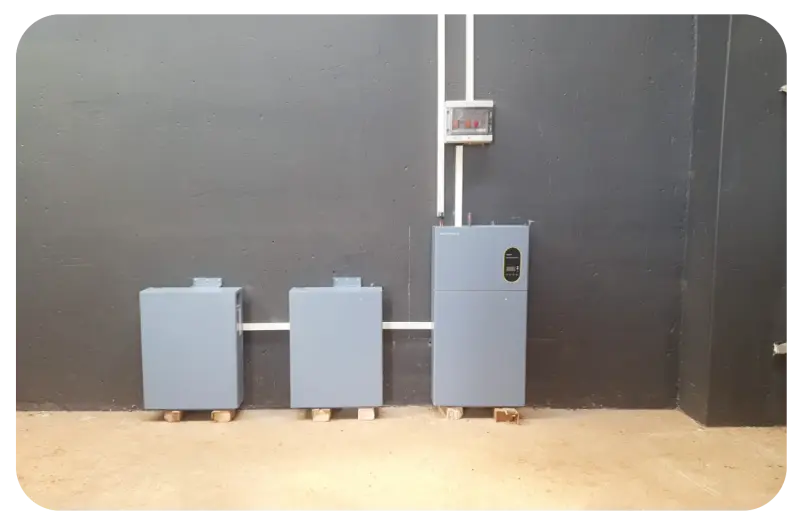
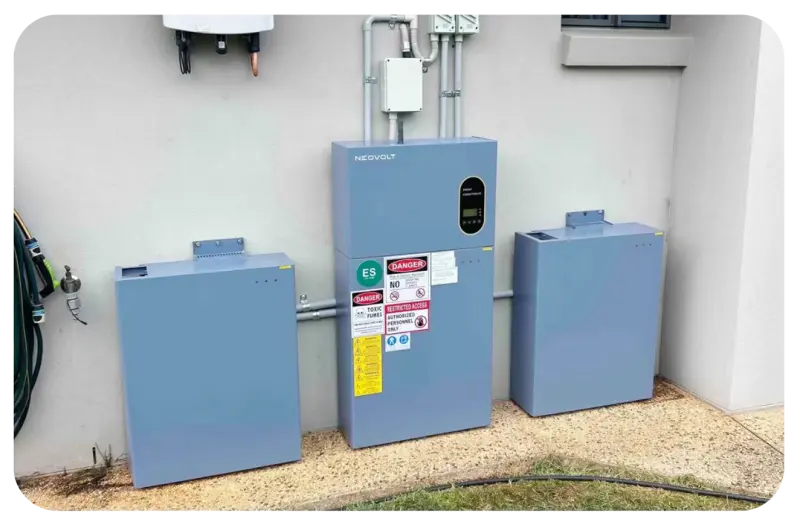
“The 42kWh module is substantial–320kg for the G3 version, 358kg for the G4. But the floor-stacked design makes it manageable. Two people can position it on a concrete floor or garage slab. The pre-wired internal connections mean I don’t need to cable multiple modules together–it’s one unit with one set of connections. That saves me about an hour compared to installing three 14kWh modules separately.”
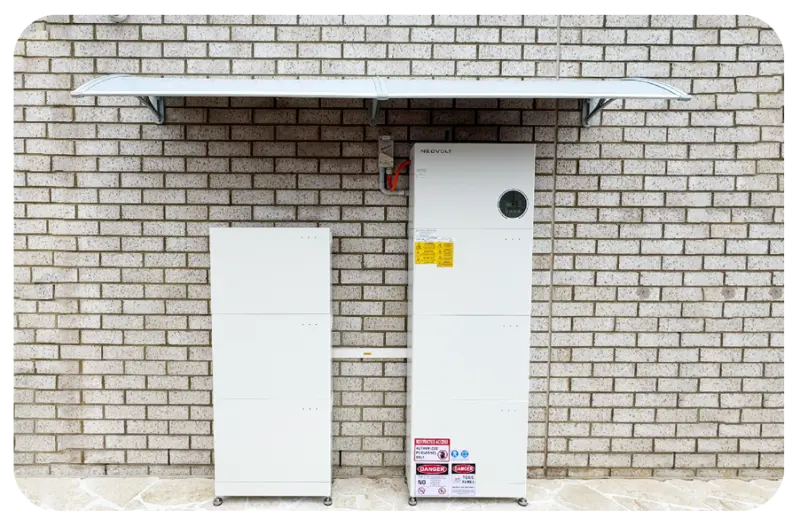
Weight and handling–The G3 version (320kg) is lighter than the G4 (358kg)–a practical advantage for installations where weight is a concern. Both require two people for positioning. The 690mm width and floor-stacked design mean no wall-mounting complications.
Height considerations–The G3 version stands 1495mm tall; the G4 version stands 1705mm tall. Installers should check ceiling height in utility rooms and garages–the G3 configuration is better suited for spaces with height restrictions.
Cable management–Single power and communication cable sets–the internal connections are pre-wired, reducing on-site wiring time.
Commissioning–The inverter’s LCD display and NeoVolt App auto-detect the 42kWh configuration. Commissioning adds less than 30 minutes.
Future service–The modular design means individual 14kWh or 7kWh sub-modules can be serviced or replaced without taking the entire 42kWh system offline.
Safety: Six Layers of Protection
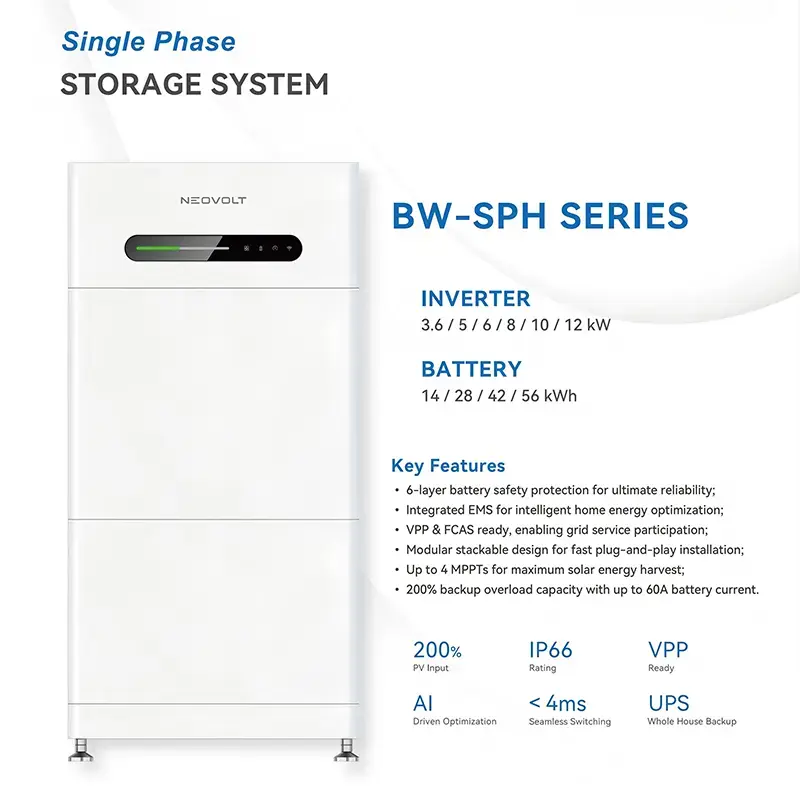
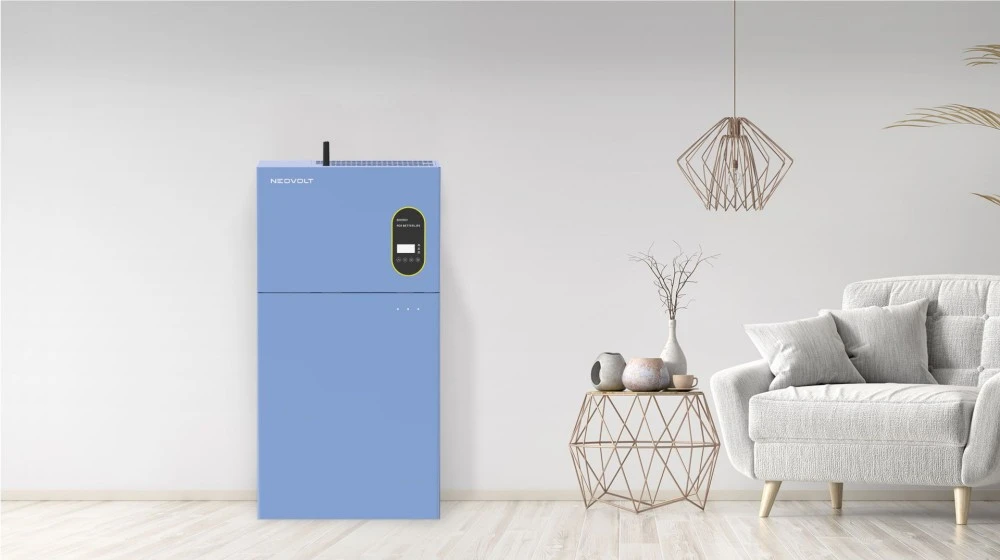
The 42kWh Stackable LiFePO4 Battery Module incorporates a six-layer safety protection system:
1. Cell-Level Protection–Each prismatic LFP cell is individually monitored for voltage and temperature.
2. Module-Level BMS–The built-in Battery Management System balances cells, prevents over-charge and over-discharge, and communicates faults to the inverter.
3. Pack Over-Voltage / Under-Voltage Protection–Automatic disconnection if voltage strays outside the 200-500V operating range.
4. Temperature Monitoring–Multiple sensors across the module detect over-temperature conditions.
5. Short Circuit and Over-Current Protection–The BMS responds to fault currents within milliseconds.
6. Communication Redundancy–CAN bus provides real-time data to the inverter; if communication is lost, the system defaults to safe mode.
Technical Specifications
| Battery Model | BW-BAT-14S1-H | BW-BAT-14S2-H | BW-BAT-14S3-H | BW-BAT-14S4-H |
| Rated Energy (kWh) | 14.06 | 28.13 | 42.2 | 56.26 |
| Usable Energy(kWh) | 13.79 | 27.57 | 41.36 | 55.14 |
| Depth of Discharge(DoD) | 98% | |||
| Battery Type | LFP | |||
| Nominal System Voltage (V) | 350 | |||
| Operating Voltage Range (V) | 200~500 | |||
| Max.Input Current(System)(A) | 60 | |||
| Max.Output Current(System)(A) | 60 | |||
| Operating Temperature Range(℃) | Charging:-20<T<50/Discharging:-20<T<50 | |||
| Cycle Lifetime | 8000 | |||
| Cooling Method | Natural Convection | |||
| Noise Emission | <30 dB@1m | |||
| Communication | CAN | |||
| Weight(kg) | 128 | 224 | 320 | 416 |
| Dimensions(W×H×Dmm)* | 690*240*635 | 690*240*1060 | 690*240*1495 | 690*240*1925 |
| Ingress Protection | IP66 | |||
| Safety Standard | IEC 62619;IEC/EN 62040;IEC/EN 62477;(EU)2023/1542;SA TS5398 | |||
| Transportation | UN38.3 | |||
| System | ||||
| Max.Operating Altitude(m) | ≤3000(>3000 Derating) | |||
| Relative Humidity | 0~100%(Non-Condensing) | |||
| Mounting Method | Floor Stacked | |||
| Warranty | 10 Years | |||
| EMC | IEC/EN 61000-6-1;IEC/EN61000-6-2;IEC/EN61000-6-3;IEC/EN 61000-6-4 | |||
| Battery Model | BW-BAT-07S1-H | BW-BAT-07S2-H | BW-BAT-07S3-H | BW-BAT-07S4-H | BW-BAT-07S5-H | BW-BAT-07S6-H | BW-BAT-07S7-H | BW-BAT-07S8-H |
| Rated Energy (kWh) | 7.03 | 14.06 | 21.1 | 28.13 | 35.16 | 42.2 | 49.23 | 56.26 |
| Usable Energy (kWh) | 6.89 | 13.79 | 20.67 | 27.57 | 34.46 | 41.36 | 48.25 | 55.14 |
| Depth of Dischage(DoD) | 98% | |||||||
| Battery Type | LFP | |||||||
| Nominal System Voltage (V) | 350 | |||||||
| Operating Voltage Range(V) | 200~500 | |||||||
| Max Input Current (System)(A) | 60 | |||||||
| Max.Output Current(System)(A) | 60 | |||||||
| Operating Temperature Range(℃) | Charging:-20<T<50/Discharging:-20<T<50 | |||||||
| Cycle Lifetime | 8000 | |||||||
| Cooling Method | Natural Convection | |||||||
| Noise Emission | <30 dB @1m | |||||||
| Communication | CAN | |||||||
| Weight(kg) | 78 | 134 | 190 | 246 | 302 | 358 | 414 | 470 |
| Dimensions(W×H×Dmm)* | 690*240*480 | 690*240*725 | 690*240*970 | 690*240*1215 | 690*240*1460 | 690*240*1705 | 690*240*1950 | 690*240*2195 |
| Ingress Protection | IP66 | |||||||
| Safety Standard | IEC 62619;IEC/EN 62040;IEC/EN62477;(EU)2023/1542;SATS5398 | |||||||
| Transportation | UN38.3 | |||||||
Why Choose the 42kWh from Sinoah Energy
1. Two Configuration Options–Choose between G3 (3×14kWh, lighter and shorter) or G4 (6×7kWh, more granular)–both delivering the same 41.36kWh usable capacity.
2. Genuine LFP Chemistry–Prismatic LFP cells with verified 8000+ cycle life and safety certifications.
3. UK Stock, Fast Delivery–Sinoah Energy maintains inventory in our UK warehouse, meaning no shipping delays or customs clearance issues.
4. Factory Direct Pricing–As a direct supplier from NeoVolt’s manufacturing facility, we offer competitive trade pricing without middlemen.
5. 10-Year Warranty–The NeoVolt 42kWh battery module comes with a 10-year warranty–among the longest in the UK residential storage market.
6. Technical Support–Our UK-based team provides pre-sales consultation, installation guidance, and after-sales support.
7. Self-Heating for UK Winters–Charges at -20°C –a practical feature for UK installations in garages, outbuildings, or external locations.
8. IP66 Weatherproof–Suitable for indoor or outdoor installation in any UK weather.
9. VPP and FCAS Ready–Compatible with Virtual Power Plant and Frequency Control Ancillary Service programmes, enabling future revenue streams for homeowners.
Ready to add the 42kWh stackable battery module to your product range?
Call us: 07742 753873
Email: sales@sinoahenergy.com
WhatsApp:sinoahsinoah
Become a trade partner today and access competitive pricing, UK stock, and dedicated technical support.
FAQ:
Q1: How many days can a 42kWh battery power a UK home?
A: The average UK home uses 8–10kWh per day. With 41.36kWh of usable energy, a 42kWh battery provides 3–5 days of backup power without solar input. For homes with solar panels, this extends much further – potentially a week or more during summer months.
Q2: Can I start with a smaller battery and expand to 42kWh later?
A: Yes. The NeoVolt system is fully scalable. Start with a 14kWh module, add a second for 28kWh, and a third for 42kWh. The modular design means no rewiring or system replacement – simply stack additional modules on top and plug in the pre-made cables. Future-proofing built in.
Q3: Is a 42kWh battery compatible with a 5kW or 6kW inverter?
A: Yes, but with a practical consideration. The 42kWh battery has a maximum charge/discharge current of 60A (approximately 6kW at 350V nominal). A 5kW or 6kW inverter pairs perfectly – it will charge and discharge the battery at its full rated capacity.
For a 10kW or 12kW inverter, the 60A limit means the battery can still be used, but the inverter’s full output may be constrained by the battery’s current limit. For larger inverters, multiple battery stacks in parallel (up to 4 × 14kWh modules) can provide higher total current.
For most UK homes with 5–8kW inverters, the 42kWh module is an ideal match.
Hot Tags: 42kWh Stackable LiFePO4 Battery Module, Stackable LiFePO4 Battery Module Wholesale, LiFePO4 Battery Module Manufacturer
Related Category
Send Inquiry
Contact Info
-
Address
Neo bankside, 50 Holland Street, London, SE1 9FU, United Kindom
-
Tel
-
E-mail
If you have any inquiry about a quotation or cooperation, please feel free to email or use the following inquiry form. Our sales representative will contact you within 24 hours.