Why Stackable LiFePO4 Battery Modules Are Gaining Attention in Energy Storage
As solar power and distributed energy systems continue to expand, the demand for flexible and reliable battery storage is increasing. Among current energy storage technologies, lithium iron phosphate (LiFePO4) batteries are becoming an important choice for residential and small commercial applications because of their stability, long service life, and modular configuration.
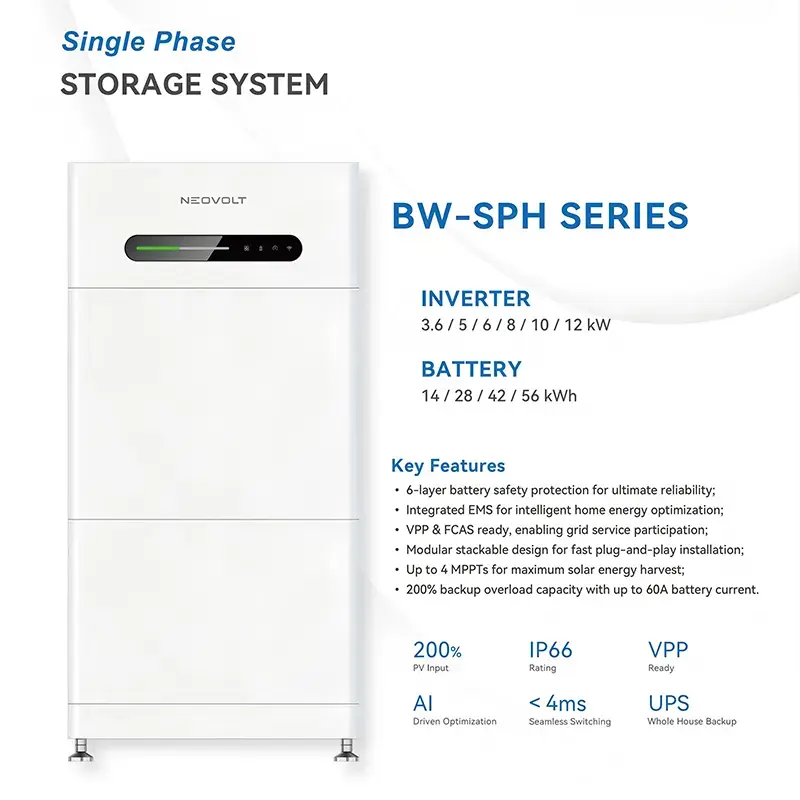
The Growing Demand for Modular Energy Storage
Traditional battery systems may require users to select a fixed storage capacity according to their initial energy needs. However, electricity consumption can change over time as households and businesses add solar panels, electric appliances, or backup loads.
Stackable battery modules provide a more flexible approach. Users can configure the system according to current requirements and expand storage capacity when future energy demand increases.
Flexible Capacity for Different Applications
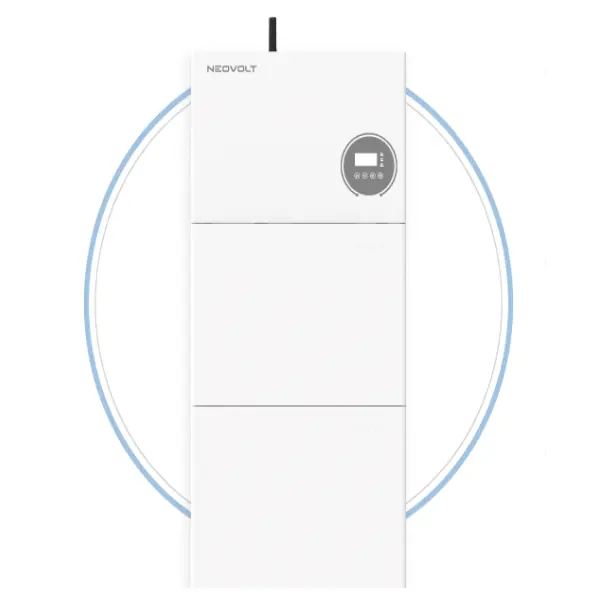
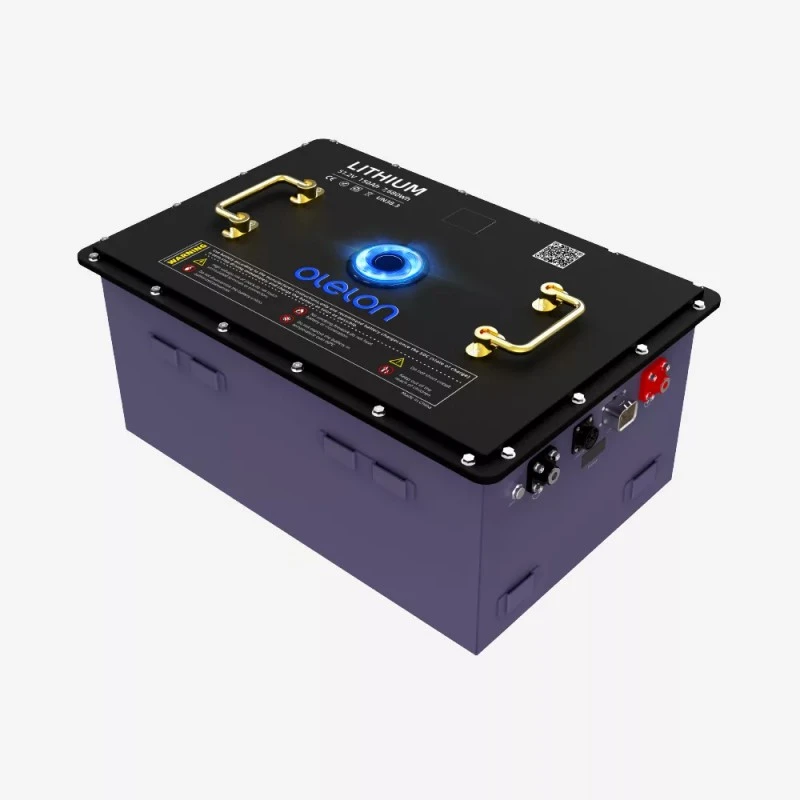
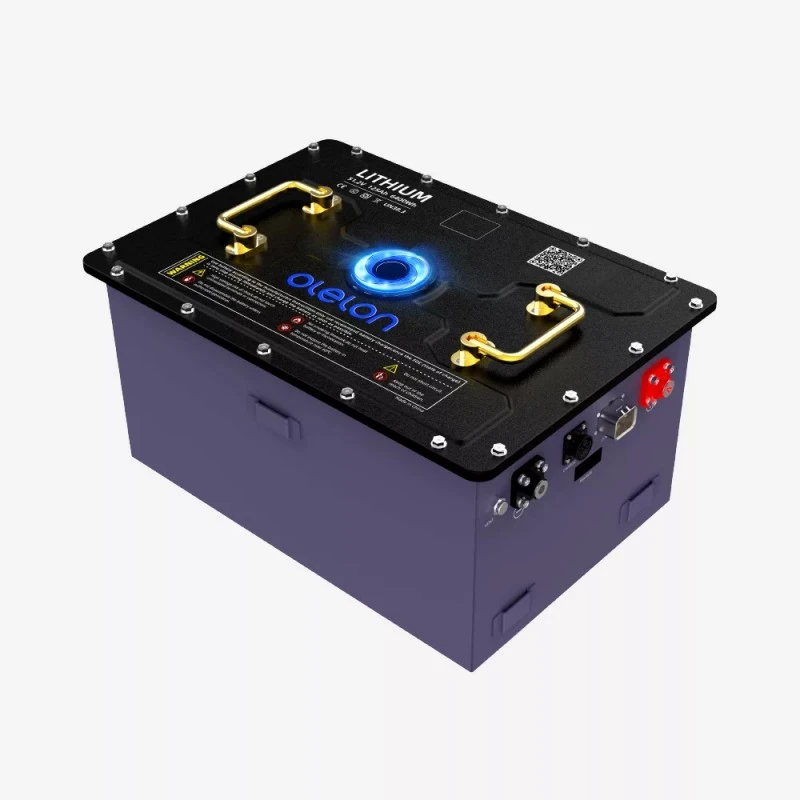
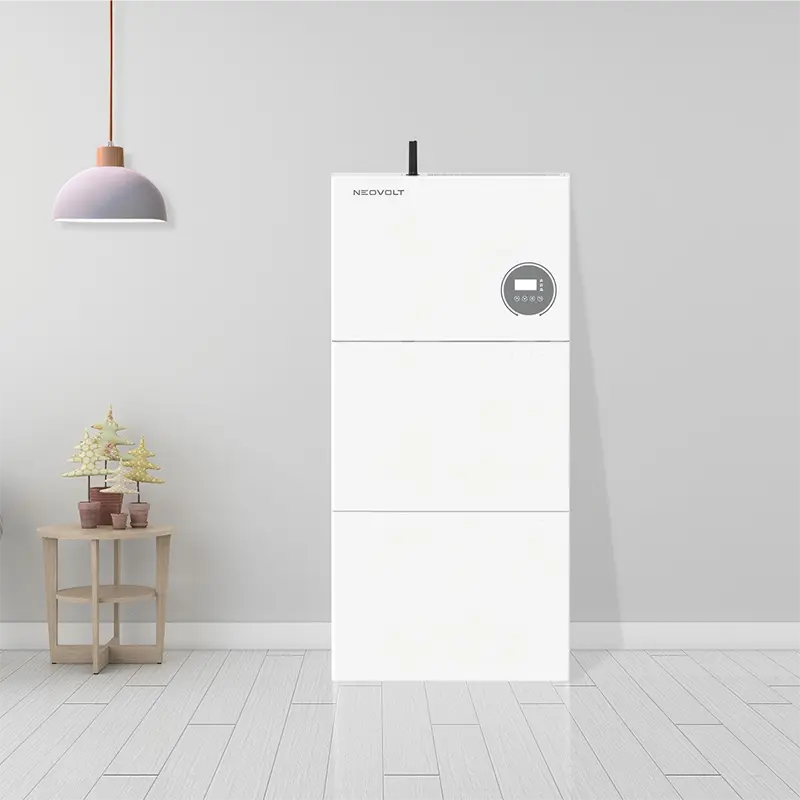
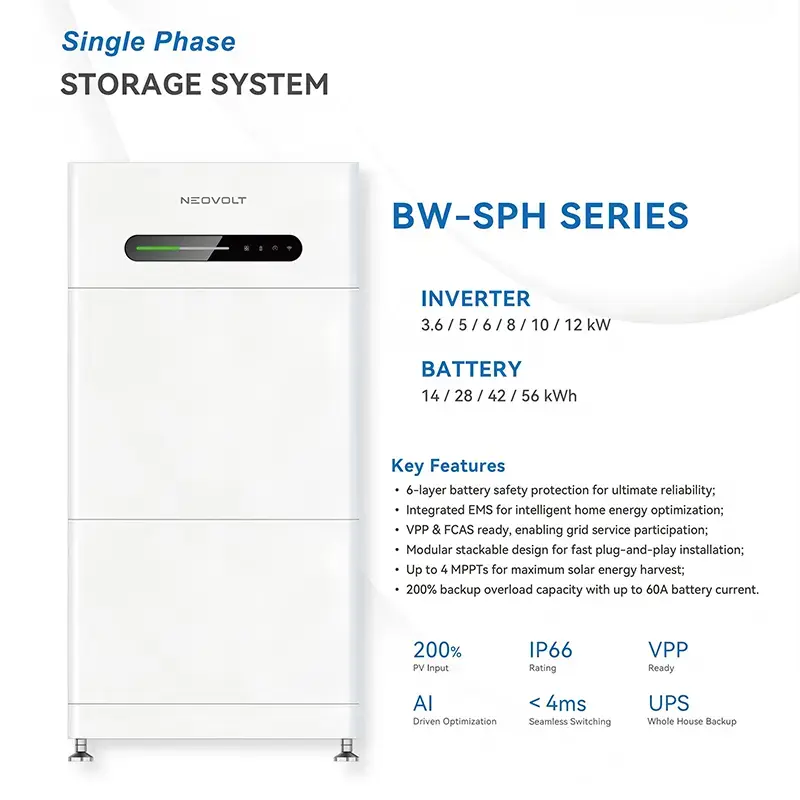
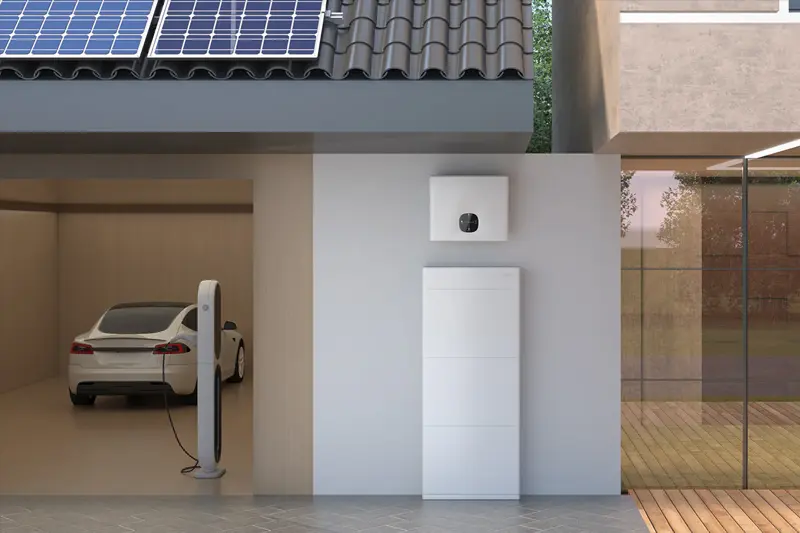
A 7kWh Stackable LiFePO4 Battery Module can serve as a practical building block for residential and small-scale energy storage systems. Multiple modules can be configured according to the required system capacity, making modular design particularly suitable for projects with changing energy requirements.
Why LiFePO4 Technology Is Widely Used
LiFePO4 chemistry has attracted attention in the energy storage industry due to its good thermal stability, safety characteristics, and long cycle life. These properties make it suitable for applications where batteries are expected to operate repeatedly over an extended period.
Compared with selecting a battery system based only on initial capacity, buyers are increasingly considering long-term operating stability, system scalability, installation requirements, and total energy storage value.
Key Applications of Stackable Battery Systems
Stackable LiFePO4 battery modules can be integrated into various energy storage scenarios, including:
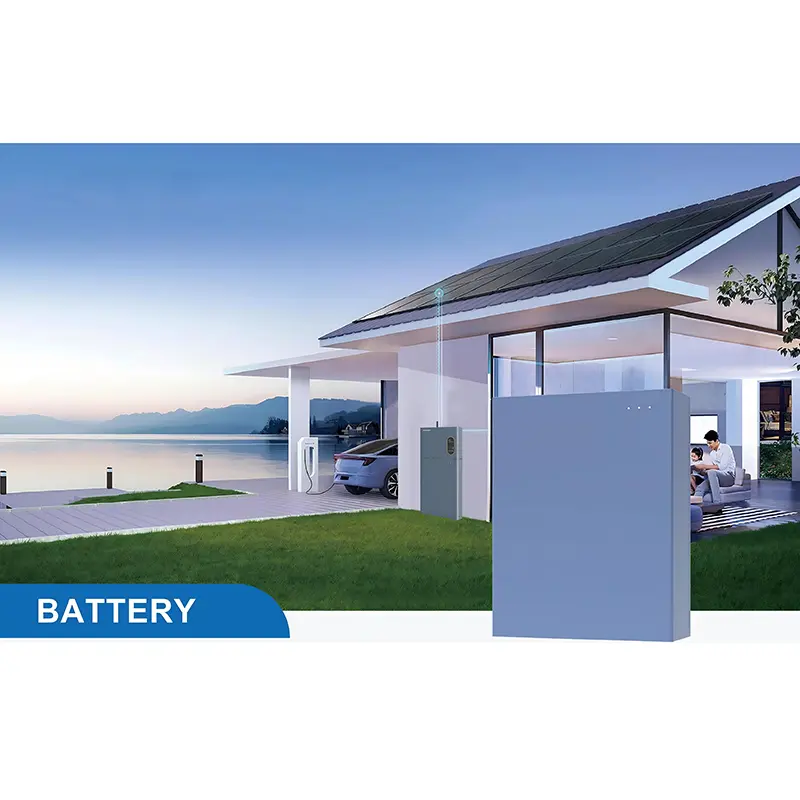
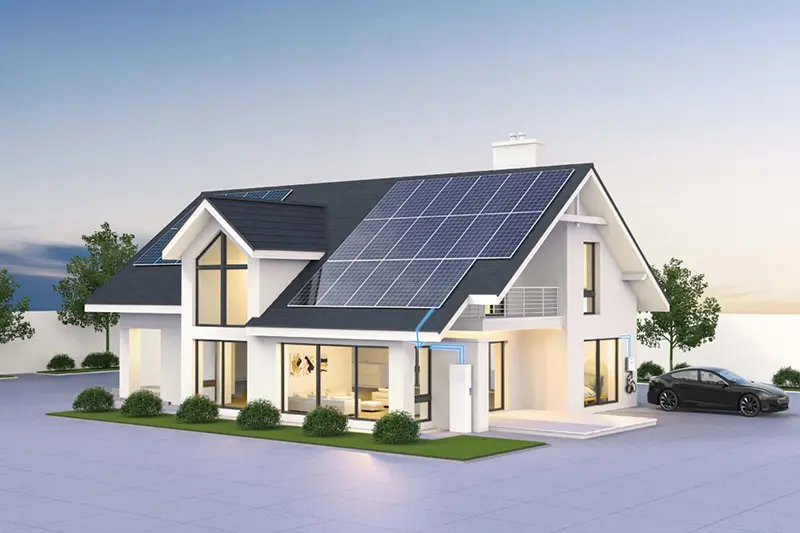
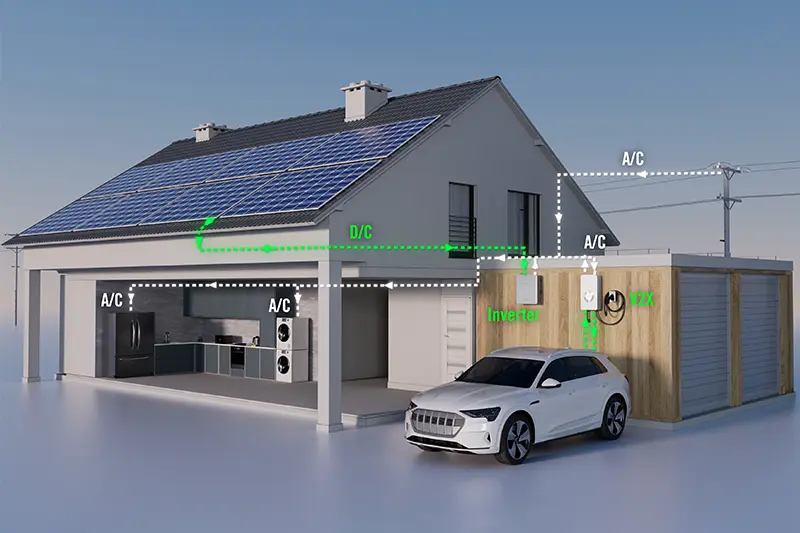
- Residential solar energy storage
- Home backup power systems
- Small commercial energy storage
- Solar self-consumption systems
- Renewable energy storage
- Peak shaving and load shifting
Sinoah's Approach to Modular Energy Storage
Sinoah focuses on practical energy storage solutions for modern power applications. Its 7kWh Stackable LiFePO4 Battery Module combines LiFePO4 battery technology with a stackable structure, providing users with a flexible option for building scalable energy storage systems.
For system integrators, distributors, and energy solution providers, modular battery architecture can simplify capacity planning and provide greater flexibility when developing storage solutions for different customers.
Looking Ahead
As renewable energy adoption continues, energy storage systems are expected to become more flexible, scalable, and application-oriented. Stackable LiFePO4 battery modules offer one practical approach to meeting these changing requirements.
For buyers evaluating energy storage solutions, factors such as battery chemistry, usable capacity, scalability, system compatibility, safety design, and long-term reliability should be considered together. Solutions such as the 7kWh Stackable LiFePO4 Battery Module can provide a flexible foundation for residential and small commercial energy storage projects.
Related News
Leave me a message