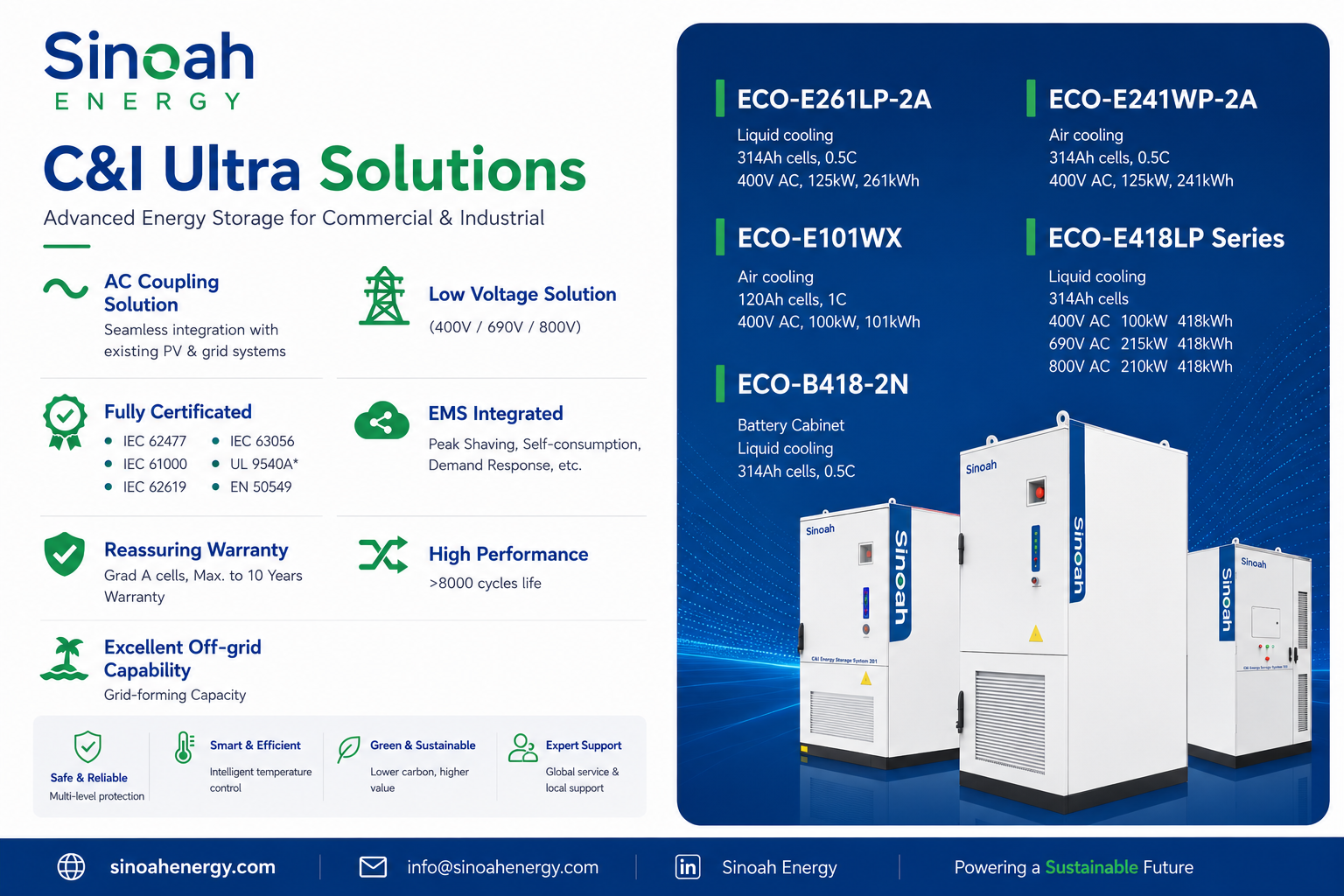

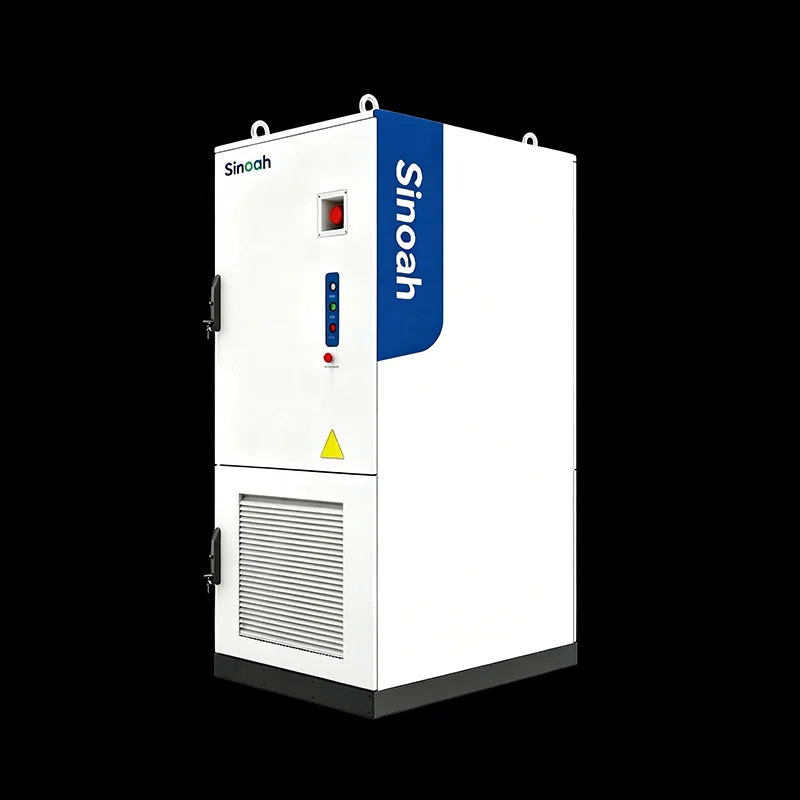
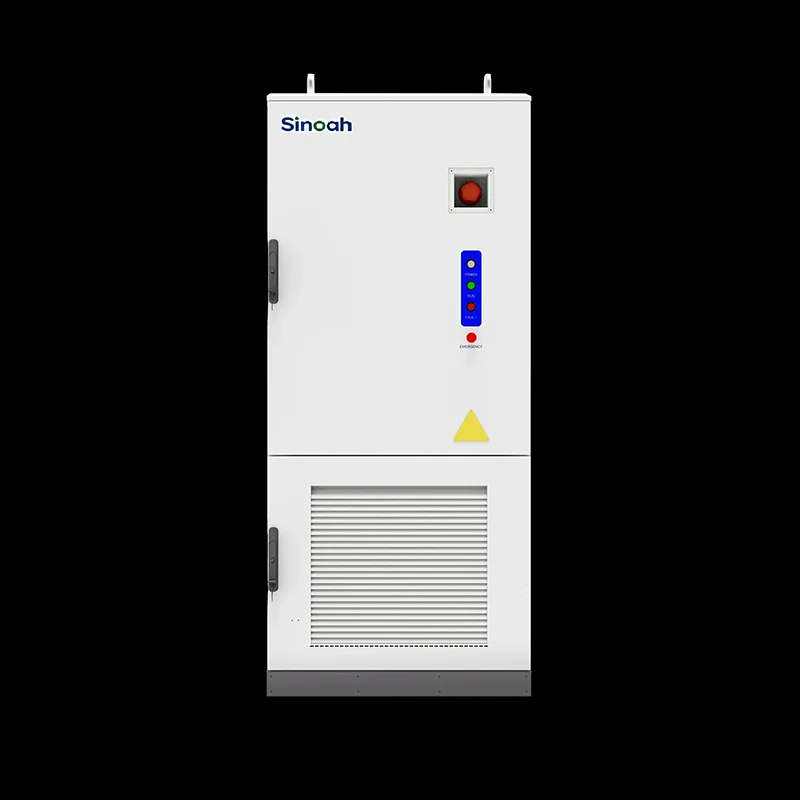
125kW / 261kWh Liquid-Cooled ESS Cabinet
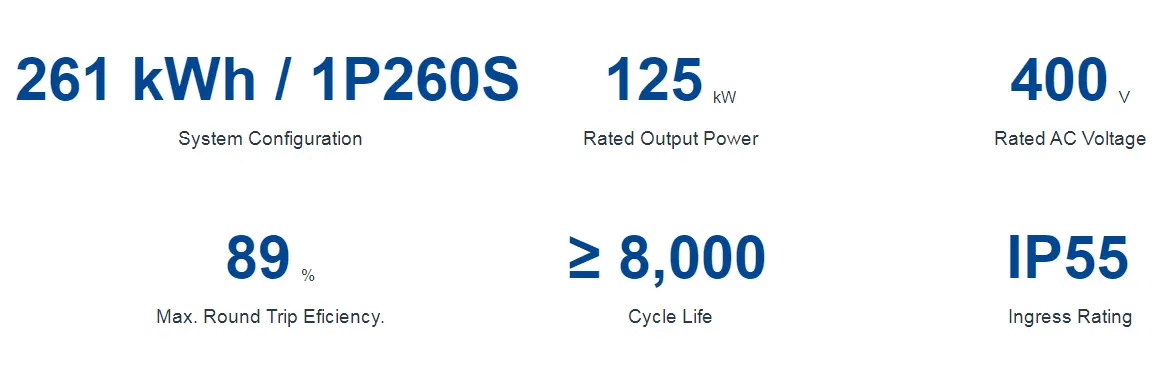
The Sinoah Energy 125kW / 261kWh Liquid-Cooled ESS Cabinet is an all-in-one commercial battery energy storage system designed for UK businesses that need to reduce electricity costs, improve energy resilience, and increase renewable energy utilization. Combining a 261kWh LFP battery system, 125kW bidirectional PCS, BMS, EMS, liquid cooling, power distribution, and fire protection in one cabinet, the system simplifies installation while providing intelligent energy management for commercial and industrial sites.
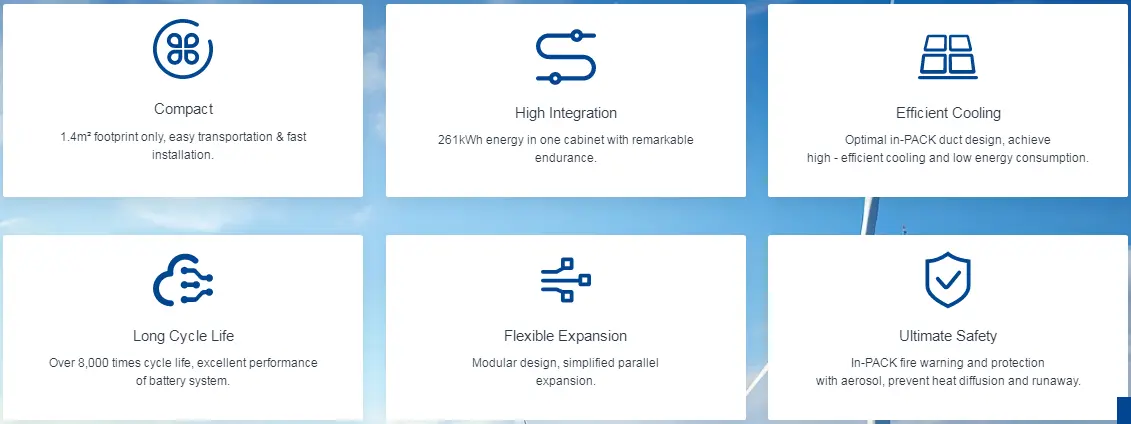
With 314Ah LFP cells, 8000+ cycle life, cell temperature differences controlled within 3°C, and a 10-year cell warranty, the Sinoah Energy 125kW / 261kWh Liquid-Cooled ESS Cabinet is suitable for factories, hotels, warehouses, commercial buildings, solar-plus-storage projects, and EV charging sites. Its compact 1050×1350×2400mm enclosure occupies approximately 1.4m² and provides IP55 protection for demanding outdoor installations.
All-in-One Design for Faster Commercial ESS Deployment
The Sinoah Energy 125kW / 261kWh Liquid-Cooled ESS Cabinet integrates the key components required for commercial energy storage into one factory-assembled system. The battery system uses LFP 3.2V/314Ah cells configured as 1P260S, providing 261kWh capacity with a 728–936V DC voltage range.
A 125kW bidirectional PCS with 400V AC output manages two-way power conversion between the battery and the grid, while the integrated BMS continuously monitors battery conditions at cell level. The built-in EMS controls operating strategies such as peak shaving, load shifting, tariff optimization, and renewable energy utilization. Integrated power distribution, metering, circuit breakers, surge protection, cooling, and aerosol fire protection further reduce the complexity of site installation.
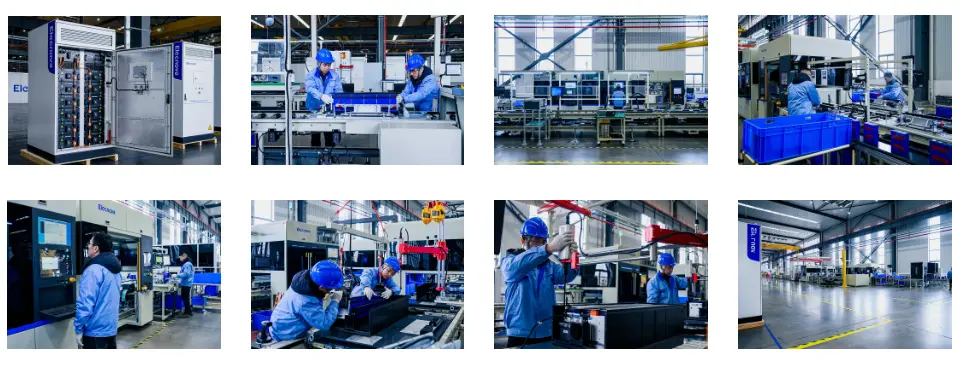
Because the cabinet is pre-assembled and factory-tested, customers mainly need to prepare the installation foundation and complete the required electrical connections, helping shorten deployment time compared with separately installed battery, PCS, and control equipment.
125kW Power and 261kWh Capacity for Commercial Energy Management
The combination of 125kW power output and 261kWh energy capacity provides a practical balance between power demand management and energy shifting. For businesses with short-duration demand peaks, the system can discharge rapidly to reduce grid power demand. For time-of-use applications, it can charge during lower-cost periods and discharge when electricity prices are higher.
The actual backup duration depends on the connected load. At a constant 125kW load, the nominal 261kWh capacity represents roughly two hours of theoretical energy supply before system losses and reserve settings. Lower critical loads can extend the available backup duration, making the cabinet suitable for different emergency power strategies.
Advanced Liquid Cooling with Temperature Balancing Within 3°C
Battery temperature uniformity has a direct impact on cell aging, safety, and long-term system performance. The Sinoah Energy ECO-E261LP-2A uses pack-level liquid cooling to maintain cell temperature differences within 3°C.
More uniform cell temperatures help reduce localized thermal stress and support consistent charging and discharging performance. The liquid cooling system is combined with forced air cooling for the PCS and other electrical components, creating a hybrid thermal management architecture.
This approach also supports a compact cabinet design, allowing 261kWh of battery capacity to fit within a 1050×1350×2400mm enclosure. The system is designed for operation in ambient temperatures from -25°C to +55°C.
Intelligent EMS for Peak Shaving, Load Shifting and Solar Optimization
The integrated EMS allows the Sinoah Energy ESS Cabinet to respond to changing electricity demand and energy prices. Instead of operating only as a backup battery, the system can actively manage how and when electricity is stored and used.
1. Peak Shaving and Load Shifting
During periods of high electricity demand, the EMS can command the battery to discharge and reduce the amount of power drawn from the grid. During lower-demand periods, the system can recharge the battery. This helps businesses manage demand peaks and optimize their electricity consumption profile.
2. Time-of-Use Tariff Optimization
Businesses operating under time-of-use electricity tariffs can charge the battery during lower-cost periods and discharge during higher-cost periods. The financial benefit depends on local electricity prices, operating schedules, system efficiency, and cycling strategy.
3. PV + Storage Integration
For commercial buildings equipped with solar PV, excess solar generation can be stored instead of being exported when onsite demand is low. The stored energy can then be used later when solar generation decreases, improving solar self-consumption and reducing reliance on grid electricity.
4. PV + Storage + EV Charging
EV charging can create sudden increases in site power demand. The 125kW ESS Cabinet can act as an energy buffer for charging infrastructure, helping businesses manage charging loads and potentially reduce the need for costly grid connection upgrades, subject to site electrical conditions.
5. Emergency Power Supply
When configured for backup operation, the system can provide power to designated critical loads during grid interruptions. The available backup duration depends on the load profile, reserve settings, PCS configuration, and site electrical design.
Compact IP55 Cabinet for Outdoor Commercial Installation
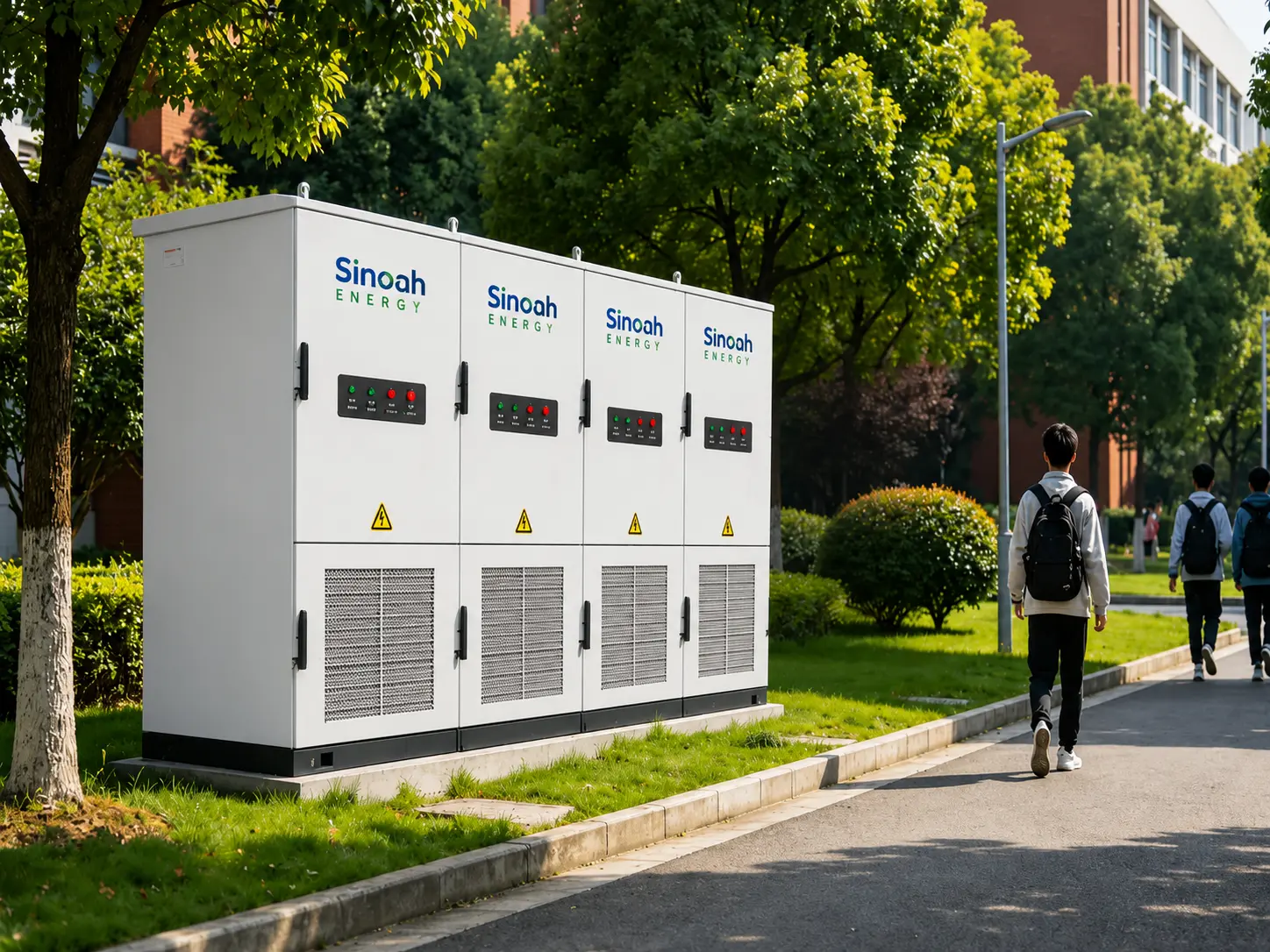
Commercial energy storage projects often have limited indoor space, making outdoor installation an important consideration. The Sinoah Energy cabinet measures 1050×1350×2400mm and occupies approximately 1.4m² of footprint.
Its IP55 enclosure provides protection against dust ingress and water jets, while C4 corrosion protection supports installation in industrial and coastal environments. C5 corrosion protection is also available where required by the project environment.
The installation site should provide a suitable concrete foundation, sufficient ventilation and safety clearances, and appropriate access for inspection and maintenance.
Multi-Layer Battery and Fire Safety Protection
Safety is critical when deploying a 261kWh lithium battery system in a commercial environment. Sinoah Energy combines cell-level monitoring, BMS protection, thermal management, and fire suppression within the cabinet.
The BMS monitors operating conditions and provides protection against over-voltage, under-voltage, over-current, over-temperature, and short-circuit conditions. An aerosol-based PACK-level fire suppression system is integrated to respond to detected fire events at the battery level.
The system is designed according to international standards and certification requirements, including UN38.3, IEC 62619, IEC 63056, IEC 62477-1, IEC 61000-6-2/4, and UL 9540A. Applicable grid compliance includes EN 50549, G99, VDE4105, NRS097, C10/11, CEI0-21, and CEI0-16 configurations according to the target market and project requirements.
Technical Specifications
| DC Side | |
| Cell Type | LFP/314 Ah |
| Pack Configuration | 52.2 KWh/1P52S |
| System Configuration | 261 kWh/1P260S |
| Rated DC Voltage | 832V |
| DC Voltage Range | 728~936V |
| Max.Charge/Discharge Rate | 0.5P |
| Max.Depth of Discharge | 100%(25±2℃) |
| AC Side | |
| Rated Output Power | 125 KW |
| Rated AC Voltage | 400V |
| AC Voltage Range | ±15% |
| Grid Type | 3W+N+PE |
| Rated Frequency | 50Hz/60Hz |
| Power Factor | 0.99/-1~+1 |
| THDi | ≤3% |
| DC Ratio | <0.5%Ipn |
| General |
|
| Max.Round Trip Efficiency | 89% |
| Cycle Life | ≥8,D0D cycles |
| Communication | Modbus TCP/IP |
| Fire Suppression System | Aerosol |
| Ingress Rating | P55 |
| Cooling | Liquid cooling+Forced air cooling |
| Operating Temperature | 25°℃~55℃(Derating after 45℃) |
| Anticorrosion Rating | C4(C5 optional) |
| Humidity | 0~95%RH(non-condensing) |
| Noise | ≤75 dB |
| Altitude | 30D0m (Derating above 2000m) |
| Dimensions (W*D*H) | 1,050*1,350*2,400 mm |
| Weight | 2,6DD kg |
| Safety/EMC | UN38.3,IEC62619,IEC63056,IEC62477-1,IEC61000-6-2/4, UL9540A |
| Grid code | EN50549-1/-10,EN50549-2/-10,G99,VDE4105, NRSD97,C10/11,CEI0-21,CEI0-16 |
Typical Applications for the 125kW / 261kWh ESS Cabinet
1. Manufacturing Facilities
Factories with machinery, production lines, compressors, or other high-power equipment can use the system to reduce demand peaks and shift energy consumption to lower-cost periods.
2. Hotels and Commercial Buildings
Hotels, offices, shopping facilities, and other commercial buildings can combine battery storage with solar PV to improve self-consumption, manage peak demand, and maintain critical loads during grid interruptions.
3. Warehouses and Logistics Centers
Warehouses can use the cabinet to manage electricity demand from lighting, HVAC, refrigeration, automation systems, and charging equipment while providing backup energy for essential operations.
4. Commercial Solar + Storage Projects
The system stores surplus PV generation during periods of low onsite demand and releases stored energy when solar output decreases, helping businesses increase the value of their solar investment.
5. EV Charging Infrastructure
The ESS cabinet can provide additional power capacity for commercial EV charging applications by buffering high charging loads and reducing the impact of simultaneous charging demand on the grid connection.
Example: Commercial Hotel Energy Management
A 120-room hotel with a 150kW solar PV system, EV charging infrastructure, and annual electricity consumption of approximately 450,000kWh may experience significant demand peaks during afternoon check-in and evening operations.
With an appropriate EMS strategy, the Sinoah Energy 125kW / 261kWh ESS Cabinet can discharge during periods of high site demand, store surplus solar energy, and charge during lower-cost tariff periods. The potential savings depend on the hotel's actual load profile, tariff structure, solar generation, operating schedule, and local grid charges.
For this type of project, the system can simultaneously address peak demand management, solar self-consumption, time-of-use optimization, and emergency power requirements rather than relying on a single energy-saving strategy.
Long-Term Reliability and UK Technical Support
Sinoah Energy combines factory-direct manufacturing with UK-based technical support for commercial energy storage projects. The 125kW / 261kWh system provides an 8000+ cycle life and a 10-year cell warranty, supporting long-term project planning.
As an integrated system, the cabinet provides one coordinated solution for the battery, PCS, BMS, EMS, cooling, power distribution, and safety functions. Sinoah Energy can also support project-specific configuration, installation planning, system expansion, and technical requirements for different commercial sites.
Real-World Application: A 120-Room Hotel Cuts Energy Costs by 30%
A 120-room hotel in the South East of the UK has a 150kW solar PV system, EV charging facilities for guests, and annual electricity consumption of approximately 450,000kWh. The hotel operates under a Time-of-Use tariff, with peak electricity rates of 32p/kWh and off-peak rates of 11p/kWh.
Before installation, the hotel's electricity demand regularly reached around 180kW during afternoon check-in, kitchen operation, and evening service. These demand peaks increased electricity costs, while part of the hotel's daytime solar generation was exported to the grid at relatively low rates.
After installing the Sinoah Energy 125kW / 261kWh Liquid-Cooled ESS Cabinet, the integrated EMS was configured for peak shaving, solar optimization, and time-of-use energy management. During afternoon demand peaks, the battery discharged to reduce grid demand from approximately 180kW to below 125kW, generating more than £10,000 in potential annual demand-related savings.
At the same time, surplus solar generation that was previously exported could be stored in the 261kWh battery and used during evening operations. Under the example operating conditions, solar self-consumption increased from approximately 50% to more than 85%, creating additional electricity savings.
The system also charged during the overnight off-peak period at approximately 11p/kWh and discharged during higher-cost periods at around 32p/kWh. This 21p/kWh price difference created an additional opportunity for tariff arbitrage, subject to battery efficiency and the site's actual operating strategy.
Based on these operating assumptions, the hotel could achieve total annual energy savings of more than £25,000, while also gaining backup power capability and better utilization of its solar PV system. With an 8000+ cycle life and 10-year cell warranty, the Sinoah Energy system provides a long-term solution for reducing energy costs and improving power resilience.
FAQs
1. How much can a 125kW / 261kWh ESS system save a business?
Potential savings depend on electricity tariffs, peak demand charges, daily load patterns, solar generation, battery operating strategy, and local regulations. For suitable commercial sites, peak shaving, tariff arbitrage, and increased solar self-consumption can generate significant annual savings. A site-specific load and tariff analysis should be completed before calculating the expected payback period.
2. How much installation space does the system require?
The cabinet measures 1050×1350×2400mm and occupies approximately 1.4m² of footprint. A suitable concrete foundation and sufficient clearance for electrical connections, safety requirements, inspection, and maintenance should be provided.
3. What is the difference between liquid cooling and air cooling?
The battery packs use liquid cooling to maintain cell temperature differences within 3°C, improving temperature uniformity and helping reduce thermal stress. Forced air cooling is also used for the PCS and other components. This hybrid thermal management design provides more precise battery temperature control than an air-only battery cooling system.
4. How long can the 261kWh battery provide backup power?
Backup duration depends on the actual connected load. At a continuous 125kW load, 261kWh represents approximately two hours of theoretical battery energy before accounting for conversion losses, operating reserves, and system limits. Lower loads can provide longer backup durations.
5. Can the 125kW / 261kWh system work with solar PV?
Yes. The integrated EMS can coordinate PV generation and battery charging and discharging. Surplus solar energy can be stored for later use, helping increase onsite solar consumption and reduce grid electricity purchases.
6. Can the system support EV charging?
Yes. The ESS cabinet can be integrated with commercial EV charging infrastructure. By supplying additional power during high charging demand, it can help manage site peak loads and reduce pressure on the existing grid connection.
7. Is the cabinet suitable for outdoor installation?
Yes. The cabinet has an IP55-rated enclosure and C4 corrosion protection, making it suitable for appropriate outdoor commercial installations. Site conditions, foundation design, clearances, fire safety requirements, and local regulations should be assessed before installation.
Hot Tags: 125kW / 261kWh Liquid-Cooled ESS Cabinet, China, Manufacturer, Supplier, Factory
Send Inquiry
Contact Info
-
Address
Neo bankside, 50 Holland Street, London, SE1 9FU, United Kindom
-
Tel
-
Email
If you have any inquiry about a quotation or cooperation, please feel free to email or use the following inquiry form. Our sales representative will contact you within 24 hours.