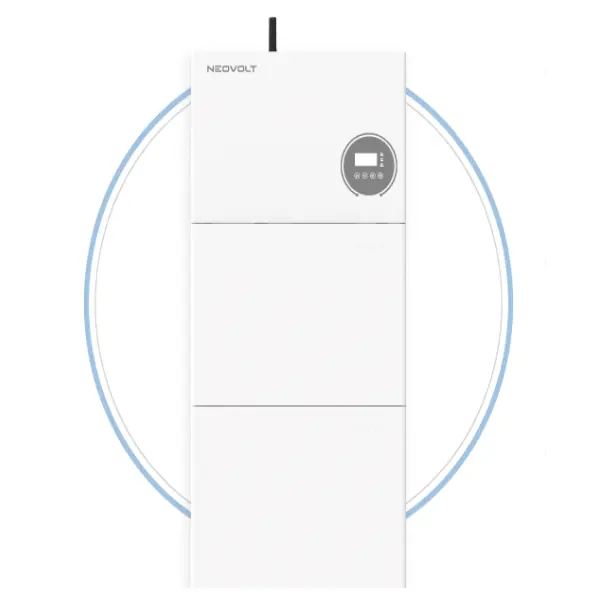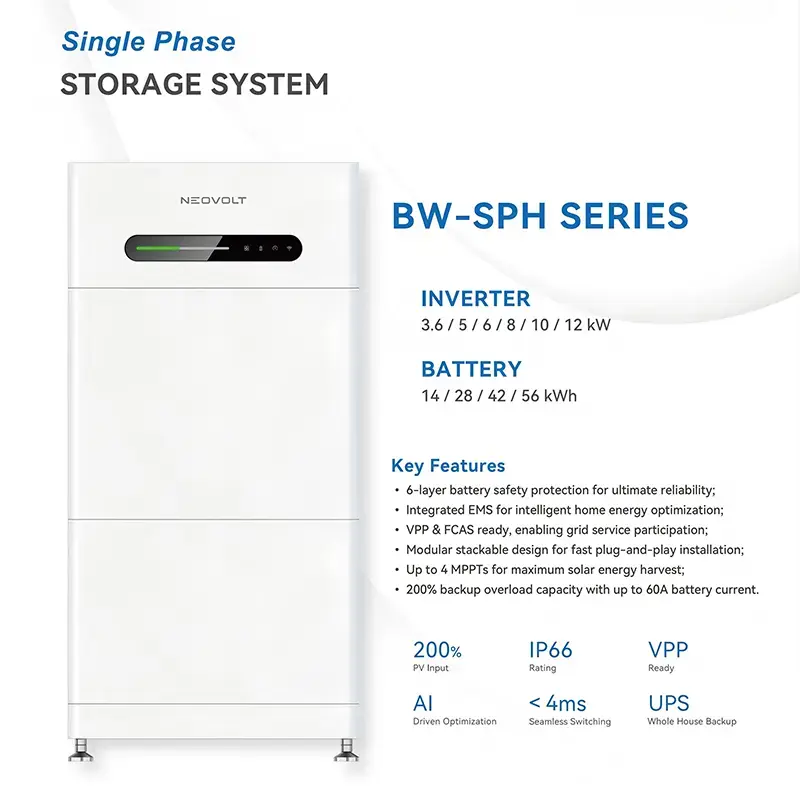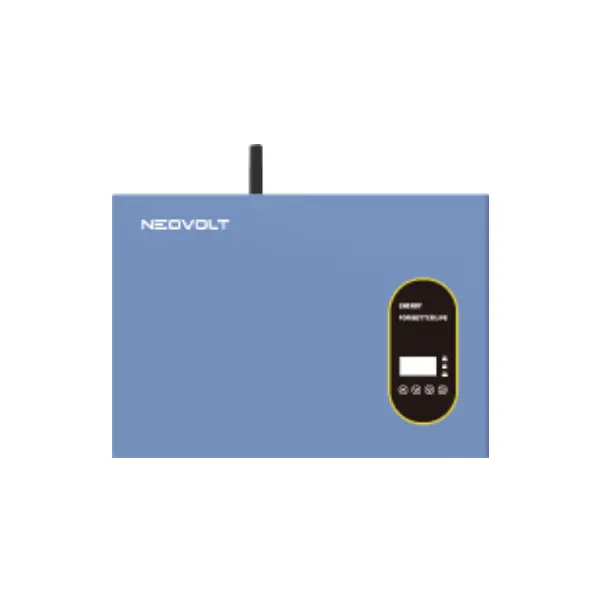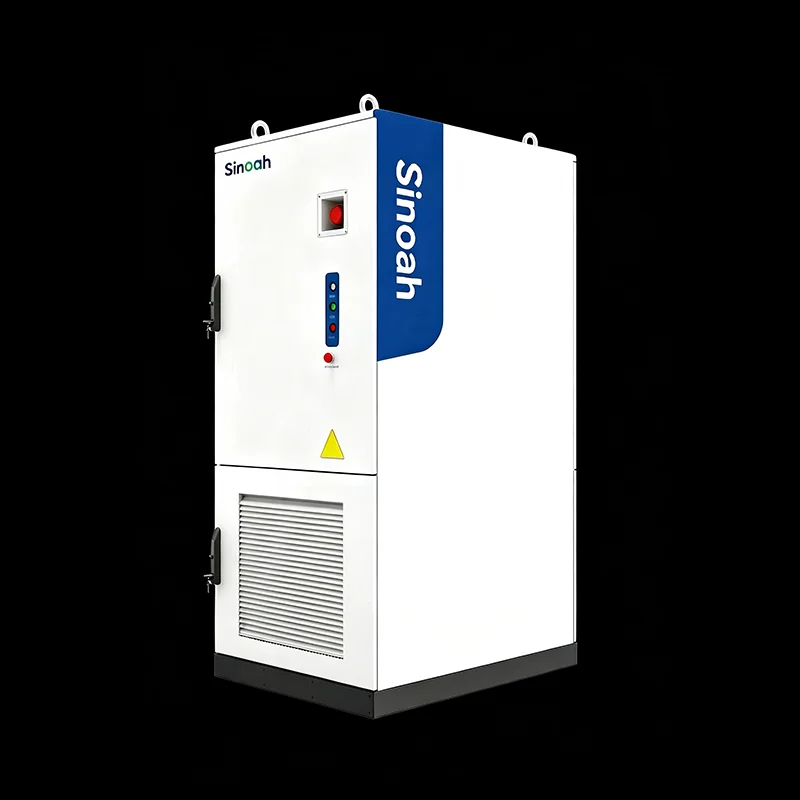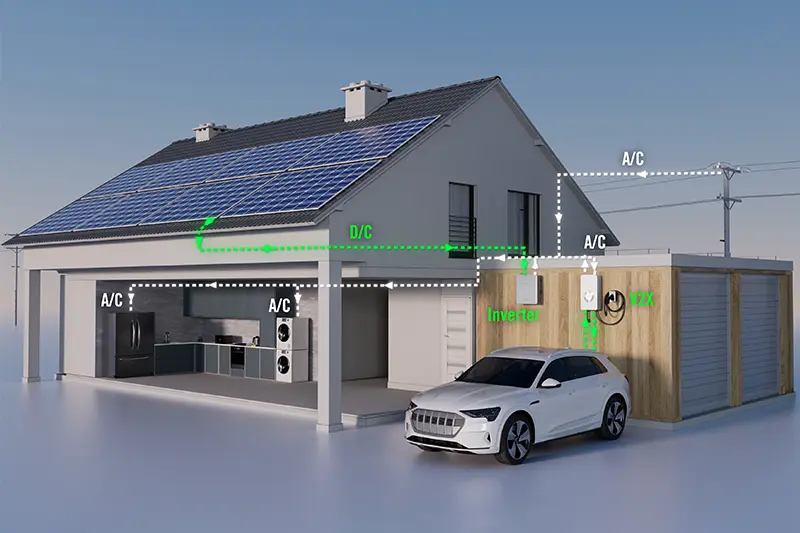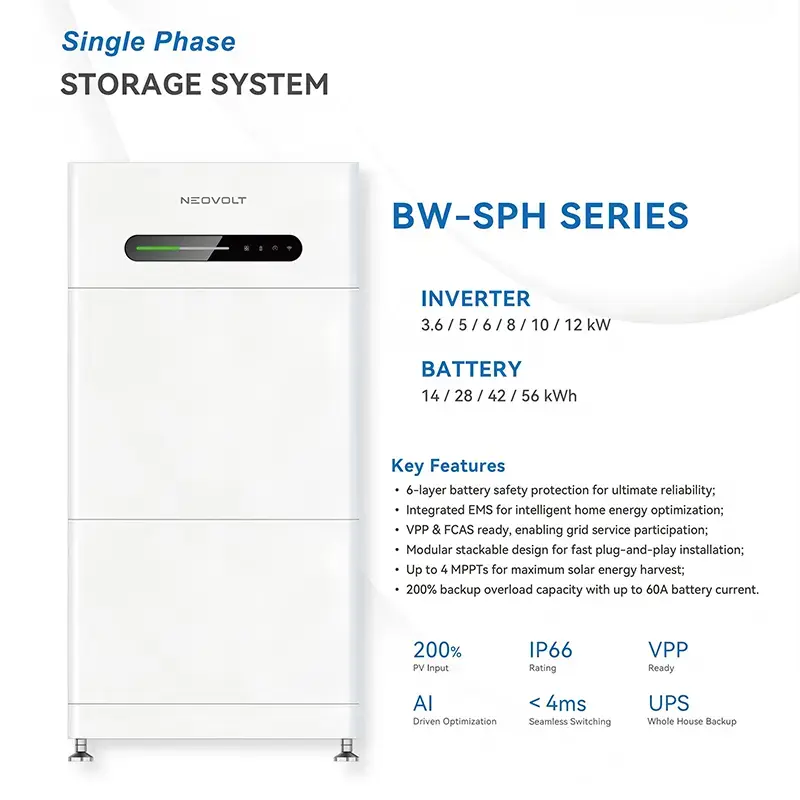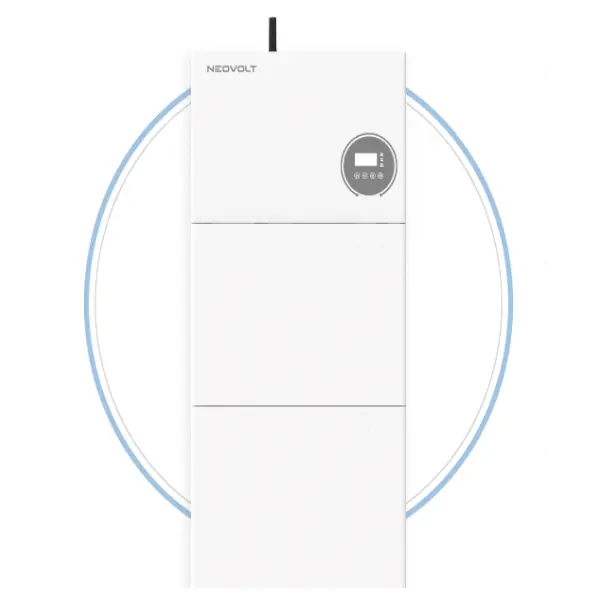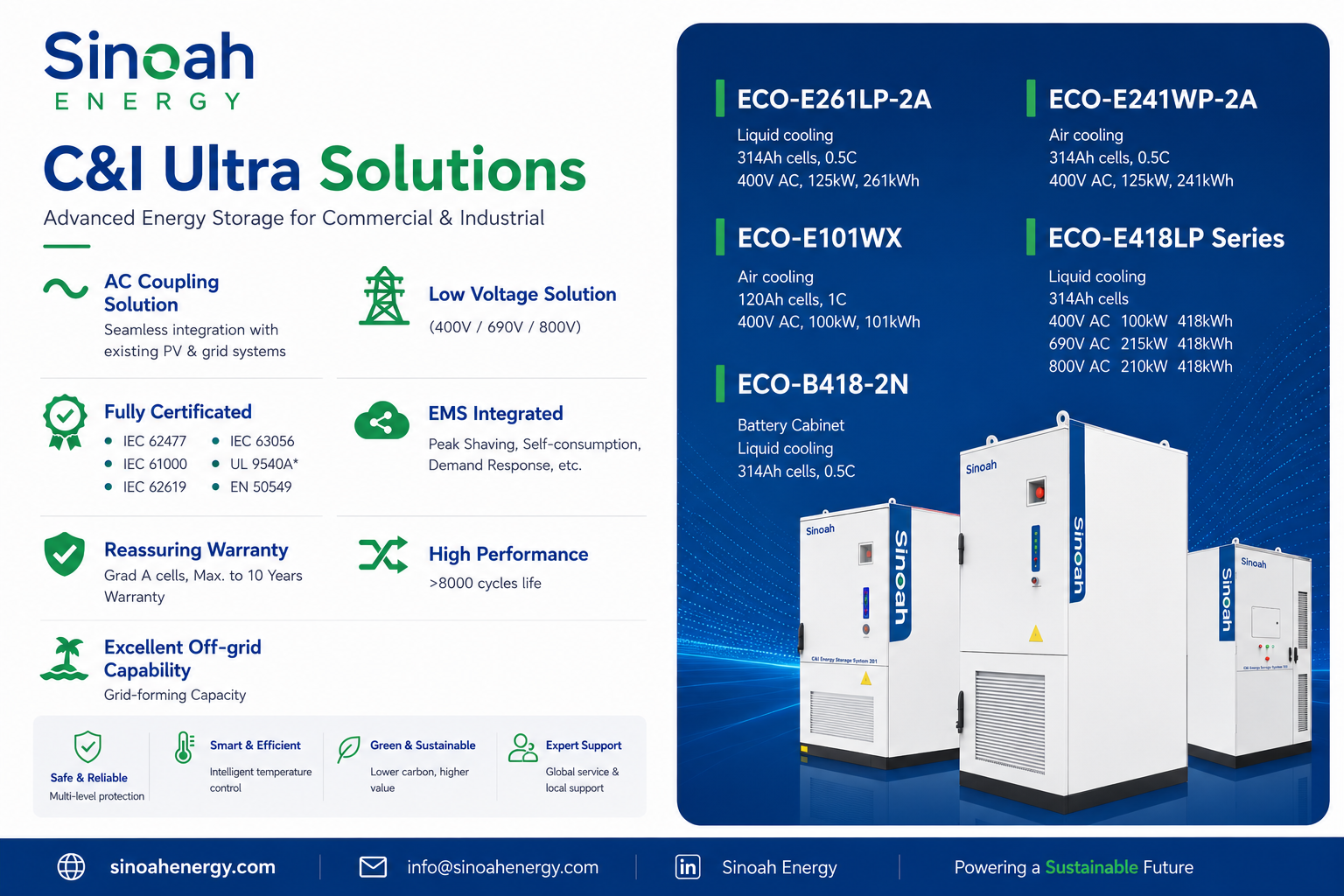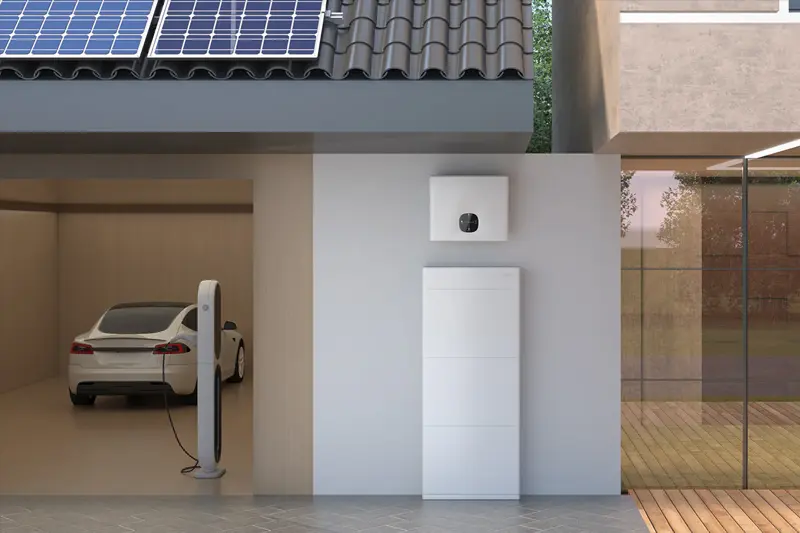
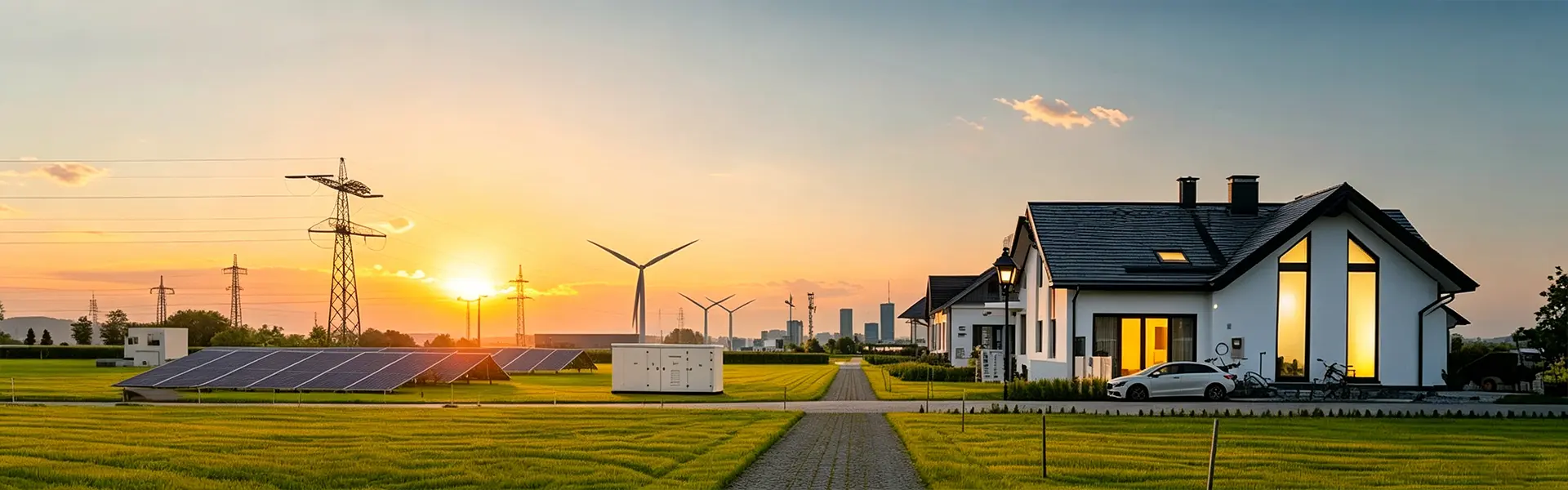
A 10kW Single Phase Hybrid Inverter is designed to coordinate solar panels, battery storage, household or commercial loads, and the utility grid within one energy management system. For users dealing with high electricity demand, unstable grid supply, rising energy costs, or limited rooftop space, the right inverter can help improve solar self-consumption and provide a structured path toward battery backup. This guide explains how a 10kW single-phase hybrid inverter works, what its main components do, which specifications matter, and how to plan a reliable system around real-world energy needs.
Table of Contents
- 1. Understanding the 10kW Single Phase Hybrid Inverter
- 2. How Does It Manage Different Energy Sources?
- 3. Why Does 10kW Capacity Matter?
- 4. Which Technical Specifications Matter Most?
- 5. How Should Battery Storage Be Planned?
- 6. How Should the Solar PV System Be Matched?
- 7. What Happens During a Power Outage?
- 8. What Installation Problems Should Be Avoided?
- 9. How Can a Practical Energy System Be Built?
- 10. Frequently Asked Questions
1. Understanding the 10kW Single Phase Hybrid Inverter
A hybrid inverter combines the functions of a solar inverter and a battery inverter in one coordinated device. Instead of treating solar generation and energy storage as completely separate systems, it can manage power flows between photovoltaic panels, batteries, electrical loads, and the utility grid. This configuration is particularly useful for properties that want to increase solar self-consumption while retaining access to grid electricity and battery backup.
The “10kW” rating refers to the inverter's nominal AC power capacity. The “single phase” designation identifies the type of electrical supply it is designed to work with. The actual voltage, frequency, maximum current, PV input range, battery voltage range, and grid requirements depend on the specific model and market.
A hybrid inverter may also support several operating strategies, including self-consumption, battery backup, time-of-use energy management, and controlled grid charging. However, functions vary by model, so installers should always verify the manufacturer's technical documentation before designing the system.
2. How Does It Manage Different Energy Sources?
The major advantage of a hybrid architecture is coordinated energy management. Solar electricity is generated as DC power, while most household and commercial appliances use AC power. Batteries store DC energy, and the utility grid supplies AC power. The inverter acts as the control and conversion point between these sources.
In a typical self-consumption strategy, solar power first supplies active loads. Surplus energy may then charge the battery, with additional electricity potentially exported to the grid if permitted. When solar production declines, the battery may support the loads before grid electricity is used, depending on the selected operating mode.
This coordinated approach can help address a common problem: solar generation often peaks during daylight hours, while residential electricity demand may increase in the evening. Battery storage allows part of the daytime solar generation to be shifted toward later consumption.
3. Why Does 10kW Capacity Matter?
A 10kW class inverter can be suitable for properties where electricity demand is considerably higher than that of a small residential installation. It may be used in larger homes, workshops, small commercial buildings, farms, offices, or other facilities with substantial single-phase loads.
The important point is not simply the number “10kW.” The inverter should be matched to the site's actual load profile. A property may have a high short-term peak caused by motors, pumps, compressors, air conditioners, or other equipment while maintaining a much lower average load.
| System Factor | Why It Matters | What to Check |
|---|---|---|
| Continuous AC Power | Determines how much load can be supplied continuously. | Rated output power and operating conditions. |
| Peak Power | Motors and compressors may require additional starting power. | Surge capacity and duration. |
| Battery Output | A large inverter cannot deliver full power if the battery cannot provide sufficient current. | Battery voltage, maximum discharge current, and BMS limits. |
| PV Capacity | Determines how much solar generation can be connected. | Maximum PV power, voltage, current, and MPPT range. |
| Grid Connection | Local utilities may impose export or current limits. | Grid voltage, frequency, phase, and local regulations. |
4. Which Technical Specifications Matter Most?
Product labels can make hybrid inverters appear similar, but the detailed specifications can be significantly different. A careful comparison should focus on electrical compatibility rather than rated output alone.
AC Output Specifications
A single-phase 10kW inverter commonly operates around the 220–240V range in markets using that supply configuration, with 50Hz or 60Hz depending on the electrical grid. Some 10kW products list an AC output current around 43–46A at 220–240V, but the exact value varies by rated voltage and design.
PV Input and MPPT
Maximum PV input voltage, operating voltage range, maximum PV current, short-circuit current, and the number of MPPT channels are essential specifications. More MPPT channels can provide greater flexibility when roof orientations, shading conditions, or string configurations differ.
Efficiency
Conversion efficiency affects how much generated energy reaches the loads or battery. Published specifications for 10kW hybrid inverter models can approach the upper-90% range, but maximum efficiency should not be interpreted as the efficiency achieved under every operating condition.
Protection and Enclosure
For outdoor or demanding installations, protection against dust and water, temperature management, surge protection, overcurrent protection, and appropriate installation conditions can directly affect long-term reliability.
For example, current 10kW single-phase products on the market show substantial variation in battery voltage, MPPT configuration, maximum PV input, AC current, enclosure rating, and communication interfaces. This is why the exact model datasheet should always be used for final system design.
5. How Should Battery Storage Be Planned?
Battery capacity and inverter power are two different concepts. A 10kW inverter describes power capability, while battery capacity is generally expressed in kWh and describes how much energy can be stored.
For example, a battery with a usable capacity of 20kWh does not mean that it can automatically deliver 10kW continuously. The battery's maximum charge/discharge current, voltage, BMS limits, temperature, state of charge, and inverter compatibility all influence actual performance.
Battery Questions to Check Before Installation
- Is the battery voltage compatible with the inverter?
- Does the inverter support the battery chemistry and BMS communication protocol?
- What is the maximum continuous charging current?
- What is the maximum continuous discharge current?
- How much usable energy is available?
- Can additional battery modules be added later?
- Does the battery manufacturer approve the specific inverter model?
6. How Should the Solar PV System Be Matched?
The PV array should be designed according to the inverter's permitted DC voltage, current, maximum PV power, and MPPT operating range. Some 10kW single-phase hybrid models allow PV input above the inverter's AC rating, which can help improve solar production during periods of weak sunlight or unfavorable weather.
For example, published specifications from different 10kW products show maximum PV input values ranging from approximately 13kW to 20kW or more, depending on the architecture. These figures are examples rather than universal requirements, and the inverter manufacturer's limits must be followed.
PV Design Checklist
- Calculate the expected annual and seasonal solar production.
- Check the minimum and maximum string voltage.
- Check the maximum current of each MPPT input.
- Account for low-temperature increases in PV open-circuit voltage.
- Evaluate shading and different roof orientations.
- Match string configuration to the available MPPT channels.
- Confirm local electrical and grid-connection requirements.
Proper string design is particularly important because exceeding voltage or current limits can damage equipment or cause the system to operate outside its intended conditions.
7. What Happens During a Power Outage?
One of the main reasons users consider hybrid systems is backup power. However, the word “hybrid” alone does not guarantee that every inverter can provide backup electricity during a blackout.
A backup-capable system generally needs a compatible battery and an inverter designed to isolate the protected loads from the utility grid when grid power fails. The inverter then establishes the appropriate local AC supply for the backup circuits.
This distinction matters because standard grid-connected solar inverters normally shut down when the utility grid is unavailable. Anti-islanding protection is necessary to prevent unintended energization of the utility network.
Backup Planning Should Consider
- Which circuits are considered essential?
- What is the combined continuous load?
- Which appliances have high starting currents?
- How long should backup power be maintained?
- How much battery energy is available?
- Can the solar array recharge the battery during an outage?
For example, a backup circuit may prioritize refrigerators, lighting, networking equipment, pumps, security systems, computers, or selected HVAC equipment rather than attempting to operate every appliance simultaneously.
8. What Installation Problems Should Be Avoided?
Many system problems are not caused by the inverter itself but by a mismatch between the inverter, battery, PV array, electrical loads, and installation environment.
Oversizing the Load
Connecting too many high-power appliances to the backup output can cause overload protection to activate. Large motors and compressors require particular attention because their startup current may be significantly higher than their normal running current.
Ignoring Battery Limits
A 10kW inverter may request substantial battery current when operating at high output. A battery bank with insufficient discharge capability can therefore limit the actual available inverter power.
Using the Wrong PV String Configuration
Voltage and current must remain within the inverter's specified input range across changing weather conditions. PV voltage should be checked under both expected operating temperatures and worst-case conditions.
Assuming Every Hybrid Inverter Has the Same Functions
Backup capability, off-grid operation, generator integration, export control, battery charging from the grid, parallel operation, and monitoring features vary between models. These functions should be confirmed from the product documentation rather than inferred from the word “hybrid.”
9. How Can a Practical Energy System Be Built?
The most reliable approach is to start with the site's energy behavior rather than choosing an inverter based solely on its headline power rating.
| Planning Stage | Key Question | Recommended Focus |
|---|---|---|
| Load Assessment | How much electricity is used and when? | Daily consumption, peak loads, seasonal demand. |
| Solar Design | How much PV can the site support? | Roof area, orientation, shading, voltage, current. |
| Battery Planning | How much energy should be stored? | Nighttime consumption, backup duration, battery power. |
| Inverter Selection | Can the inverter handle the electrical system? | 10kW output, phase, voltage, frequency, PV and battery limits. |
| Backup Design | Which loads need to remain operational? | Critical-load circuits, surge demand, battery reserve. |
| Monitoring | How will performance be checked? | Energy generation, battery state, load consumption and alarms. |
This approach helps prevent a common purchasing mistake: selecting a high-power inverter without considering the battery, solar array, electrical phase, or actual load profile. A properly integrated system can make better use of available solar generation while providing a more predictable energy management strategy.
For businesses and households that expect their electricity requirements to grow, scalability should also be considered. Battery expansion, parallel inverter operation, communication interfaces, monitoring platforms, and future PV capacity can influence the long-term value of the installation.
10. Frequently Asked Questions
What is a 10kW Single Phase Hybrid Inverter used for?
It is used to manage solar PV generation, battery storage, electrical loads, and grid electricity within a single-phase energy system. Typical applications include larger residential properties, small commercial facilities, workshops, farms, and other sites with substantial single-phase demand.
Can a 10kW hybrid inverter work without a battery?
Some hybrid inverter models can operate without a battery, while others may require battery storage for specific operating modes. The exact behavior depends on the model's design and firmware, so the manufacturer's specifications should be checked before installation.
How large should the battery be for a 10kW inverter?
There is no universal battery size. The required capacity depends on energy consumption, desired backup duration, operating strategy, battery discharge limits, and the amount of solar generation available. A 10kW inverter describes power, while battery capacity is normally expressed in kWh.
Can a 10kW single-phase inverter power an entire house?
It may be able to supply many household loads, but whether it can power an entire property depends on the total load, peak demand, local electrical configuration, and the inverter's continuous and surge ratings. High-power appliances may need to be managed separately.
Can solar panels charge the battery during a blackout?
Some backup-capable hybrid systems can continue using solar energy during a grid outage, provided the inverter, battery, backup architecture, and PV system are designed to support this operating mode. Not every hybrid inverter offers the same blackout behavior.
What battery types can be used with a hybrid inverter?
Compatibility depends on the specific inverter. Lithium-ion batteries are common in modern energy storage systems, while some products also support lead-acid or other battery technologies. Voltage range, maximum current, BMS communication, and approved battery lists should all be checked.
What should installers check before purchasing a 10kW hybrid inverter?
The most important points include AC voltage and frequency, phase configuration, rated output, surge capacity, maximum PV voltage and current, MPPT range, battery voltage and current limits, battery communication, backup output capability, protection rating, monitoring interfaces, applicable certifications, and local grid requirements.
Why is MPPT configuration important?
MPPT channels allow the inverter to manage PV strings operating under different conditions. Separate roof orientations or areas with different shading patterns may benefit from independent tracking, depending on the system design.
Building a More Reliable Solar and Storage Solution
A 10kW Single Phase Hybrid Inverter can serve as the central energy management component of a modern solar-plus-storage system. Its value is not determined by the 10kW figure alone. The real performance comes from how well the inverter is matched with the PV array, battery, electrical loads, grid connection, backup requirements, and operating environment.
For buyers and project planners, a clear understanding of these relationships makes it easier to avoid incompatible components, unexpected power limitations, and unnecessary system costs. Reviewing the complete technical specification before installation is essential, particularly when the system will be used for backup power or high-demand applications.
Sinaoh Limited Co.,Ltd. can support customers looking for practical inverter and energy-system solutions by focusing on application requirements, system compatibility, and project-specific needs. Whether the goal is solar self-consumption, battery storage, backup power, or a more flexible energy management system, the right configuration should begin with the site's actual electrical requirements.
Planning a 10kW Solar and Storage System?
If you are evaluating a 10kW Single Phase Hybrid Inverter for residential, commercial, or project applications, share your required power, battery capacity, PV configuration, grid conditions, and application requirements with Sinaoh Limited Co.,Ltd. Our team can help you review the key technical considerations and develop a solution suited to your project. Contact Us.